

- El Salvador expects to end 2026 with 4.2 million international visitors, a figure that would exceed last year’s by about one hundred thousand and confirm the country’s consolidation as one of Central America’s destinations of the moment.
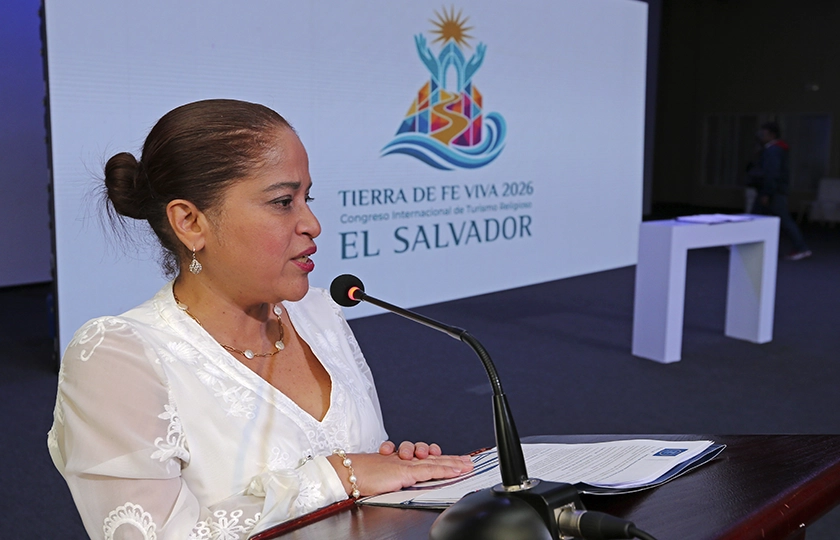
- The projection was put forward on Monday 19 October by Tourism Minister Morena Valdez during an interview on local television, in which she argued that more people every day are interested in getting to know the country.
According to the figures the minister cited, 3.5 million tourists arrived between January and September this year. At that pace, the final quarter will need to bring in around seven hundred thousand more travellers to reach the annual target, an objective that looks achievable given that the end of the year usually coincides with holidays, festivities and the arrival of Salvadorans living abroad and visitors from the region. Valdez did not, however, specify the economic income for those nine months.
The profile of visitors has evolved. Guatemala, Honduras and the United States remain the main countries of origin, but in recent months tourists from Argentina, Chile and Uruguay have joined them in force. The widening towards the Southern Cone is a sign that the destination’s international promotion is reaching more distant markets, which tend to mean longer stays and higher spending per trip.
On the economic front, the government estimates that foreign-currency income from tourism will grow by 10 per cent this year and reach 3.6 billion dollars. It is a significant figure for a small economy in which the sector has become an increasingly visible source of jobs and foreign currency. The estimate comes from information released recently by the authorities, who have not specified the exact date of its publication.
Beaches are the destination’s main draw. El Salvador’s coastline, much appreciated by surfers and located a short distance from the capital, allows visitors to combine sport, food and visits to coastal towns in a single getaway. That proximity between the airport, the city and the ocean is one of the competitive advantages operators highlight most.
Valdez insisted once again that security is the main reason for tourism growth. For years the country ranked among the most dangerous in the world because of gang violence, and that reputation weighed heavily on its image abroad. According to the minister, foreign visitors’ perception has changed markedly, and those who arrive now do so with the confidence that they can travel around tourist areas in peace.
That reputational turnaround, however, also brings challenges the sector cannot ignore. The rapid arrival of visitors demands expanding hotel capacity, improving staff training, caring for natural areas and ensuring that the benefits are shared among local communities and not only among the big operators. Those who follow Central American tourism agree that fast-growing destinations need to plan just as quickly so as not to damage what makes them attractive.
The Salvadoran case also illustrates a broader trend, one that tourism boards across the region are watching closely. While much of the world’s tourism markets grow at a moderate pace, some emerging destinations are achieving notable increases by relying on a clear narrative, on an improved external perception and on a specific product, such as surfing or nature tourism. For those countries, the challenge is to maintain the quality of the experience as volumes rise.
If the projection is confirmed, El Salvador would close 2026 with a new record for arrivals and with revenues that reinforce the weight of tourism in its economy. The coming months will show whether the final quarter sustains the necessary pace. Meanwhile, the authorities, who describe the surge as proof that the strategy is working, continue to bet on market diversification and on the image of a country that, in the minister’s words, is attracting more and more people eager to see it first-hand.
Source: TOURISM AND SOCIETY THINK TANK