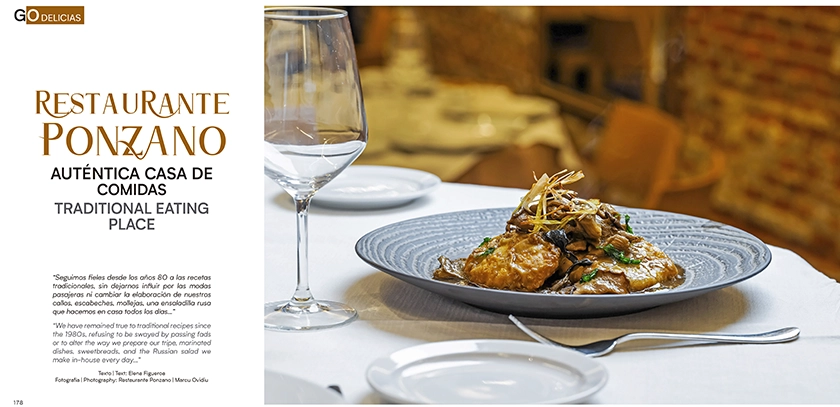
“We have remained true to traditional recipes since the 1980s, refusing to be swayed by passing fads or to alter the way we prepare our tripe, marinated dishes, sweetbreads, and the Russian salad we make in-house every day…”
There is no doubt that these words by Paco García, better known as “Paco Ponzano”, with which we begin this article, are part of the secret behind why his cuisine has been delighting so many generations for decades. At a time when the trend is towards the pursuit of excellence through fusion or constant innovation in the quest for new flavours or authentic dining experiences, it is particularly delightful to come across a traditional restaurant—an authentic eatery where the focus is on time-honoured flavours, those that bring back memories of days gone by, transforming a basic necessity such as eating into a sublime experience. And at Ponzano, they know exactly how to do this, achieving it through their in-depth knowledge of the production process and an exquisite selection of ingredients sourced from trusted suppliers.
From a grocery shop to a restaurant
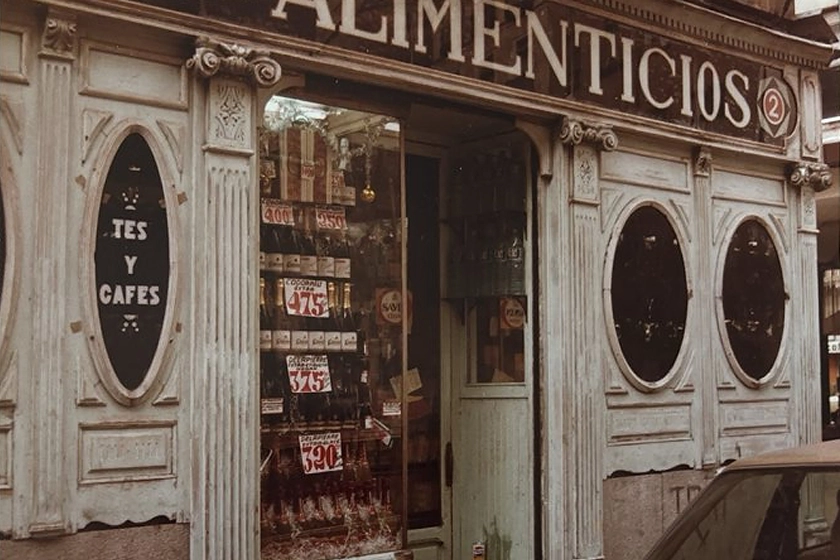
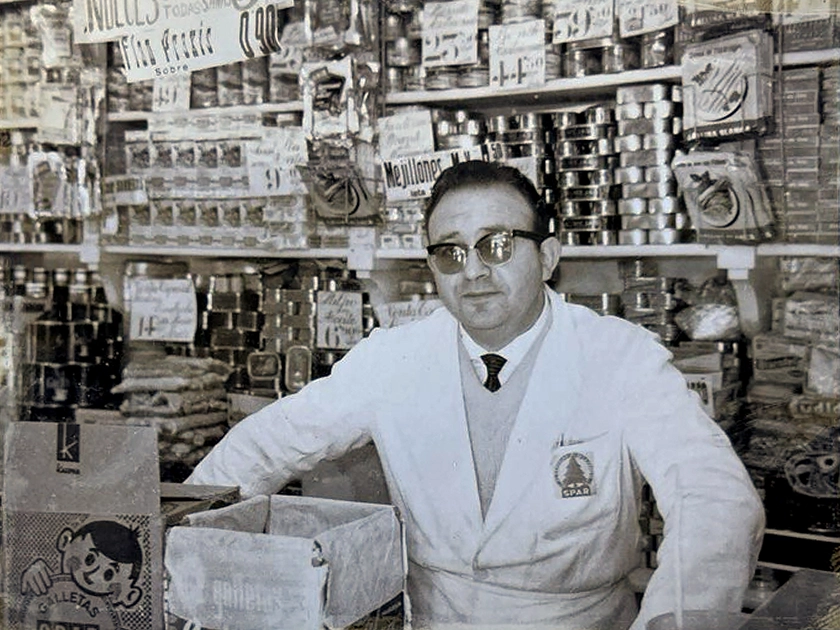
This year, Bar Restaurante Ponzano is celebrating a very special double anniversary: 40 years since his father transformed it from a grocery shop into a bar, delicatessen and ham shop, and 25 years since Paco García took over the business, turning it into one of Madrid’s most down-to-earth and beloved eateries. Behind all this machinery lies the quiet yet vital work of Melania Berdún, Paco’s partner in life and in his projects.
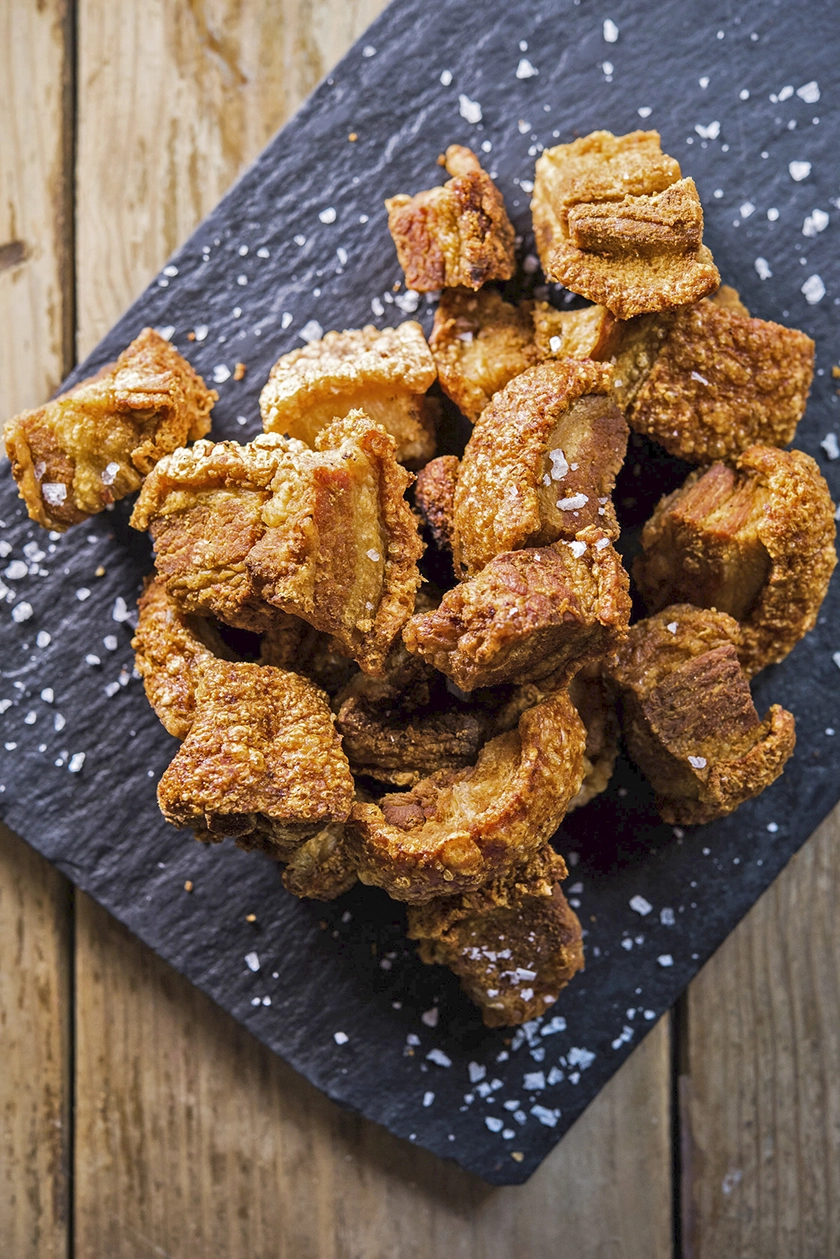
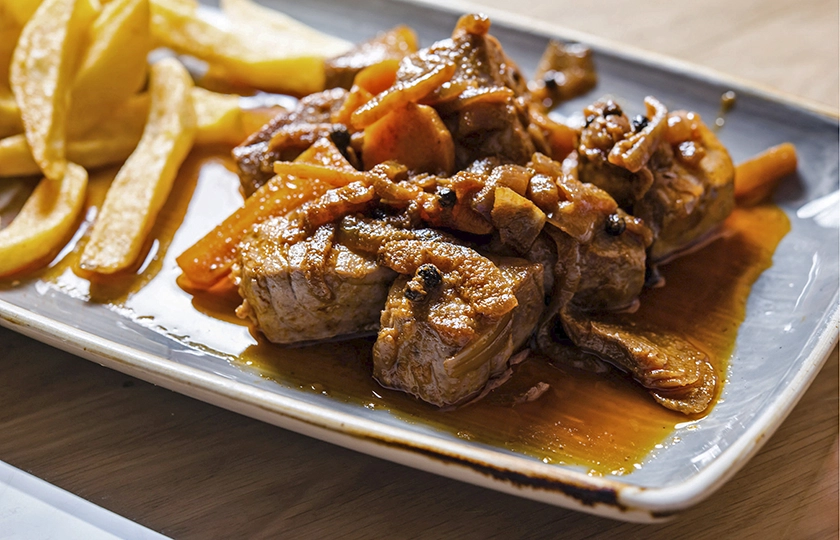
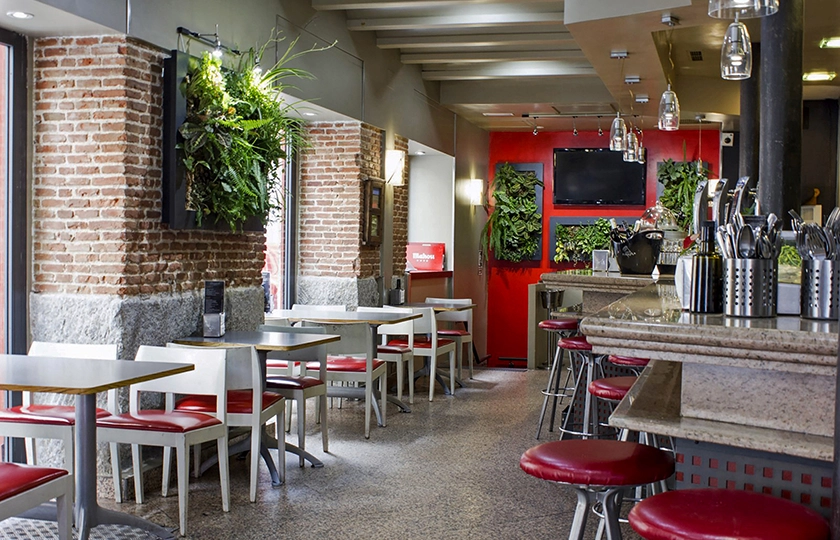
It all started with a canteen where local people were fed, without any fuss or grand speeches. Paco, a trained economist and financial auditor who had worked for leading firms such as Arthur Andersen and various banks, decided to leave his professional career behind to devote himself to the family business and a passion passed down through the generations: cooking. The business grew organically. They expanded the premises, renovated the adjoining premise and, in 2008, what we now know as Bar Restaurante Ponzano — affectionately known as Ponzano12 — was born: a simple, cosy restaurant with a dining room accessed via Calle Morejón, designed so that the focus is on what ends up on your plate. Because there are no tricks here. They don’t try to reinvent recipes; they stick to tradition. In Ponzano, as you’d expect from a proper eatery, you get exactly what you’d expect: traditional Spanish home cooking, the kind that’s always been there, the sort Paco sings about in his recommendations. Stews, marinated dishes, hearty meals and a classic recipe book that continues to grace dining tables year after year: potatoes ‘a la importancia’, castilian soup, marinated partridge, hen ‘en pepitoria’, ‘bocartes’ Bilbao-style, tripe or some crispy ‘torreznos’ are part of a repertoire that is not subject to passing fads and which, for many, can be a genuine journey back in time.
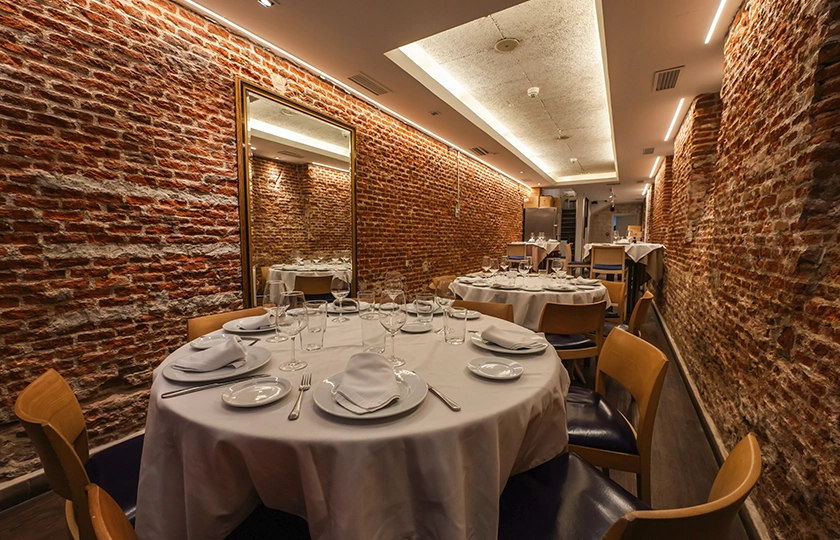
One of the restaurant’s main attractions is its daily set menu, which has become something of an institution in the neighbourhood. For eighteen euros, Ponzano offers an exceptional market-fresh dish that explains why the restaurant is packed every lunchtime, with classic dishes such as ‘fabada asturiana’, galician broth, pork shoulder with turnip greens, a tribute to the Galician chef who was with his grandfather when they first started out. Particularly worth mentioning is the ‘cocido madrileño’ served on Wednesdays, a veritable ritual with a loyal following who book a table week after week, proving that traditional cuisine—well prepared and reasonably priced—still has many fans in Madrid, especially in a neighbourhood as authentic as Chamberí. In addition, it is available on request for groups of ten people any day of the week for twenty-eight euros, although in winter it is now common for it to be fully booked at weekends.
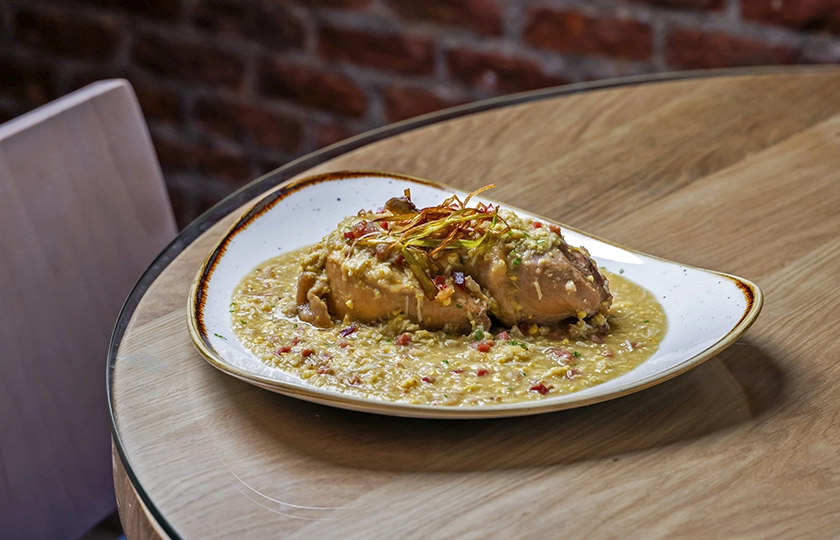
The menu, created using top-quality ingredients sourced from the finest suppliers, allows customers to decide for themselves how much they wish to spend: from spicy potatoes or a perfectly cooked omelette to the finest seasonal mushrooms, excellent fish from the Pesca XXI fish market, birds by Higinio Gómez and meats from Urbano de Frutos, Cárnicas LyO, or El Encinar de Humienta, such as ribeye steaks from young pink-fleshed beef, Simmental, Rubia Gallega or Casina. When it comes to bread, the Viena La Baguette and Cientotreinta are the perfect accompaniment. Like the house wine from the Fernández de Piérola Winery; or the butter from the Las Nieves Dairy, the same sort that used to be sold in the grocery shop.
Bluefin Tuna Festival – a true classic
Every May, to mark the start of the season, Paco García revives one of his most iconic events: a series of events that evolve each year whilst remaining true to their roots, paying tribute to tuna and those who have mastered the art of preparing it. In this thirteenth edition, tradition takes centre stage, innovation adds to the mix, and the product and its dishes are always the stars of the show.
Ponzano proves that you don’t have to constantly reinvent yourself to remain relevant. Cook well, be honest… and continue to treat every dish as if it were your first. And that is exactly what it is doing once again with Barbate’s bluefin tuna, to which it pays tribute by holding its now traditional Bluefin Tuna Festival.
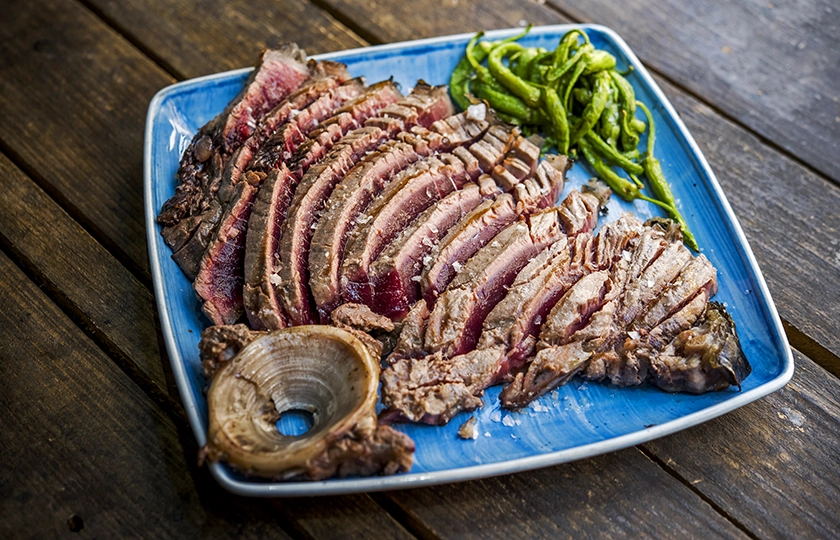
From 1 May until 28 June, Paco is back doing what he does best: sourcing the finest ingredients and preparing them with care and precision. In this tribute to the king of the seas, he presents the most succulent recipes, made using cuts from every part of the tuna, from head to tail.
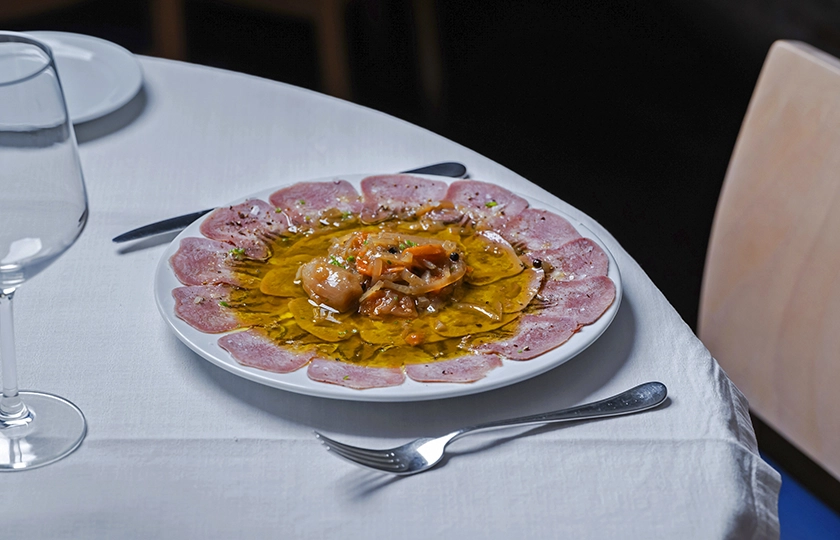
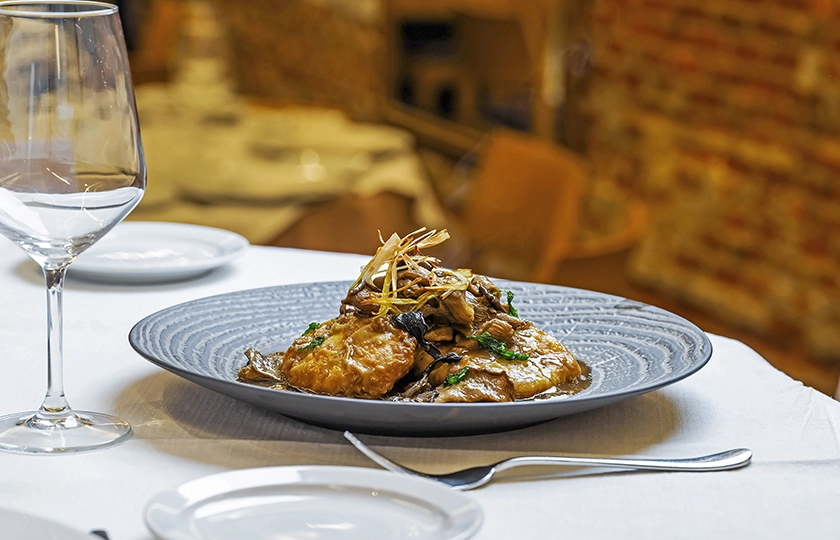
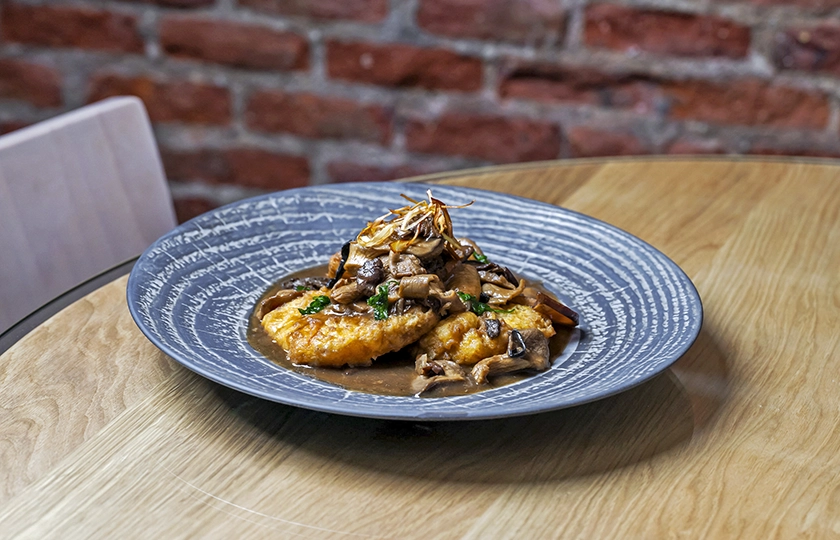
The main highlight of this year’s event is ‘Tuna stews’, a dish that draws on traditional cuisine and demonstrates the versatility of this product beyond the classic cuts. The new dish is “Tuna Tail”, stewed in the style of oxtail – a dish that calls for plenty of bread and which adapts the traditional beef recipe to the world of tuna, priced at twenty-eight euros. Another lollipop dish that’s sure to surprise is the “Braised bluefin tuna cheeks”, prepared using a meat stock made from roasted bones, vegetables and a dash of Oloroso sherry, which is reduced until it reaches the intensity of a demi-glace before the pieces are cooked in it. Another new feature is the way the “Tuna Steak” is served. Raw, served as a carpaccio and comprising three cuts—‘cargamento’, ‘tarantelo’ and ‘ventresca’—in honour of the restaurant La Fresquita de Perea in Zahara de los Atunes. This year, he is serving a carpaccio and a ‘semi-mojama’, which are perfect as appetisers.
Authentic flavours and excellent produce perfectly encapsulate the restaurant’s guiding principle, a value that Paco sums up in a single sentence: “since this restaurant first opened, the philosophy has always been the same”.
This year’s tuna delicacies
- ‘Salmorejo’ with marinated bluefin tuna
- Bluefin tuna belly carpaccio
- ‘Semi-mojama’ de atún rojo
- Bluefin tuna crumbs with Picual olive oil
- Tuna tartare with guacamole
- Marinated bluefin tuna
- Barbate-style bluefin tuna with onions
- Tasting grilled with three cuts: tenderloin, sirloin and belly
- Bluefin tuna parpatana cooked in our Josper oven
- Grilled “ventresca”
- ‘Morrillo’ of bluefin tuna cooked in our Josper oven —subject to availability—
- Tuna tail stewed in the style of oxtail
- Braised bluefin tuna cheeks
- New Bluefin Tuna Steak — tail, belly and ventresca — 90/kg (servings from 300 g)
- Grilled tuna loin with homemade tomato sauce, free-range egg and straw potatoes (a tribute to the Antonio restaurant in Zahara de los Atunes).