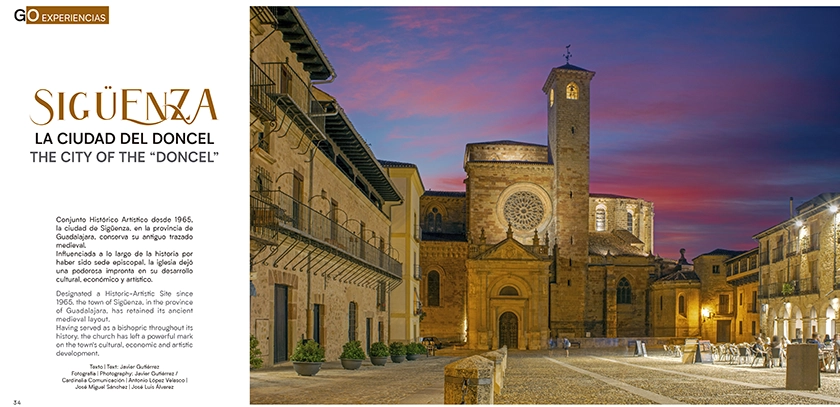
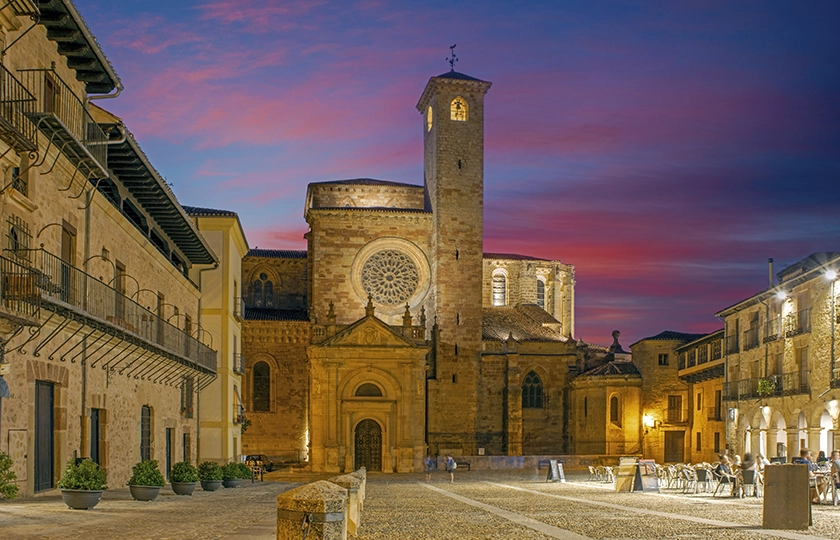
Designated a Historic-Artistic Site since 1965, the town of Sigüenza, in the province of Guadalajara, has retained its ancient medieval layout. Having served as a bishop’s seat throughout history, the church left a powerful mark on the town’s cultural, economic and artistic development.
Situated in the upper valley of the River Henares, Sigüenza was described by Pliny the Elder as an important Celtiberian city. Inhabited by the Arawaks, Segontia – as it was known to them – was captured by the Romans following the fall of Numancia (Soria).
Episcopal see of the Catholic Church in Visigothic Hispania, on 22 January 1124 Sigüenza was recaptured from the Muslims by Bernard of Agen, a bishop of Aquitanian origin who had been in charge of his diocese since 1109. It was following this historic event that Bernardo de Agén began construction of the cathedral, which was to continue until its completion in the 16th century.
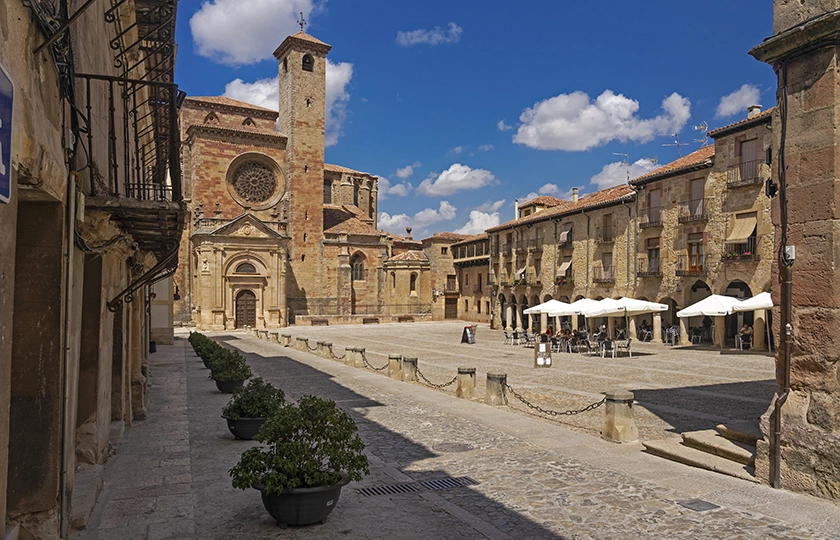
It was in the second half of the 15th century that Sigüenza reached the height of its splendour. Whilst Cardinal Mendoza was bishop, the colonnaded square adjacent to the cathedral – the first Renaissance-style main square in Castile – was built, as was the city’s first aqueduct.
Today, Sigüenza is a beautiful town, designated a Historic-Artistic Site in 2022, which has retained all its medieval charm.
Cathedral of Santa María in Sigüenza
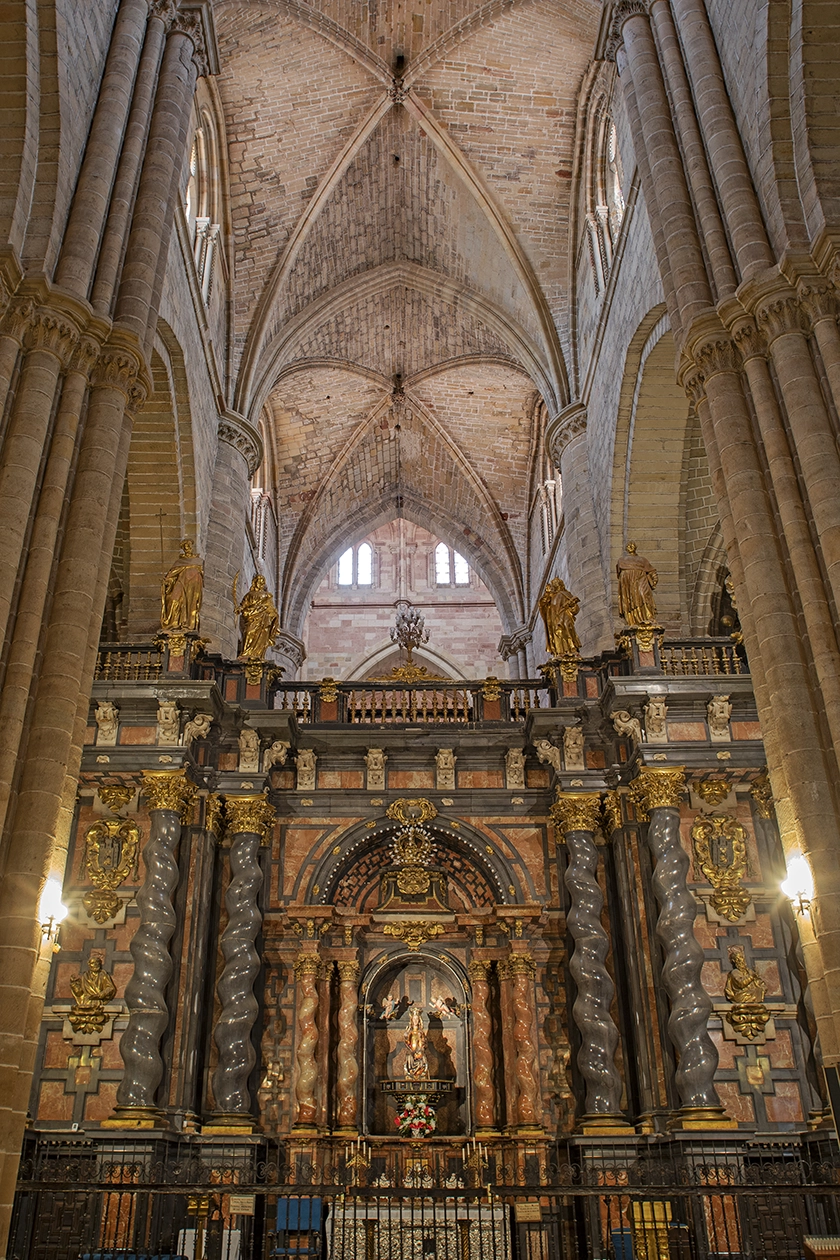
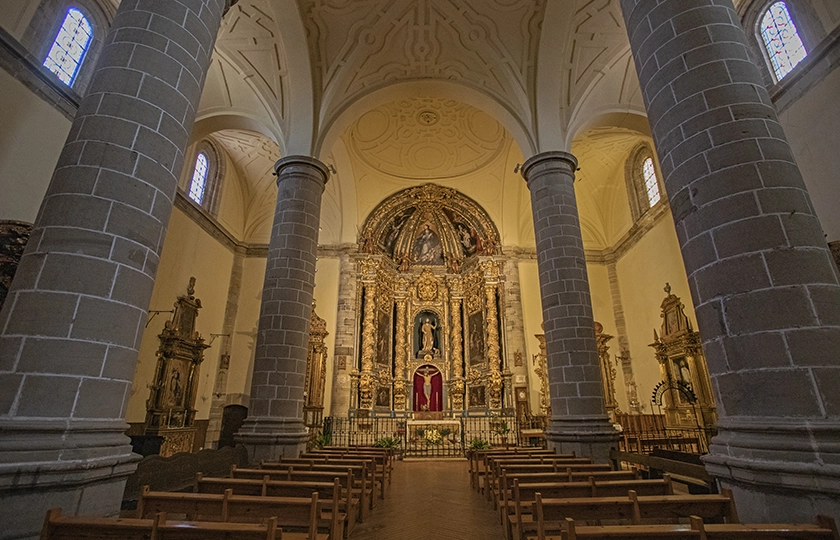
Flanked by two large towers that give it the appearance of a fortress, construction of the cathedral began in the 12th century in the Romanesque-Cistercian style; it eventually took on a Gothic style, whilst its interior retains numerous Renaissance features. The cloister, the main sacristy and the ambulatory, as well as artistic works of great value and in various styles, enriched the church between the 15th and 19th centuries.
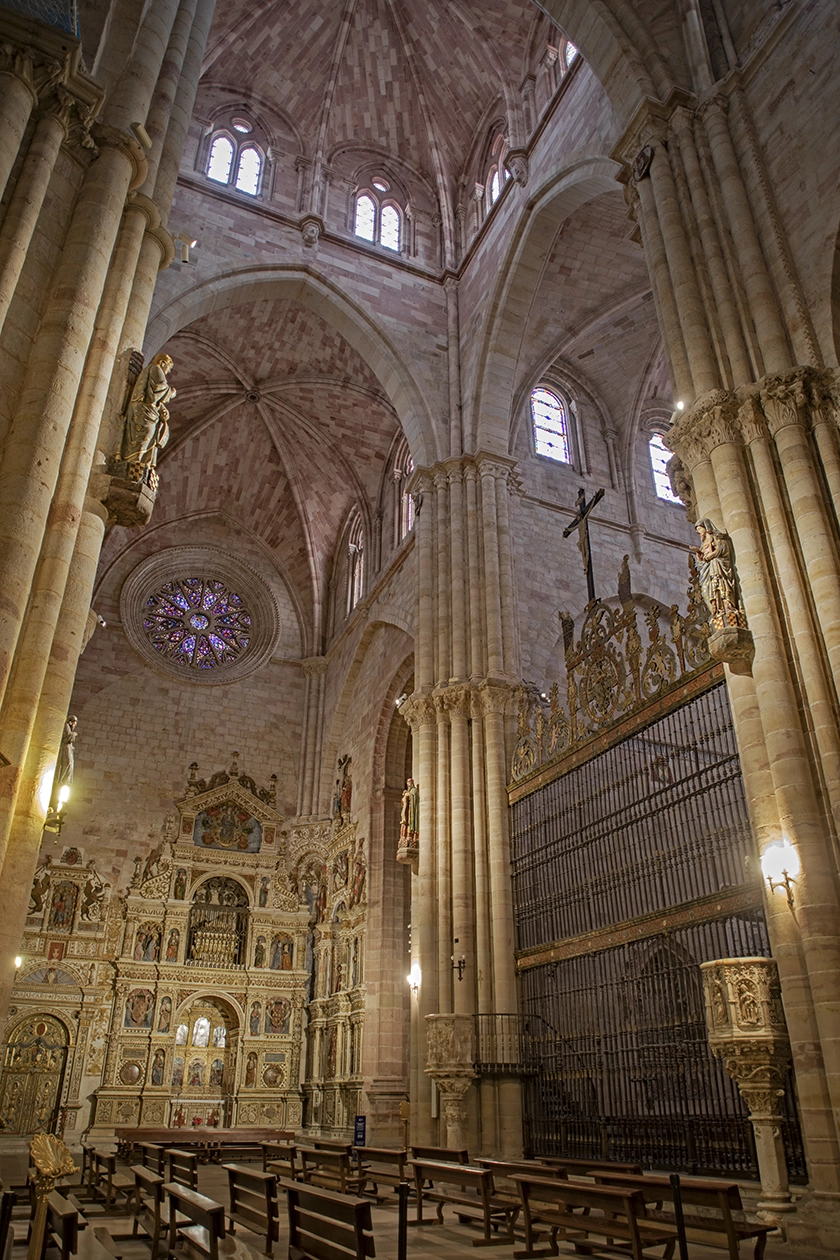
The chancel, with its high altar, features the funerary monuments of several bishops of Seguntina, a large polychrome carved altarpiece, a splendid grille enclosing the chancel, and alabaster pulpits – one Gothic and the other Renaissance. Directly opposite is the walnut choir, notable for the geometric and heraldic decoration on the seats, the ornate 16th-century Renaissance balustrade and the monumental 17th-century grille. The Chapel of the Arce family, also known as the ‘Chapel of St John and St Catherine’, houses the Gothic funerary sculpture of the famous young nobleman from Sigüenza, Martín Vázquez de Arce, a knight of the Order of Santiago who died heroically at the age of twenty-five in the War of Granada. In the Main Sacristy or ‘Sacristy of the Heads’, the vault is decorated with coffered panels featuring more than three hundred large heads and thousands of smaller ones; together with the walnut panelling, these form the highlight of this exceptional space, built in the mid-16th century. The magnificent Plateresque altarpiece of Santa Librada, an exceptional work carved from polychrome stone, has housed the relics of Santa Librada – who was beheaded in Sainte-Livrade-sur-Lot – since the 16th century. Bernardo de Agén was responsible for bringing them to Sigüenza, and it was on this basis that the cathedral was built. Finally, in the Chapel of the Annunciation, Gothic, early Renaissance and Mudejar styles come together to create a space of great artistic value.
The cloister skilfully combines Gothic vaults and windows with Renaissance façades, and some of its rooms house the Cathedral Museum. Two of these rooms house the Flemish Tapestry Museum, a collection of sixteen tapestries designed by the French classical painter Charles Poerson and woven in the Brussels workshops of Jean Le Clerc and Daniel II Eggermans. In another of the rooms, the Chapel of Our Lady of the Conception, one of the cathedral’s artistic treasures is housed: El Greco’s painting of the Annunciation, a 17th-century canvas.
Finally, the medieval necropolis where those responsible for the early stages of the church’s construction in the 12th and 13th centuries were buried. Visits are only permitted when accompanied by guides from the Diocesan Museum of Ancient Art.
Medieval Sigüenza
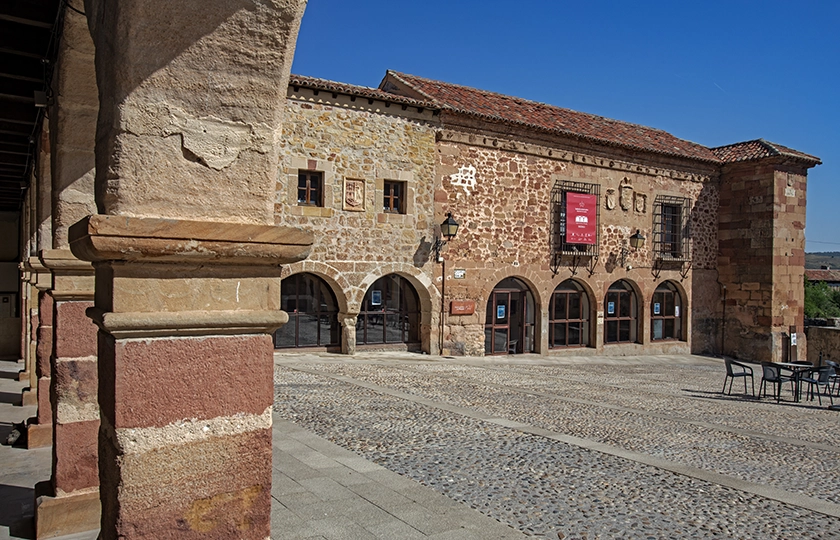
We begin our tour of the historic centre at the Plaza Mayor, which, although built in the late 15th century, is the perfect place to start this tour thanks to its location. This building, which is the most representative example of the Renaissance in Sigüenza, originally featured wooden arcades which were replaced by stone arcades in the 16th century. Later on, the Renaissance palace for the cathedral deans – now the Town Hall – and the Casa del Mirador were built; the latter is adorned with wrought-iron balconies and offers a vantage point from which to enjoy the various events held in the square, including bullfights.
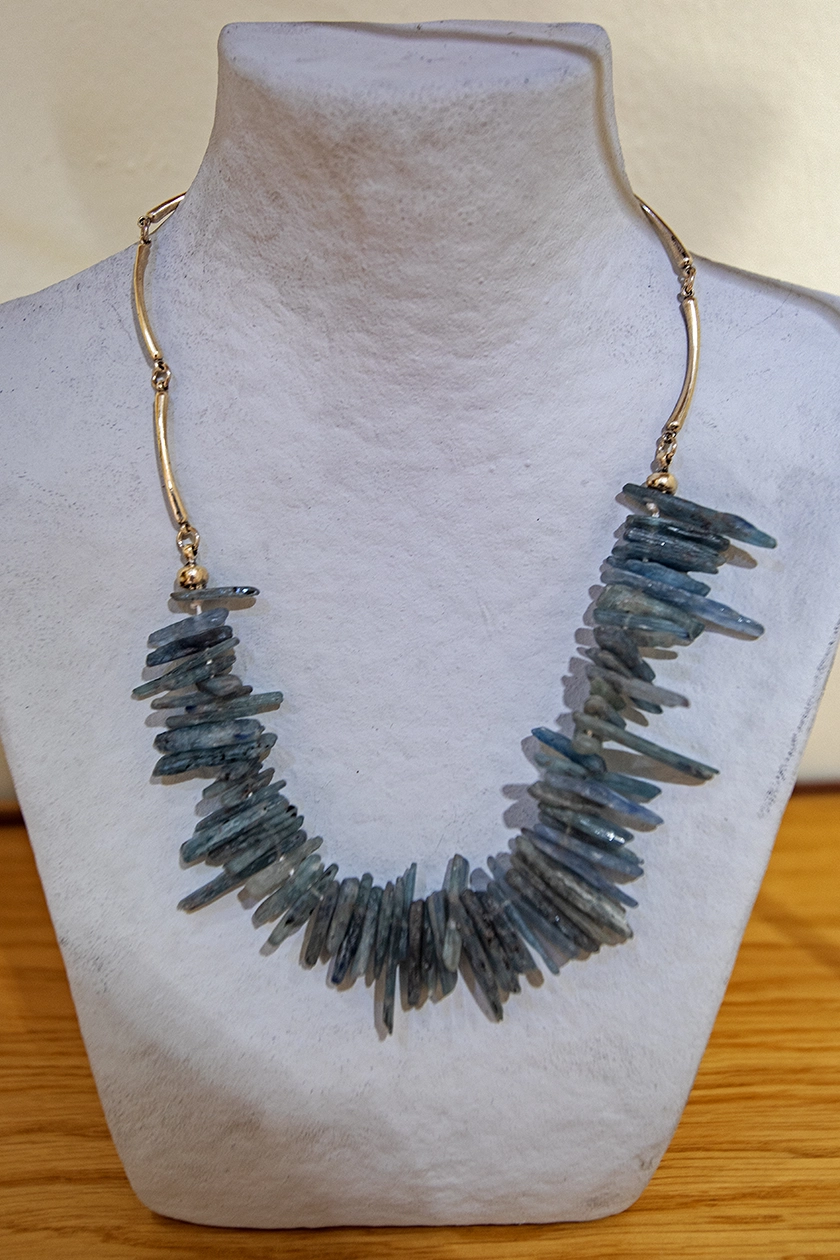
On one of the ground floors of the Casa del Mirador, we find Gustavo Delgado Joyas, a contemporary jewellery studio and workshop focused on creativity, which honours the craft with a particular emphasis on detail and finish, using fine materials such as gold and silver, natural gemstones, fired enamels, porcelain, fine woods such as ebony, and plastics and resins to create unique, high-quality pieces of jewellery.
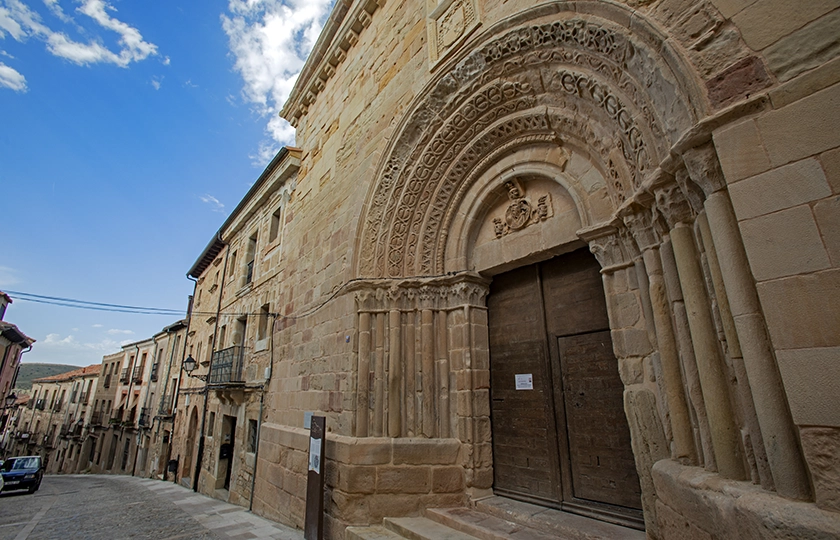
We continue along Mayor Street, which will take us to the castle. On the way to the fortress, we stopped to admire the façade of the Church of Santiago, which dates back to the mid-12th century. Having lain in ruins since the end of the Civil War, a comprehensive restoration is currently underway with the aim of soon housing the Romanesque Interpretation Centre for the Province of Guadalajara.
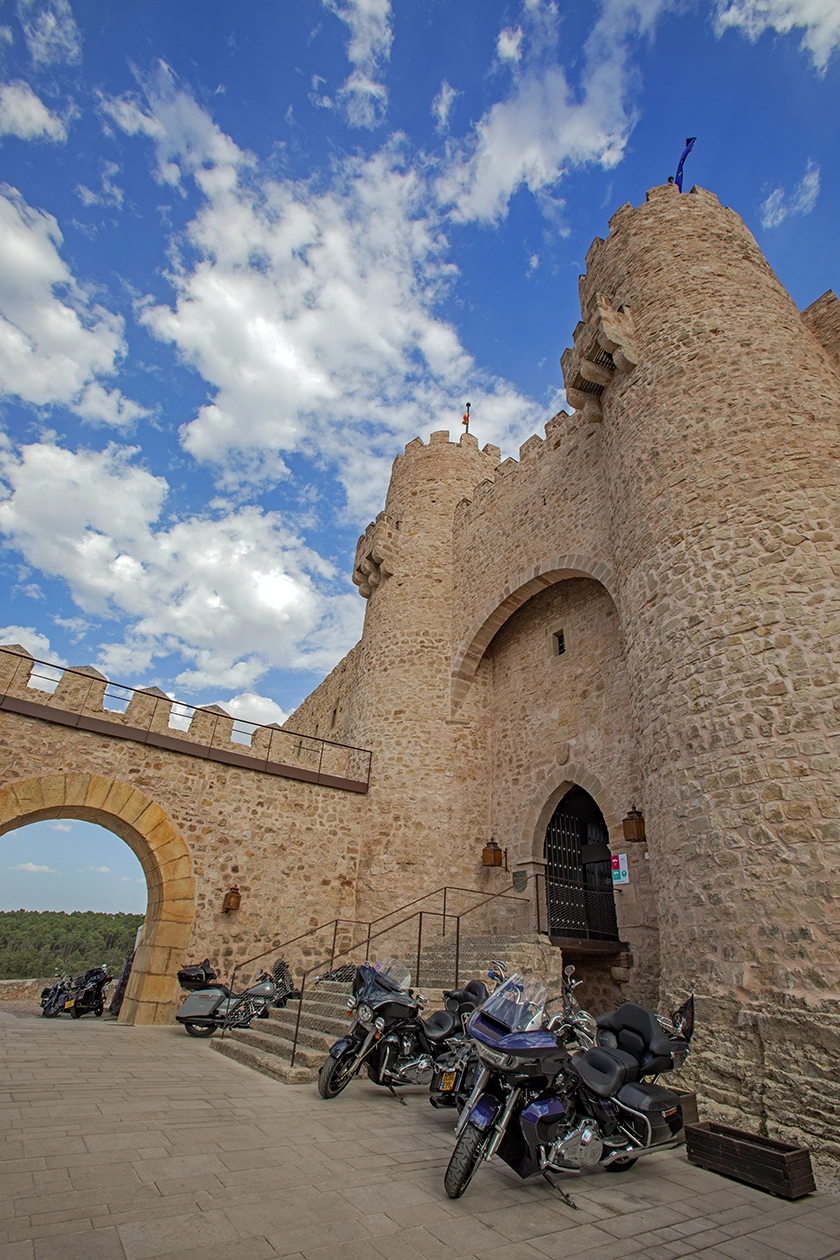
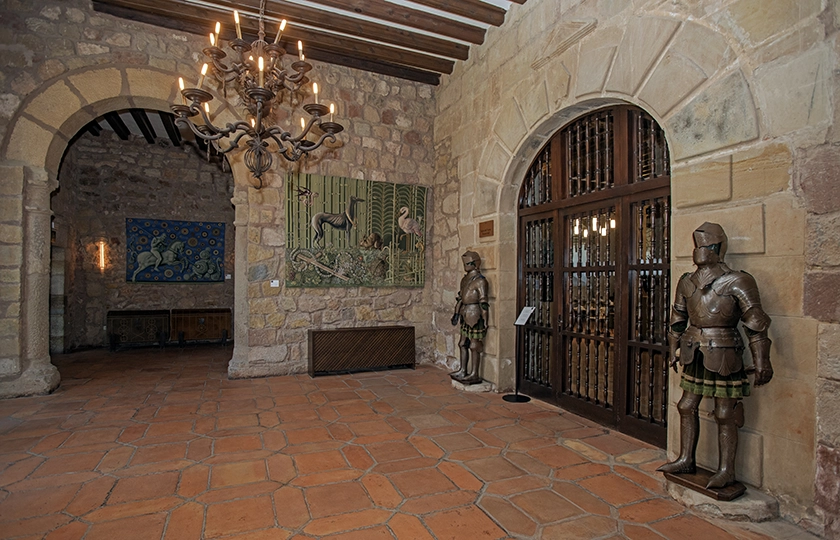
We arrived at the castle, built on the site of an ancient Celtiberian fortification, which later became a Roman fort, and subsequently a Visigothic watchtower and an Islamic citadel. The fortress served as the place of confinement for Doña Blanca de Borbón, wife of Pedro I the Cruel, King of Castile; it was the residence of the bishops of Segovia until the 18th century; it suffered greatly during the Wars of Independence and the Carlist Wars, which caused serious damage; later, it served as a refuge and barracks, and since the 1970s – after lying in ruins for decades following the Civil War – it has been a Parador hotel.
As we wander through the historic centre, we come across remains of the city’s two walled enclosures. Of the first, dating from the 12th and 13th centuries, the Puerta del Hierro, the Puerta del Arquillo de San Juan and the Puerta del Sol have been preserved. The Gothic city walls include the Portal Mayor, the Cubo del Peso, the city walls that surrounded the cathedral, and the Puerta de la Cañadilla or Puerta del Toril.
Narrow, winding streets, known locally as ‘travesañas’, lead us to the Church of San Vicente, dedicated to the city’s patron saint; to the Plazuela del Doncel, where the Casa del Doncel—the residence of the Arce family—is situated; and to the Plazuela de la Cárcel, dominated by Sigüenza’s former Town Hall.
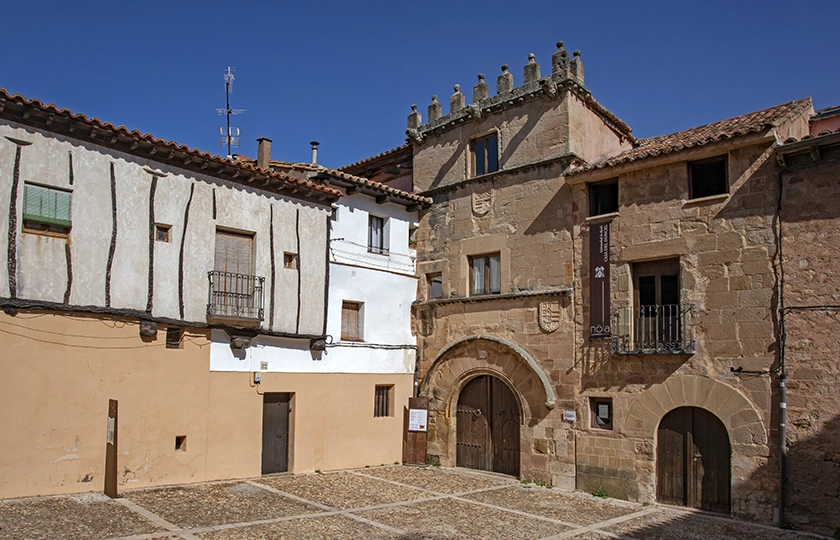
Sigüenza Renaissance, Baroque, Enlightenment and Neoclassical
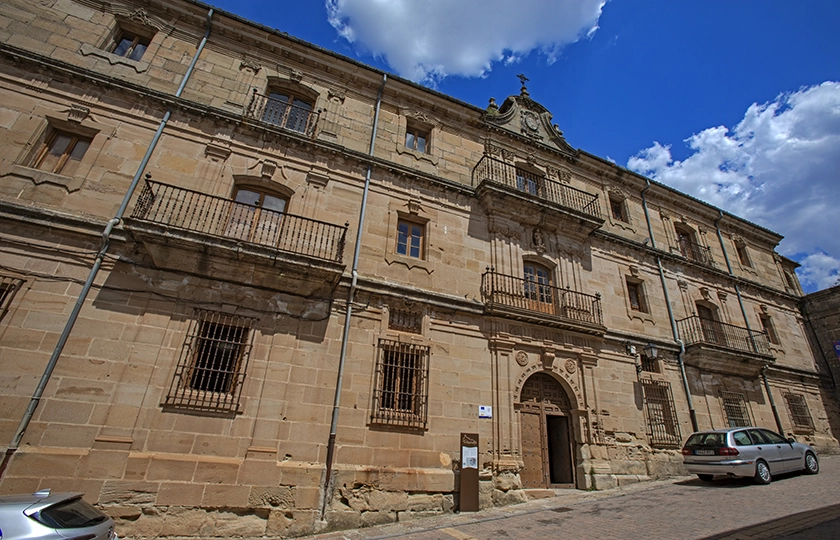
When Cardinal Bernardino López de Carvajal succeeded Pedro González de Mendoza as bishop, he was instructed by the Chapter to establish a new neighbourhood. And so the first Renaissance expansion of a city in Spain came into being. The entrance to the palace of Fadrique de Portugal and the Renaissance palace, which now houses the Diocesan Museum of Ancient Art, have been preserved from that period.
In the 17th century, a new neighbourhood emerged in the town of Sigüenza: the Gothic Quarter. New buildings were erected: the University building, the Bishop’s Palace, the Jerónimos Monastery and its church, the hospice and the Conciliar Seminary.
The enlightened neighbourhood of San Roque is characterised by its straight, wide streets and uniform houses, a true reflection of the balance of that era. The Eight Corners Square is a unique square, and notable buildings include the Palacio de los Infantes, the convent and church of San Francisco, the chapel of the Venerable Third Order and the chapel of San Roque.
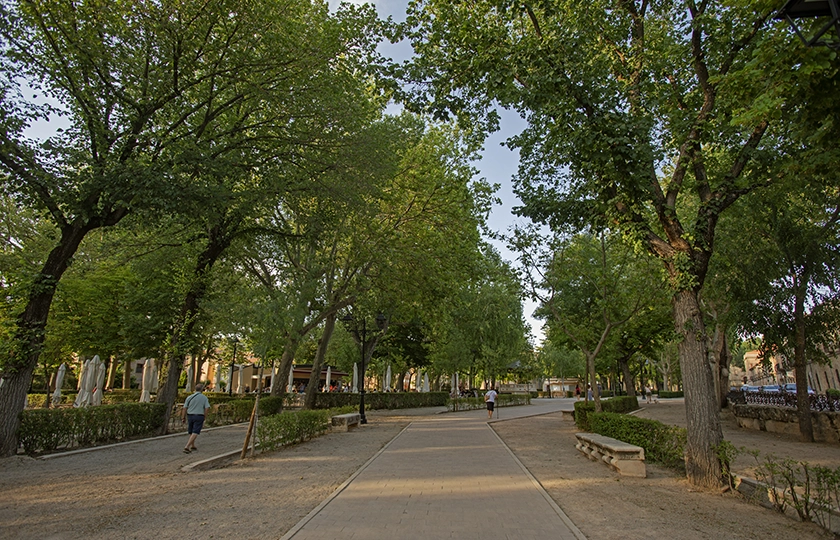
Next to the San Roque neighbourhood lies the Neoclassical Alameda, one of the city’s green spaces. Romantic and melancholic, this peaceful spot has been visited throughout its history by illustrious figures such as Benito Pérez Galdós, Miguel de Unamuno and Federico García Lorca, amongst many others. The first kiosks selling soft drinks and other beverages appeared at the beginning of the 20th century. The chapel of Nuestra Señora de la Huerta, built in 1512, and the Renaissance chapel of El Humilladero, dating from the 16th century, lend the Alameda a monumental and artistic air.
The cuisine of Sigüenza and Fino Seguntino
Quality, tradition and the skilled hands of those who prepare it are the hallmarks of Seguntina cuisine. The succulent wood-fired roasts of lamb and kid are famous; the Castilian soup and “migas”; and the tasty game dishes, which, when in season, are enhanced with delicious local mushrooms. and the delicious game dishes, which, when in season, are enhanced by the region’s exceptional mushrooms. And the delicious desserts made with honey, the yolks, soaked sponge cakes and convent sweets, such as the truffles made by the Poor Clares.
The “tapas” are also an important part of Sigüenza’s culinary scene. “Perdigachos” and “torreznos” may be the most popular, but it is the pichos and medieval “tapas” that take centre stage every April.
Sigüenza is also home to two Michelin-starred restaurants, El Doncel and Molino de Alcuneza, as well as two Repsol Suns awarded to El Doncel and a further Repsol Sun awarded to the chef at the Nöla restaurant.
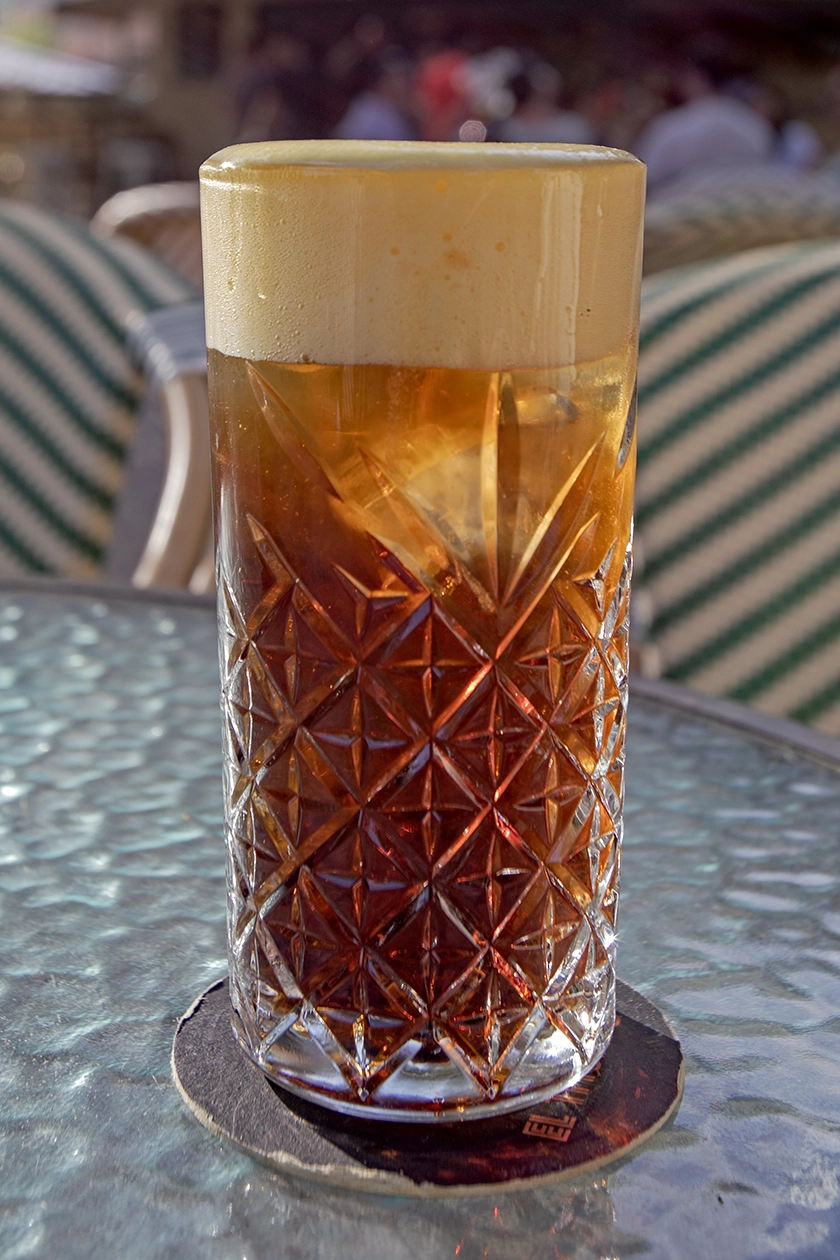
The Fino Seguntino came about by chance. We have to go back to a hot afternoon in August 1947, when the novice bullfighter Paco Berlanga, nicknamed ‘El Fino’, walked into Casa Anguita and asked for a soft drink to quench his thirst. Boni, the owner, mixed together at random, in a glass filled with ice, a combination of eight parts soft drink – using the local brand known as ‘Segontia’ – and one part red vermouth, finishing it off with a splash of beer foam. This recipe has evolved and can now be enjoyed in its 3.0 version, in which the beer foam has been replaced by orange and passion fruit foam, giving it a hint of tartness and an exotic flavour.
Before leaving Sigüenza, it’s well worth popping over to the Mirador del Cid to enjoy a different, panoramic view of the town’s historic and heritage sites.
Barranco del Río Dulce Nature Park
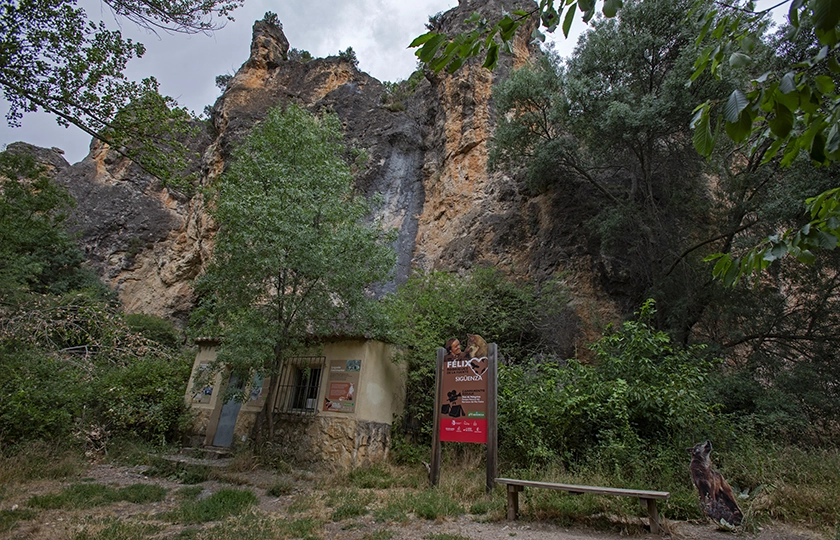
One of the entrances to the nature reserve is in Pelegrina. A vast gorge carved into a karst plateau dating from the Jurassic period is the best way to describe the Barranco del Río Dulce Natural Park. Forests of holm oak, gall oak, juniper, poplar, aspen, willow and ash; colonies of griffon vultures, golden eagles, peregrine falcons, red-billed choughs and herons, mallards, kingfishers and grey wagtails along the riverbanks all contribute to the rich and varied flora and fauna of this natural area. There are several routes starting from Pelegrina, but the most highly recommended is the circular route that runs along the lower part of the ravine, beside the river, which you sometimes have to wade across.
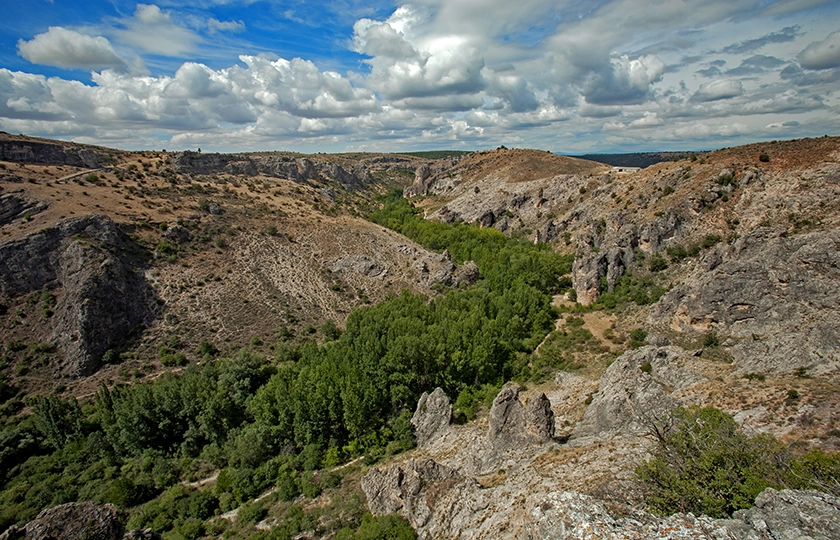
The Barranco del Río Dulce Natural Park became famous in the 1970s and 1980s when the naturalist and broadcaster Félix Rodríguez de la Fuente chose it as the location for filming episodes of the documentary “The Man and the Earth”. Some of the most memorable scenes from this documentary series were filmed here: an eagle carrying a goat, and some of the best footage of Iberian wolves. Félix Rodríguez de la Fuente died in a plane crash in Alaska in 1980, and the viewpoint bearing his name was built on the Hoz del Río Dulce in his honour.
Villages in the municipality and Atienza
Unforgettable landscapes, a unique heritage, salt flats, castles, city walls… this is what awaits us when we visit the districts of Sigüenza.
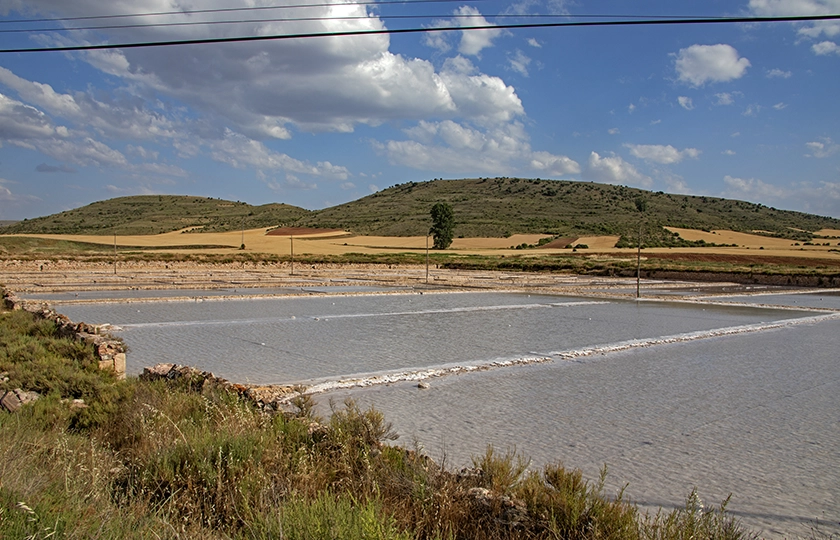
In Carabias, the 13th-century Church of El Salvador stands out as a jewel of rural Romanesque architecture in this region. Imón is notable for its salt flats, although salt extraction dates back to Roman times, these were built in the 10th century, and for its Renaissance church with a 16th-century altarpiece.
The walled enclosure with its four gates, the castle, the Church of St John the Baptist, the pillory and the Blacksmithing Museum capture our full attention in Palazuelos. Pelegrina is dominated by its castle, built on a large rock and now in ruins, and, in the village itself, the Romanesque church dedicated to the Holy Trinity, with its polychrome Mudejar carvings and the altarpiece in its chancel. In the skyline of Ribas de Santiuste, the imposing 12th-century fortress takes centre stage, whilst within the village itself, the parish church of La Asunción is the main attraction.
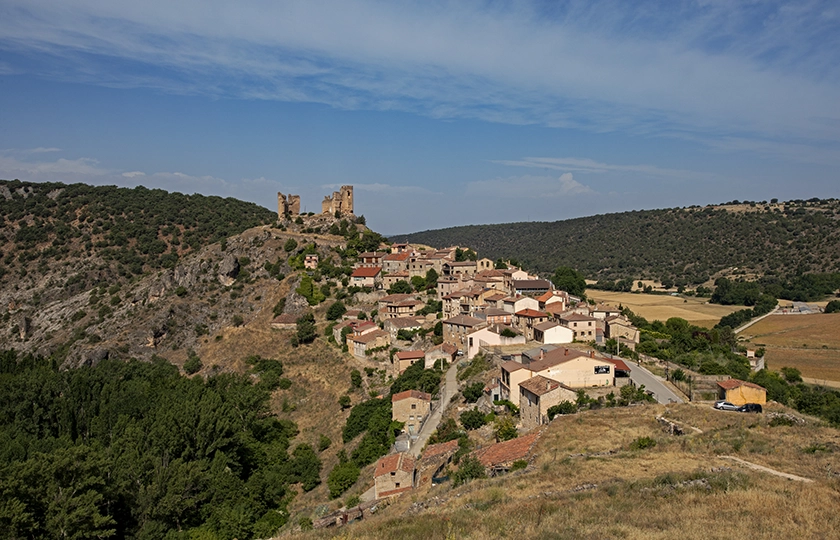
Atienza is not part of the municipality of Sigüenza, but given its cultural and historical significance, it is well worth a visit. This town enjoyed its heyday in the Middle Ages, and the monuments that have survived from that historical period include the castle, the Romanesque churches, the remains of the city walls and gates, not to mention the beautiful Plaza del Trigo and the museums of the Holy Trinity and San Gil.