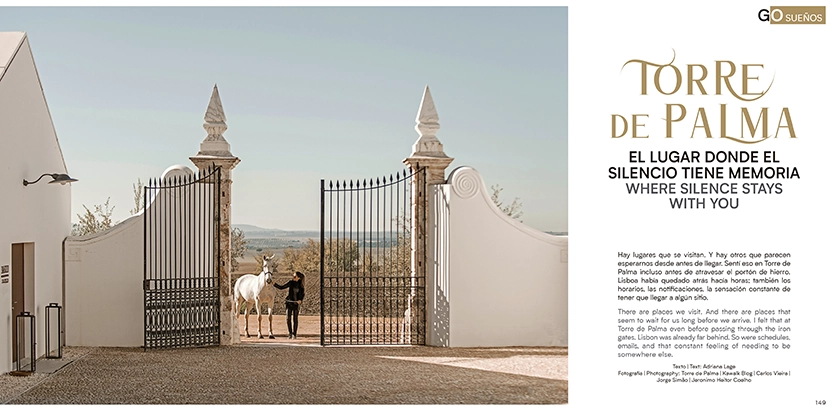
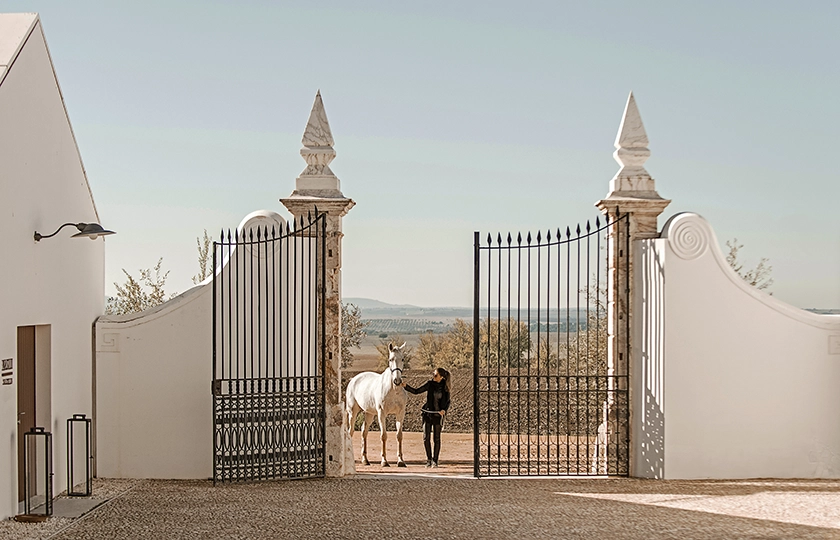
There are places we visit. And there are places that seem to wait for us long before we arrive. I felt that at Torre de Palma even before passing through the iron gates. Lisbon was already far behind. So were schedules, emails, and that constant feeling of needing to be somewhere else.
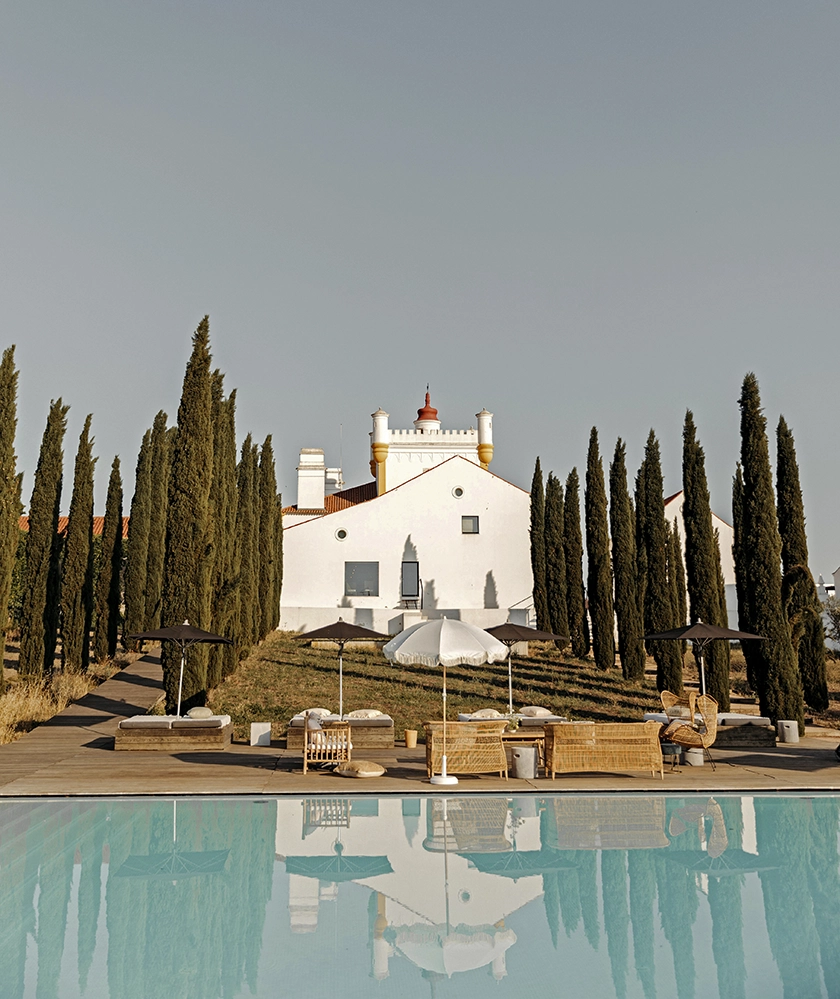
The road had become quieter, narrower, as though the Alentejo itself were slowly removing the noise I had carried with me. Then he appeared. White walls against the dry landscape. The tower rising into an immense sky. Rows of cypress trees standing still in the heat. Vineyards stretching so far they dissolved into light. Torre de Palma does not feel like a hotel when you arrive. It feels like an exhale.
There is something deeply emotional about the Alentejo. Its beauty is not immediate or dramatic. It arrives slowly. In the smell of warm earth at the end of the afternoon. In the sound of wind moving through olive trees. In the silence between things.
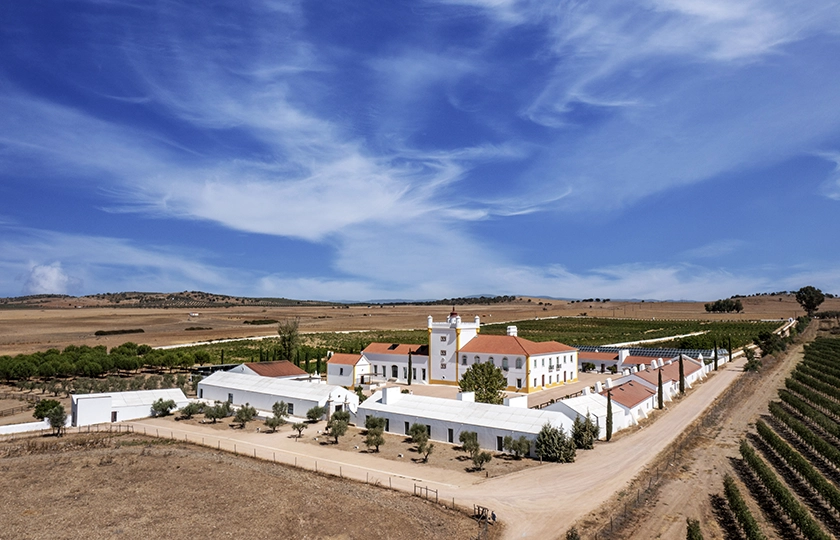
You begin to slow down without realizing it
The estate carries centuries of history. Parts of it date back to Roman and medieval times, connected to the memory of Pedro Afonso, the illegitimate son of King Dinis. Much later, the property fell into ruin. And it was precisely in that state that Ana Isabel Rebelo discovered it while looking for a country home for her family. There is something beautiful about that idea: finding a ruined place and immediately seeing life inside it.
Today, Torre de Palma still holds that feeling of rediscovered memory. It never tries to erase the past. It lives alongside it.
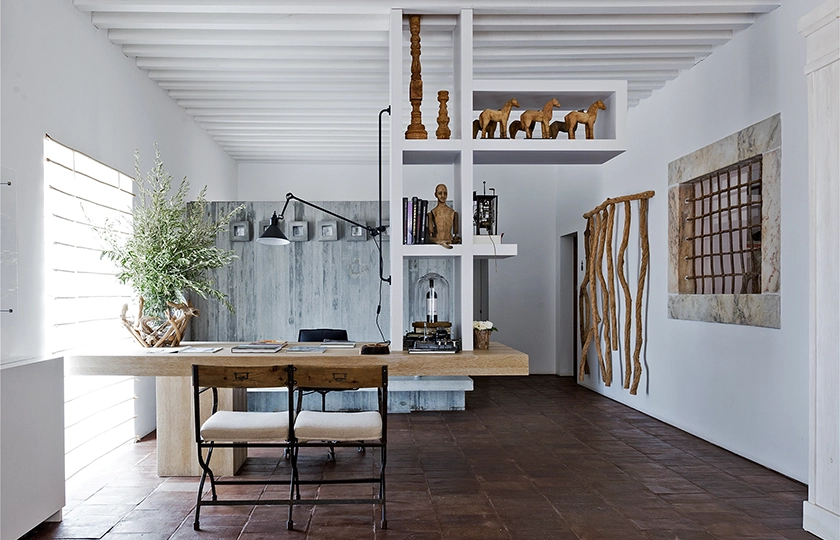
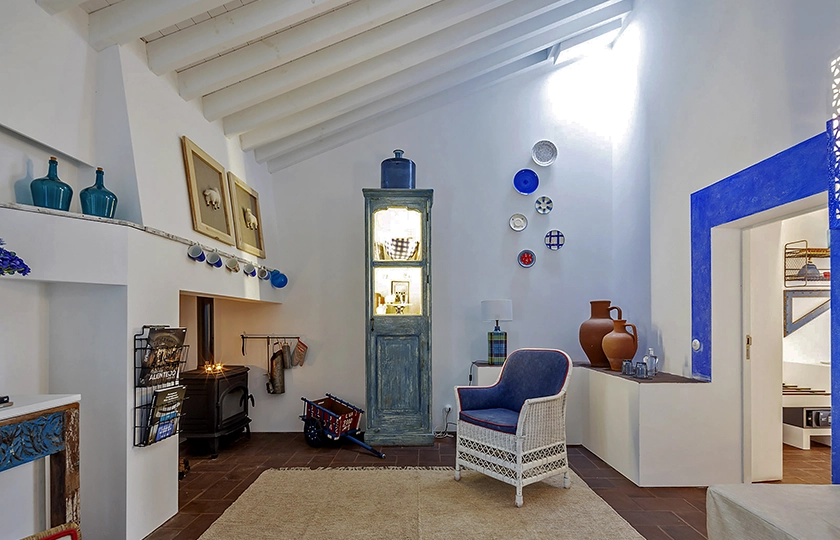
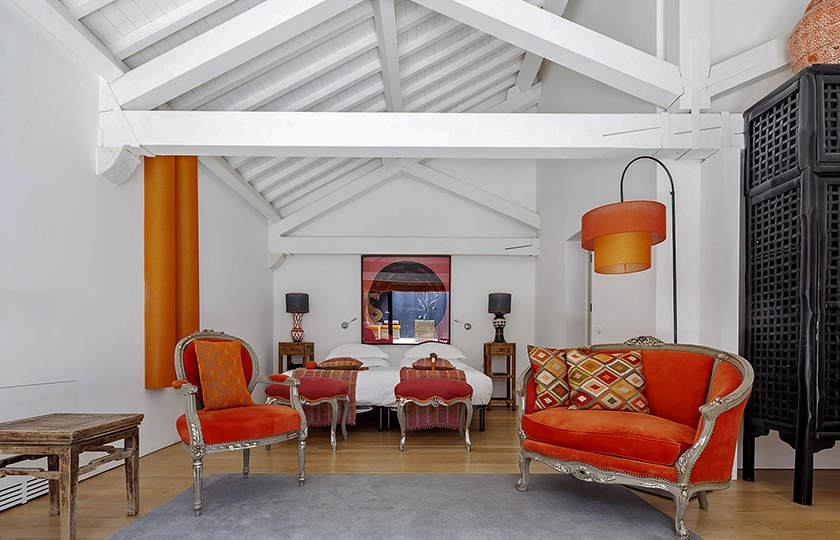
The whitewashed walls catch the Alentejo light with an almost impossible softness. Pale pink marble from Estremoz appears quietly in certain corners. There is old wood, terracotta floors, linen fabrics, restored family furniture, antique portraits, and contemporary details that never feel forced or overly designed.
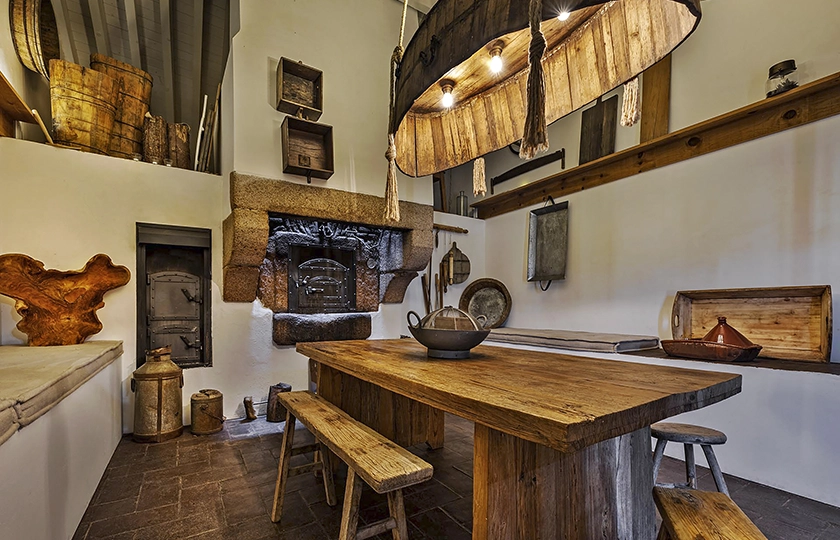
Nothing asks for attention. Nothing needs to prove itself
My room held the kind of silence that barely exists anymore. Not an empty silence, but one filled with small presences: the breeze slipping through the windows, the distant sound of horses in the stables, old wooden floors responding gently to the heat of the day.
I remember opening the windows early the next morning and breathing in cold air mixed with the scent of damp soil, vines, and fresh herbs. Outside, mist still rested over the fields. The cows stood perfectly still among shades of grey and gold while the first light slowly dissolved the landscape. The Alentejo has slow light.
After breakfast, I wandered through the estate with no real destination. Perhaps that is the hardest thing to explain about Torre de Palma: here, you return to doing things without purpose. Walking. Sitting. Looking. Staying still.
The vineyards surround the hotel like a natural extension of the house itself. Beyond them come olive groves, cork oaks, and open plains where storks build enormous nests above old ruins and utility poles. Lusitano horses wait quietly in the stables, calm and attentive, as though they too understand the rhythm of the place.
Someone mentioned a Portuguese word to me: vagar. Not exactly wandering. More a way of letting yourself move slowly through time. That is Torre de Palma.
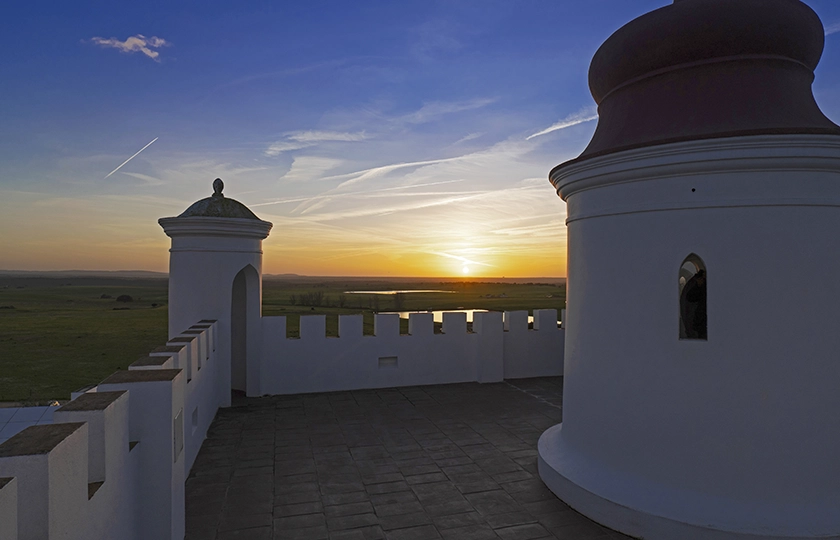
One evening, I climbed the tower just before sunset. The sky changed gradually from pale blue to copper, then deep red, before settling into that dark midnight blue that only exists far from cities. The entire landscape seemed suspended.
And in that moment, I understood something about the Alentejo: the horizon never really ends here. Which is why your thoughts begin to expand with it.
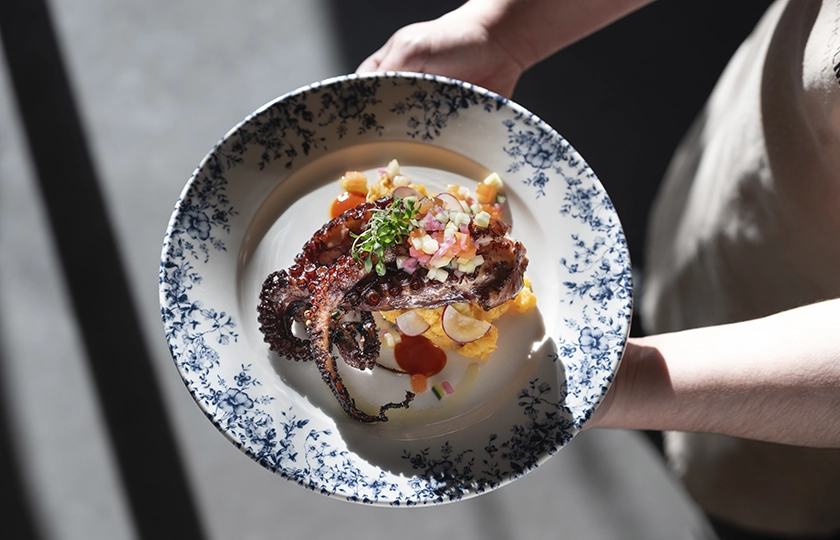
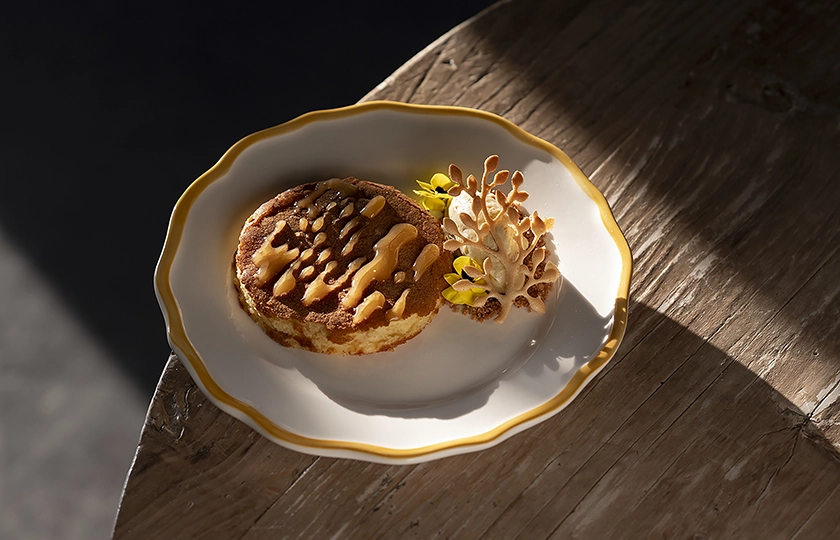
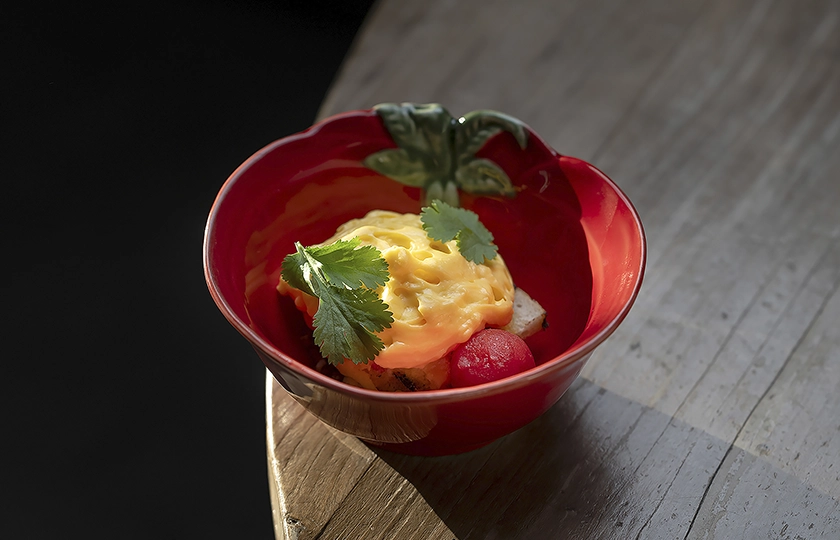
The food at Torre de Palma feels deeply connected to the land around it. Honest, rooted, quietly sophisticated. The chef works almost entirely with local ingredients and traditional Alentejo references, but with enough restraint to let the flavors remain clear and familiar.
I still remember a chilled tomato soup with smoked sardine. Peppery olive oil. Bread still warm from the oven. Herbs picked that same morning. Wines poured slowly, without performance or ceremony.
At Torre de Palma, luxury appears through attention. Butter served at exactly the right temperature. Someone remembering how you took your wine the night before. The feeling that nobody wants to rush you through the experience.
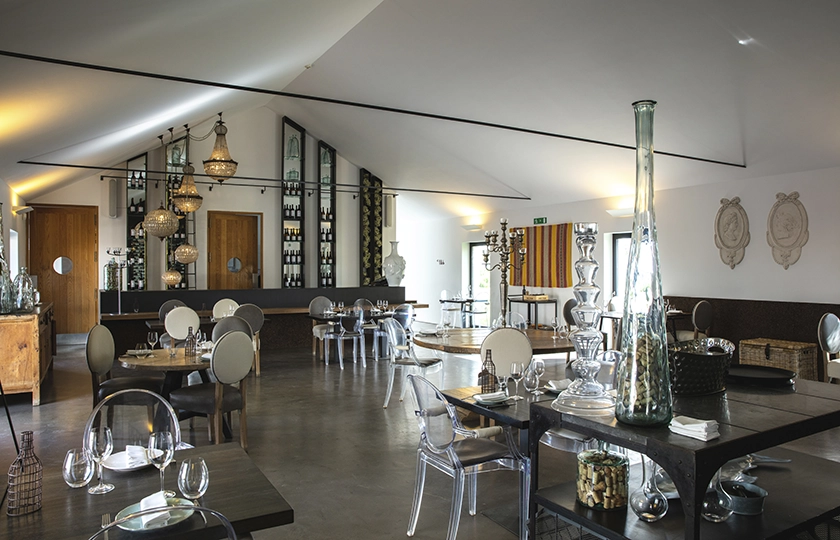
Even the restaurant reflects that spirit. Long communal tables sit alongside contemporary design pieces and rural references from the Alentejo. It feels elegant without distance. Warm without trying too hard. You find yourself staying longer than planned.
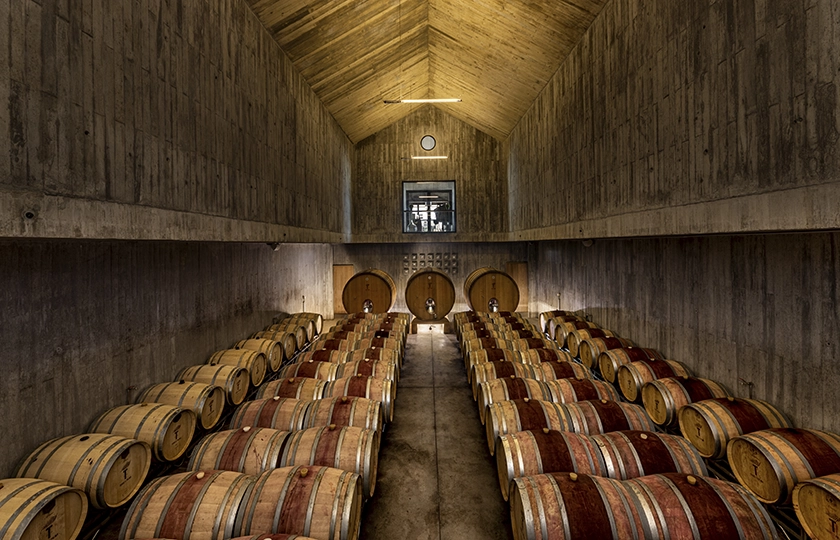
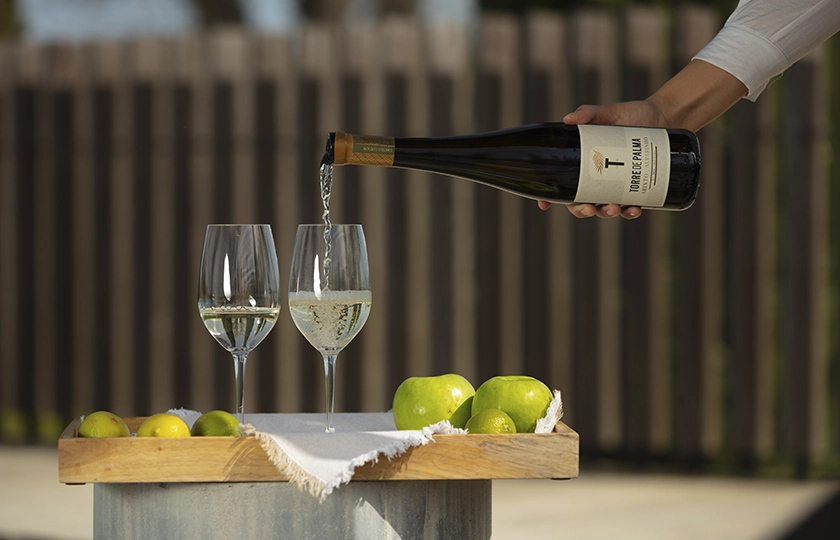
And then there is the wine. You cannot fully understand Torre de Palma without understanding its relationship with the land. The winery is not an attraction added to the hotel. It feels like part of its emotional structure.
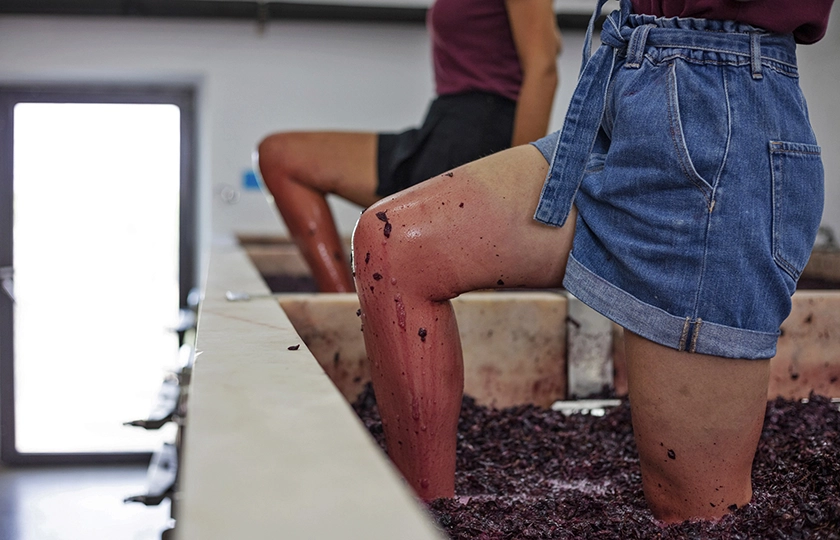
During harvest season, everything changes rhythm. There is movement in the courtyards, conversations between workers, crates overflowing with grapes, the smell of fermentation in the air. Guests can take part in the harvest, taste directly from the barrels, walk through the vines late in the day as the heat softens over the fields.
The wine here tastes of dry summers and hard work. But it also tastes of time.
I remember trying an Alicante Bouschet so dark it was almost black in the glass. Powerful, deep, yet unexpectedly elegant. And while drinking it, I understood why people speak about the Alentejo with such tenderness.
Some places impress you. Others remain with you
And then there are the people. The team at Torre de Palma never feels performative. Hospitality here feels natural, almost instinctive. There is pride in the way they speak about the region, the producers, the wines, the traditions. Nobody is trying to sell you a fantasy version of the Alentejo. They are simply sharing the place they love.
Perhaps that is why the hotel leaves such an intimate impression. Because nothing feels forced. There is no unnecessary excess. No theatrical luxury. Only a quiet harmony between landscape, architecture, food, history, and time.
In a world that constantly asks us to move faster, Torre de Palma offers something increasingly rare: space to hear yourself again.
On my final morning, I woke before sunrise once more. I stepped outside while the sky was still pale. The air smelled of cold stone and damp vines. Somewhere in the distance, a rooster broke the silence, followed by footsteps crossing the gravel courtyard. The hotel was waking slowly.
Before leaving, I looked back one last time from the dirt road. The tower remained there, white beneath the soft morning light, completely still in the middle of that immense landscape.
And I realized that some places do not change us dramatically. They simply remind us how it feels to be present. That is what stayed with me after Torre de Palma. Not the photographs. Not even the wine. But the feeling of having slowed down enough to notice life again.