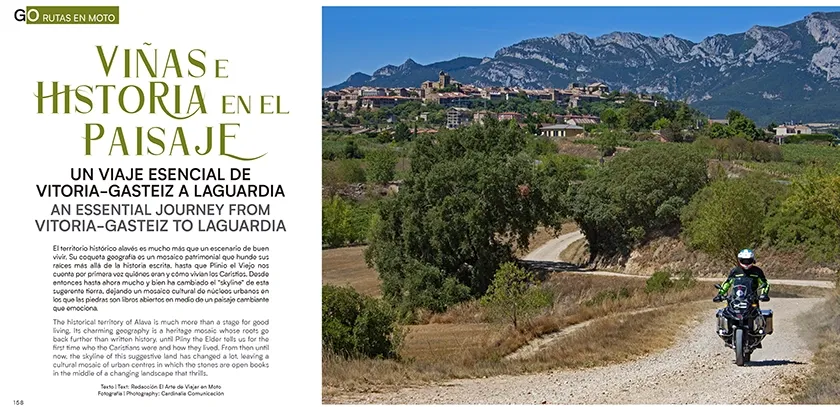
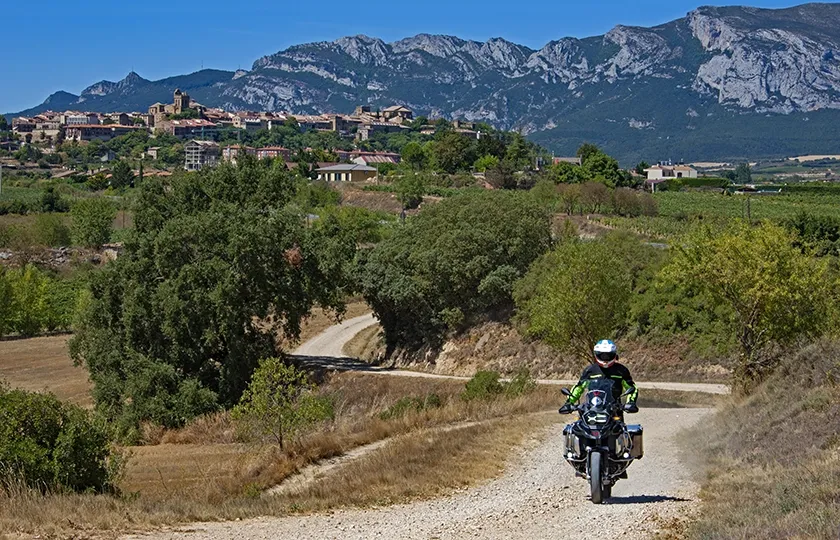
The historical territory of Alava is much more than a stage for good living. Its charming geography is a heritage mosaic whose roots go back further than written history, until Pliny the Elder tells us for the first time who the Caristians were and how they lived. From then until now, the skyline of this suggestive land has changed a lot, leaving a cultural mosaic of urban centres in which the stones are open books in the middle of a changing landscape that thrills.
The province of Alava offers many possibilities for enjoying it on a motorbike. In this first instalment, we will focus on the 120-kilometre stage that will take us from Vitoria-Gasteiz to Laguardia, in the heart of Rioja Alavesa.
From the central plain to the seas of vineyards that produce some of the best wines in the world, this route reveals the most genuine essence of the provincial capital, the identity of legendary deeds and the different cultures that make up the melting pot of this Basque corner through which peoples from different corners of Europe left a deep mark that, in many aspects such as language, are still present today, without forgetting the Romans and Arabs who also have their pages in history.
All this opens up a unique road map that we will travel by motorbike along winding roads in search of the magic that only this land has.

Vitoria-Gasteiz, a green city with soul
Located at a strategic crossroads that connected the centre of the peninsula with Europe, where the Roman road that connected Astorga and Bordeaux even passed, Vitoria-Gasteiz is today a vibrant and luminous city with a valuable historical and cultural heritage.
To the rhythm of the sound of the bike’s twin-cylinder engine, we start the route in the Plaza de la Virgen Blanca under the glare of the sunlight reflected in the white galleries that mark the perimeter, the nerve centre of the city presided over by the monument to the Battle of Vitoria, fought on 21 June 1813 against the French troops.
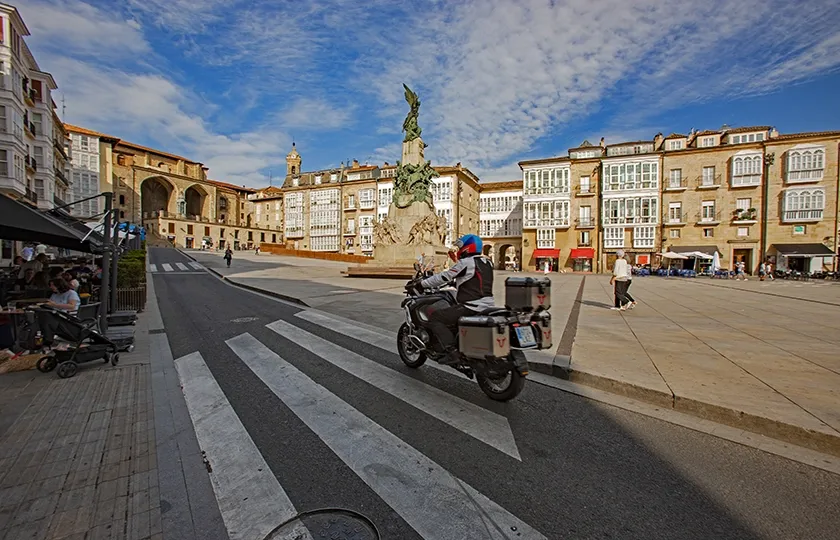
We must not overlook the church of San Miguel and the statue of Celedón, a character who every August comes down from the sky with an umbrella to announce the start of the patron saint’s festivities and the tempting atmosphere of the terraces and shops.
The city can boast of being one of the few Spanish cities with two cathedrals: that of Santa María, built between the 13th and 14th centuries as a church-fortress and a source of inspiration for writers such as Ken Follet (The Pillars of the Earth) and Paulo Coelho (The Zahir), and that of María Inmaculada, also known as the New Cathedral.
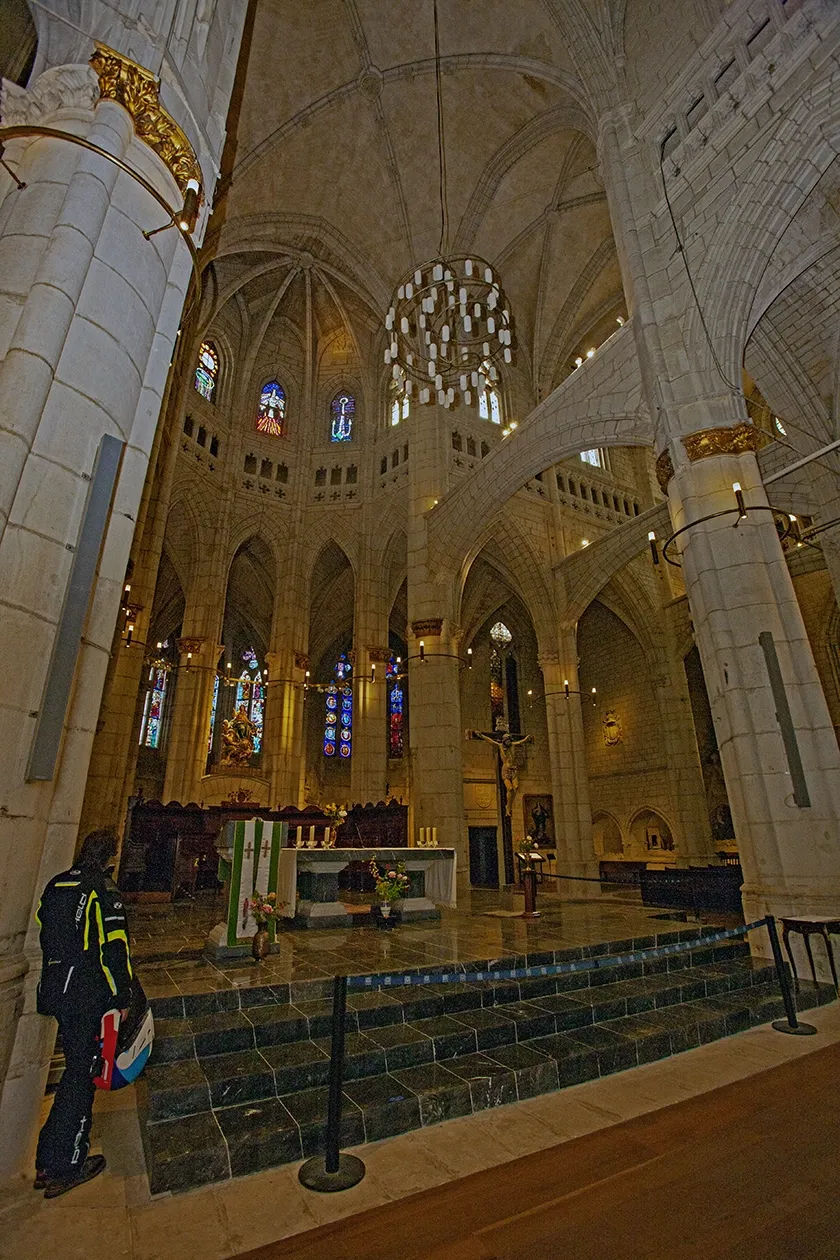
Vitoria-Gasteiz is a friendly and comfortable city that invites you to live and enjoy it. Its Old Quarter preserves the medieval almond-shaped layout from the foundation of the town by Sancho VI “The Wise”. Walking through the streets that preserve the names of ancestral trades and that house the most unique buildings in the city, such as the Escoriza-Esquivel, Montehermoso or Bendaña palaces, the Casa del Cordón or the Portalón, an old medieval inn, which rivals the neighbouring Torre de los Anda as the “oldest” building in the city, is a real pleasure for the senses. Jewels of the past and more contemporary surprises such as Vinylora, one of the few remaining music shops in this country where vinyl is the real protagonist.
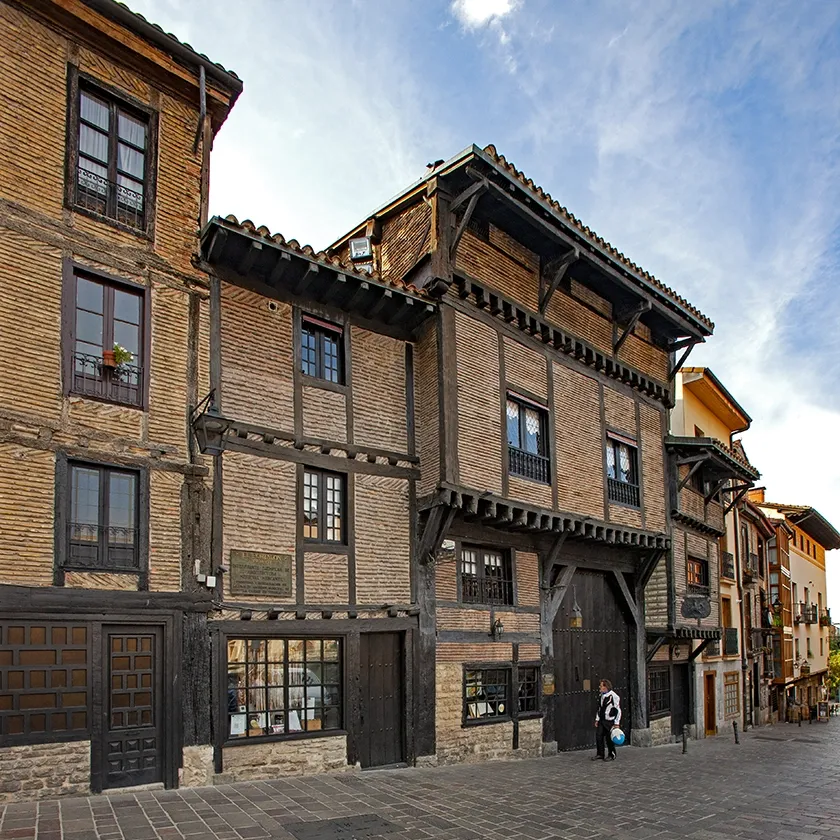
There are numerous spaces that make up the city’s museum offer, but on this occasion we are going to focus on two of them, the BIBAT Museum and the ARTIUM Basque Museum of Contemporary Art.
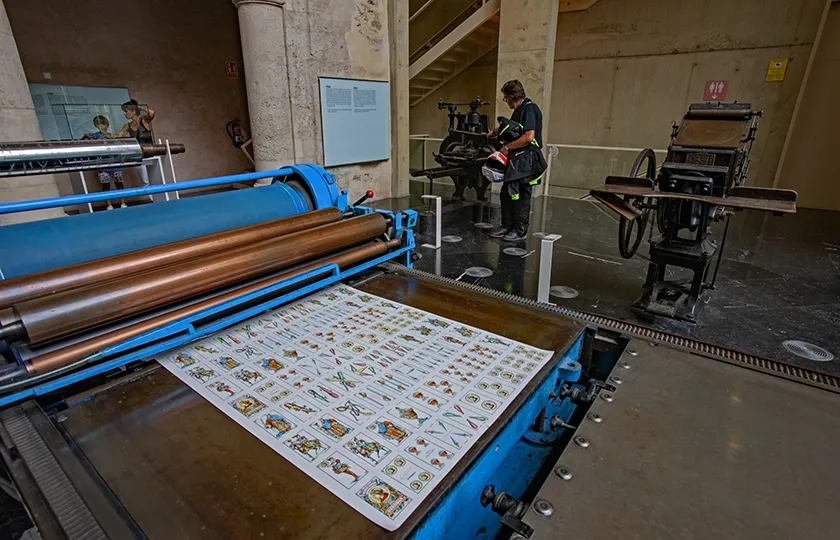
In the old quarter is the BIBAT Museum, which in Basque means two in one, because here we find the Fournier Playing Card Museum and the Archaeological Museum of Alava. The former, located in the Palacio de Bendaña, houses what could be the best collection of playing cards in the world, made up of 250 decks/1,500 playing cards that Félix Alfaro Fournier, grandson of Heraclio Fournier, founder of this famous playing card factory, treasured. Opposite, the second space houses an important collection of approximately 1,500 pieces ranging from the Palaeolithic period to the founding of medieval towns, originating from archaeological excavations carried out in the province since the late 19th century.
A benchmark in the field of contemporary art museums, ARTIUM stands out not only for the works on display but also for its architecture, which means that most of the exhibition area is below ground level. It is a benchmark for the significant amount of its own collection (nearly 3,000 works), especially by Basque and Spanish artists, as well as prestigious artists such as Picasso, Miró, Barceló, Elena del Rivero, Chillida, Oteiza, Cristina Iglesias, Txomin Badiola, Richard Serra or Bill Viola, and of course, the best of the new generations. It is also renowned for its ambitious programme of national and international exhibitions, for its intense agenda of activities linked to contemporary culture in genres such as film, the performing arts and music, for its dynamic and active Documentation Centre and for its commitment to educational and social tasks.
We cannot leave Vitoria-Gasteiz without sampling the miniature cuisine, or in other words, going out for pintxos. Both in the medieval quarter and in the city centre, you will find establishments whose bars are laden with all kinds of appetisers, each one more tempting than the last. And of course, restaurants like Ko Batxa Casa de Comidas. Located very close to the Plaza de la Virgen Blanca, we were able to enjoy its delicious gastronomy. Its different corners with a decoration in which modern elements merge with other more classic ones such as stone or wood create an ideal atmosphere to taste the dishes that come out of their kitchens.
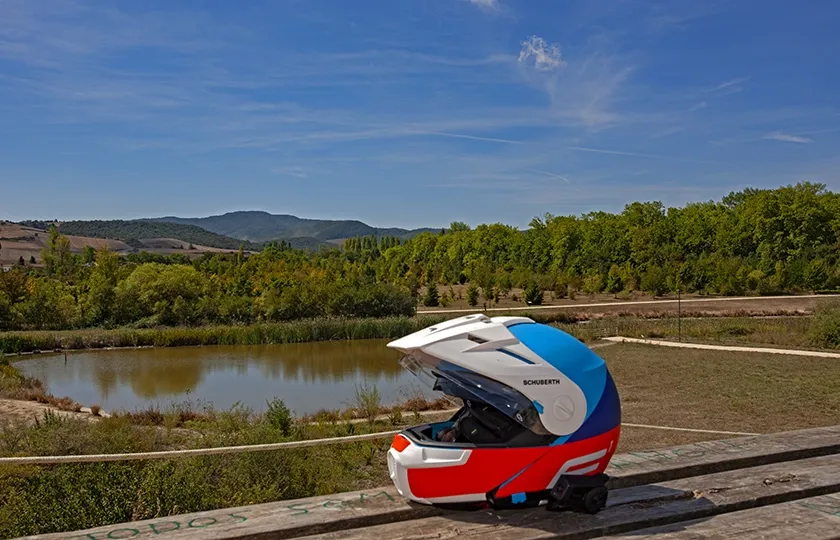
The commitment to sustainability is very present in Vitoria-Gasteiz, where the 171 kilometres of cycle lanes or the more than 115,000 trees that fill its streets and urban parks, among other actions carried out in the capital, have served to receive different awards and recognitions. One of these jewels of nature is the Green Belt, a set of periurban parks of high ecological and landscape value: Armentia, Olarizu, Salburua, Alegría, Zabalgana, Zadorra, Errekaleor and Las Neveras which already exist and which have pedestrian and cycle routes, protected spaces and facilities such as the Casa de la Dehesa and the Botanical Garden of Olarizu, the Salburua Ataria Wetlands Interpretation Centre and the Ecological Vegetable Gardens of Urarte; plus another in the pipeline: Larragorri.
Amongst historic villas, dolmens, cromlechs and menhirs
We leave the capital of Alava with the indelible memory it leaves in the visitor and head for the Rioja Alavesa. But first, we will visit other places that may be less well known, but are equally attractive.
The beginnings of the old border town of Agurain-Salvatierra, some thirty kilometres from the capital, were marked by the disputes between the Crown of Navarre and Castile over its control. The walled medieval quarter, declared a historic site in 1975, still survives from that period, with the main street, Calle Mayor, as its main artery, preserving the buildings of greatest artistic interest. Emblazoned houses and the fortress churches of San Juan and Santa María make up the town’s heritage catalogue. The Pilgrim’s Way to Santiago de Compostela runs through the town and the natural surroundings offer the possibility of attractive routes both by bicycle and on foot.
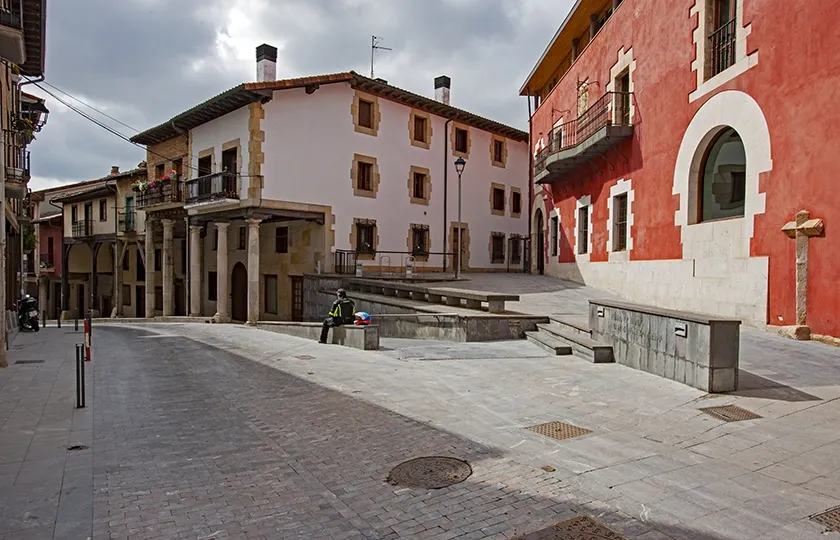
Nearby, the dolmen of Sorginetxe, built around 2500 BC, is one of the most important megalithic funerary monuments in the Basque Country. The prehistoric heritage of the area is richly completed by the Mendiluze cromlech and the Itaida menhir.
Along secondary roads that make the journey on a motorbike a delight, we approach the privileged natural environment that surrounds the municipality of Campezo, where it is possible to practice numerous nature activities such as bird watching, cycling and hiking routes. And very close by, the Izki Nature Reserve, the fourth largest in the Basque Country, protects the treasures of the Alavese mountains and the fifteen perfectly signposted routes of varying degrees of difficulty. The great diversity of species of flora and fauna and the elements linked to the presence of human activity over time are the protagonists of these places that bring together an outstanding ecological and cultural heritage.
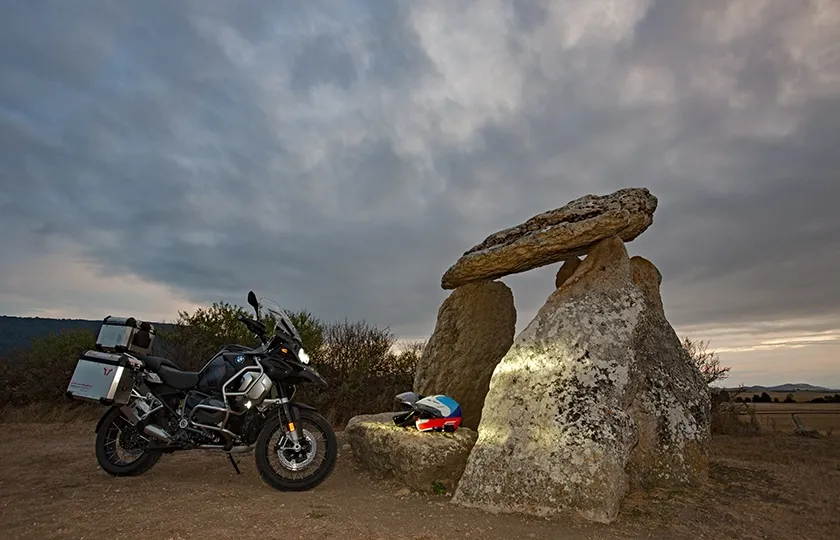
At the gates of the natural park, the town of Antoñana, a walled complex declared a National Monument of the Basque Country, is a real jewel of heritage with its tower houses, emblazoned houses and beautiful and evocative corners where it is easy to travel back in time.
Rioja Alavesa, land of wines, history and wine tourism experiences
Curve after curve, each one more fun, in the middle of forests that invite you to dream and open the helmet screen to breathe fresh air, we arrive at the Rioja Alavesa, a land of exceptional wines that combine with delicious cuisine, beautiful landscapes and a cultural and historical heritage of the highest level. An ideal place to live unforgettable experiences.
The monumental town centre of Elvillar is dominated by the grandiose church of Nuestra Señora de la Asunción, the palatial houses and the Casa del Indiano. But the most important tourist attraction is to be found among the vineyards, the Dolmen de la Hechicera, one of the most important megalithic monuments in the Basque Country, estimated to be five thousand years old and probably the largest and best preserved in this part of Alava. A journey back to prehistoric times is completed with the “Abrigo de los Husos”, an archaeological site where remains of domestic livestock and cereal crops dating back more than six thousand years have been found.
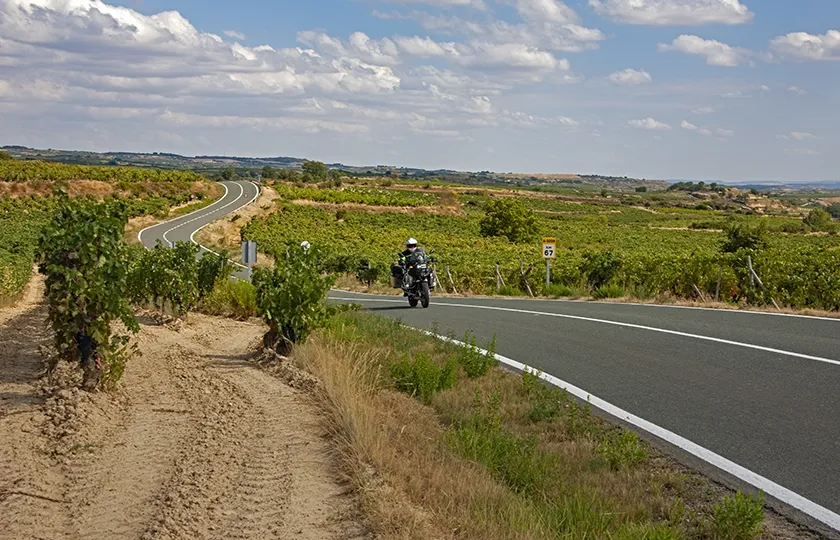
This exciting journey, now between vineyards that break the horizon, is coming to an end, but first we will enjoy the surprises that await us in Elciego and Laguardia.
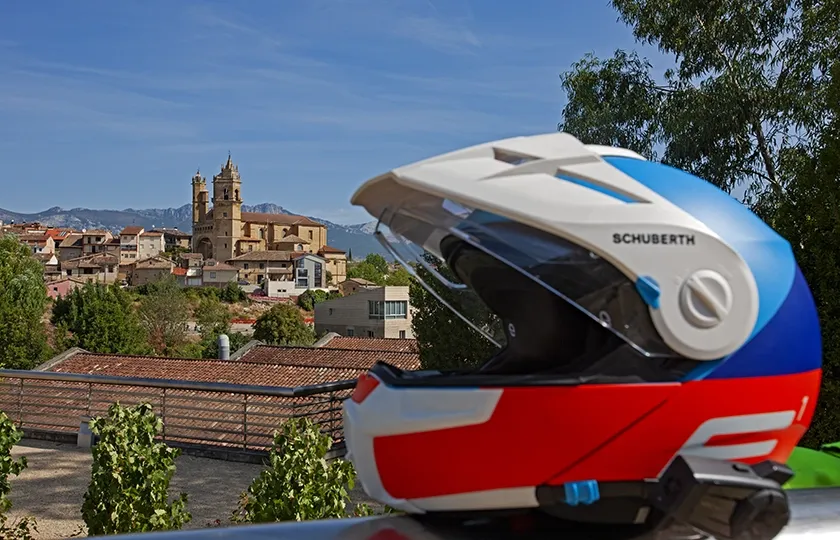
In its picturesque narrow streets, the town centre of Elciego preserves interesting buildings such as the parish church of San Andrés or the hermitage of the Virgen de la Plaza, as well as palaces and sturdy stone houses with coats of arms that tell us of its splendid past. Wineries such as Valdelana, where a job well done has been rewarded with recognition on three occasions as the best Art and Culture Winery, a space in which through tastings you can discover its excellent wines and oils, as well as the two underground museums located in 15th century cellars: the Ethnological and the Wine Museum and the Garden of Varieties, a vineyard located on the meander of the river Ebro, complete the proposals made by this family winery.
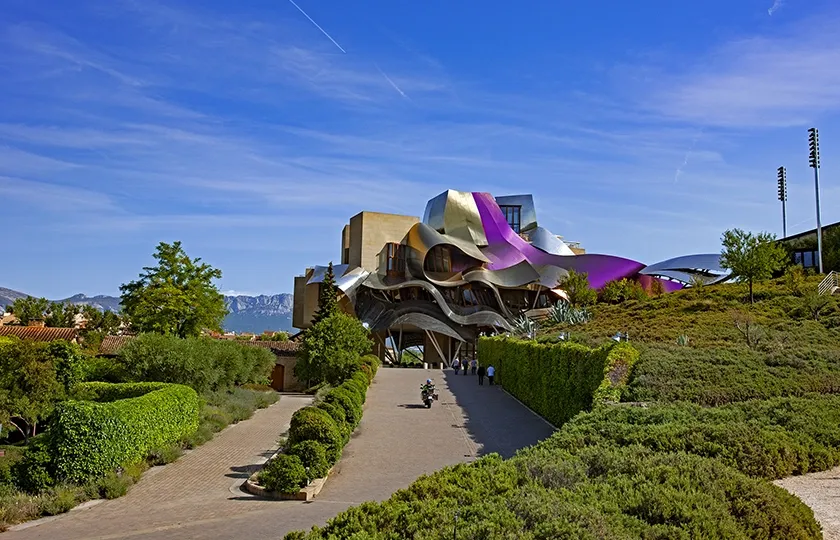
Without leaving the town, Bodegas Marqués de Riscal offers an experience that revolves around the original winery built in 1860 and which has one of its greatest treasures: the Botellería, where they keep a collection of wines from all the vintages produced since 1862, which makes Elciego’s wine tourism offer unbeatable. In addition to the wineries and vineyards, the Marqués de Riscal Wine City also includes the Marqués de Riscal Luxury Collection Hotel. Built in 2006, it is the jewel of the Marriot International chain and designed by the architect Frank O. Gehry, achieving a total integration of the vineyards and the wineries with the spectacular shapes and its majestic silhouette of changing colour depending on the incidence of the sun’s rays. This international icon has a wine therapy spa and a wide gastronomic offer, with the advice of the Riojan chef Francis Paniego at the controls of the most traditional cuisine of the area and the most avant-garde proposals presented in the Gastronomic Restaurant and 1860 Tradition. In addition, the hotel bar Vinoteca & Bistró and the Asador Torrea with its open-air grill complete the gastronomic offer.
Laguardia, capital of the Rioja Alavesa region, was founded in the 10th century as a defence for the Kingdom of Navarre, and today its medieval layout is practically intact. Its historic quarter treasures authentic jewels such as the fortified churches of San Juan Bautista with interesting pieces such as the Baroque style High Altarpiece and Santa María de los Reyes, whose most outstanding work is the polychrome portico in carved stone from the end of the 14th century, the ornamentation being from the 17th century thanks to the mastery of Juan Francisco de Rivera.
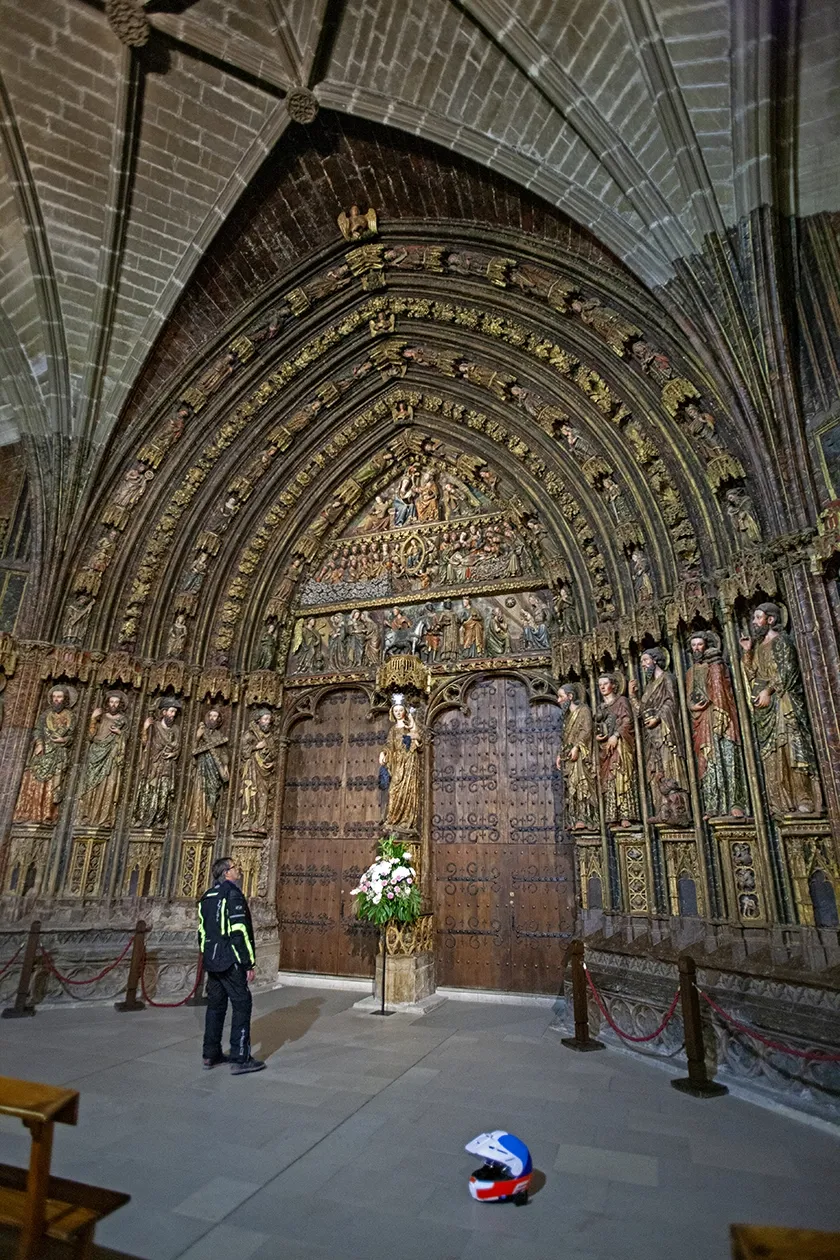
Medieval, Renaissance, Baroque and Neoclassical buildings such as the 14th century Casa de la Primicia, the oldest civil building in the town, complete the heritage catalogue of Laguardia. The charming Plaza Mayor square is surprising and every hour on the hour it attracts visitors and onlookers who wait for the start of the clock, animated by “El Cachimorro” and its two dancers dressed in typical costume.
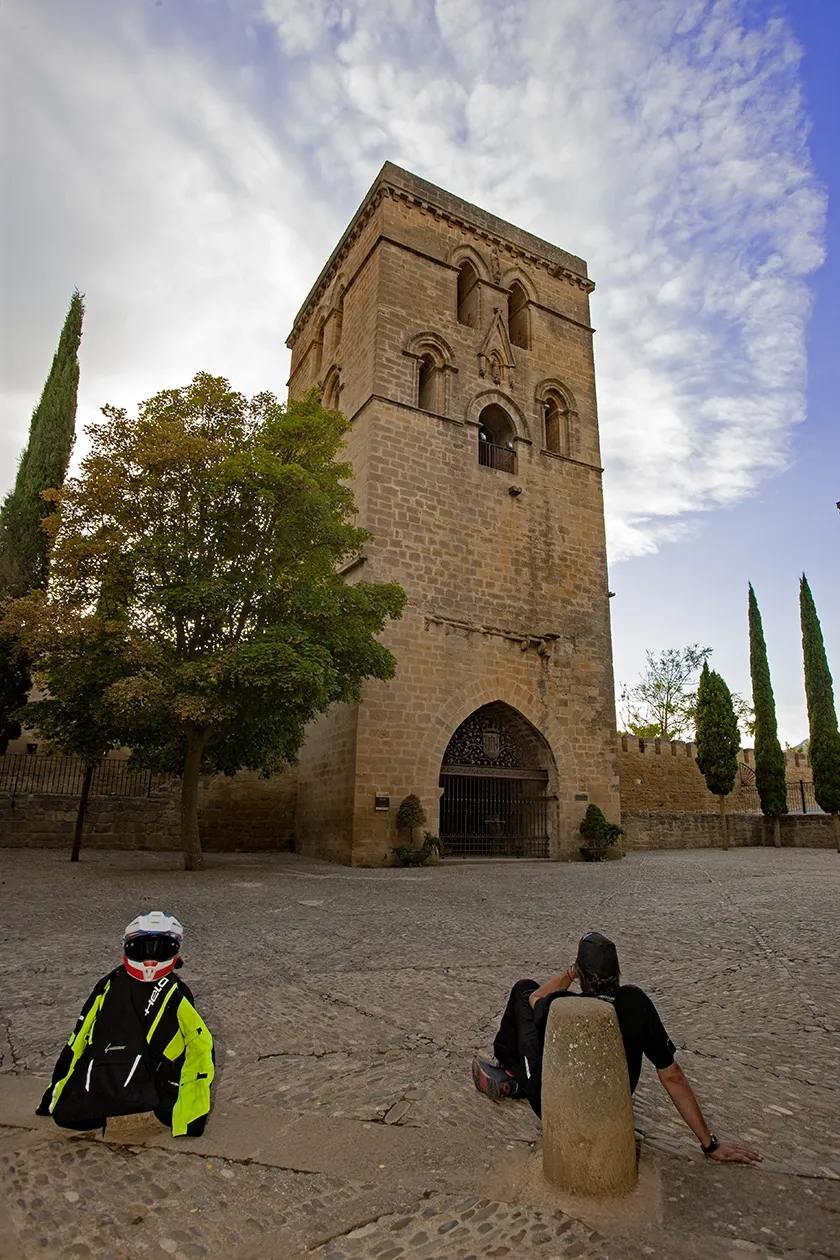
Two other cultural landmarks that bring us closer to the first settlers are the archaeological site of La Hoya, more than 3,400 years old, an important commercial centre from the Bronze Age and whose museum exhibits objects such as pots, plates, decorative objects, among other vestiges, without forgetting the Celtiberian pond of La Barbacana built 2,100 years ago and which can be considered the largest Iron Age pond that exists in Europe. This grandiose work, which allowed for the accumulation of more than 300,000 litres of water, was built to collect the water from a spring that rises in the upper part of the hill, where the medieval village now stands. The interpretation centre that completes the visit consists of advanced audiovisual aids, reconstructions of characters from the period, pictorial recreations and objects related to the subject matter dealt with here.
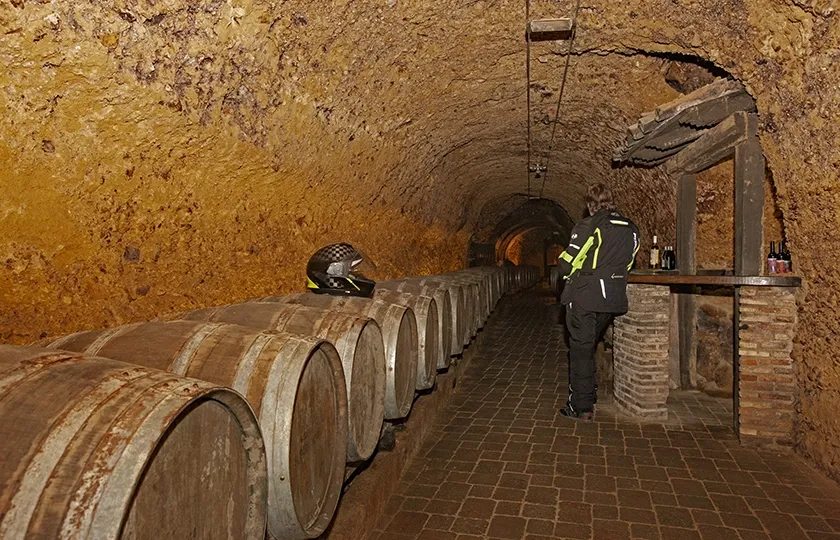
The town of La Guardia has been the birthplace of historical figures such as the writer Félix María de Samaniego. A 17th century palace located in the Plaza de San Juan is the place where this famous fabulist was born, lived and died. In the basement of this noble residence is the Bodega El Fabulista, one of the largest and most spectacular in the town, where wine is still made in the traditional, traditional way using the carbonic maceration method, and where different visits can be made, including dramatised visits. We follow in Samaniego’s footsteps and on this occasion we are taken to what was once the writer’s recreational estate, Villa Lucía, nowadays a theme centre designed to disseminate and enjoy the wine and food culture, a pleasant and fun experience with which to learn about the culture and rituals of wine. If you have the chance, don’t miss “In dreamland”, a sensory experience in four dimensions in the form of a short film that has won several awards. Villa Lucía is an accessible museum, which has made it the first establishment in its category to be certified by Equalitas Vitae as an Inclusive Museum with 100% accessibility. The thematic centre is completed with a restaurant, beautiful gardens, vintage terrace, gourmet shop and different rooms for holding all kinds of private or corporate events.
We finish this first stage in the Basque Country at the lagoon complex near Laguardia, which can be reached by fun dirt tracks.
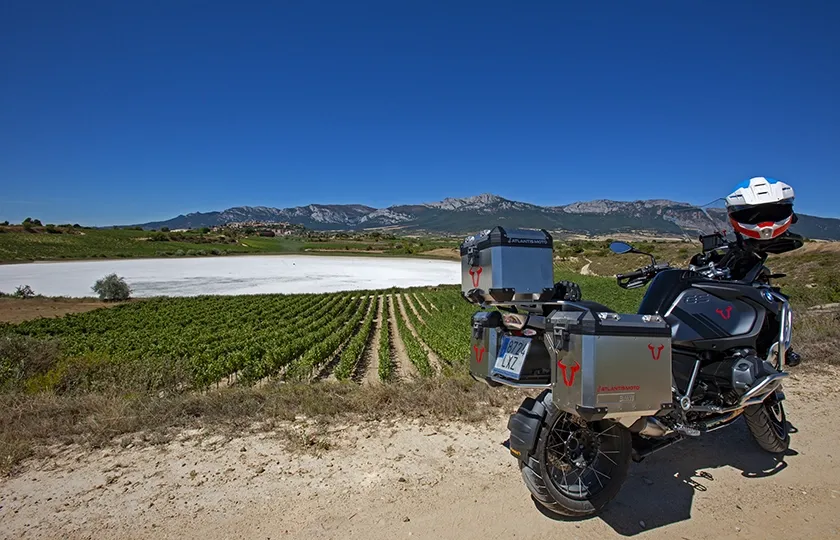
Extraordinarily interesting from a geological point of view and for the flora and fauna it contains, it is made up of four small wetlands. The Carravalseca and Carralogroño lagoons, dry depressions, smooth and white due to the salt crust that forms on the surface when the water accumulated during the wet seasons evaporates; The Musco lagoon, dried up for the cultivation of its land, and the Prao de la Paul pond, of artificial origin and the only wetland prepared for a visit along the path that borders it, being accessible to people with disabilities, although it is not recommended in the rainy season, with areas specially prepared for bird watching.