After independence from the Soviet Union in 1991, what was a Russian military settlement in the first third of the 19th century became a thriving city, whose main hallmark is its modern, futuristic architecture.
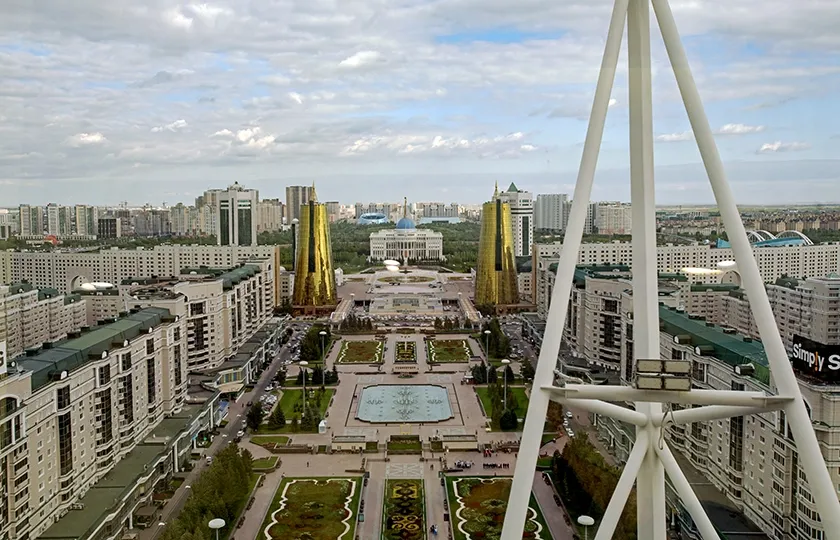
Astana, the capital of Kazakhstan since 1997, is today a comfortable and dynamic city where the traditions of Kazakh culture merge with the modern infrastructure of a large metropolis. Situated on the banks of the Ishim River, it is the work of Japanese architect Kisho Kurokawa, who designed a modern city with touches of Eurasian tradition, much to the admiration of architecture and urban planning enthusiasts.
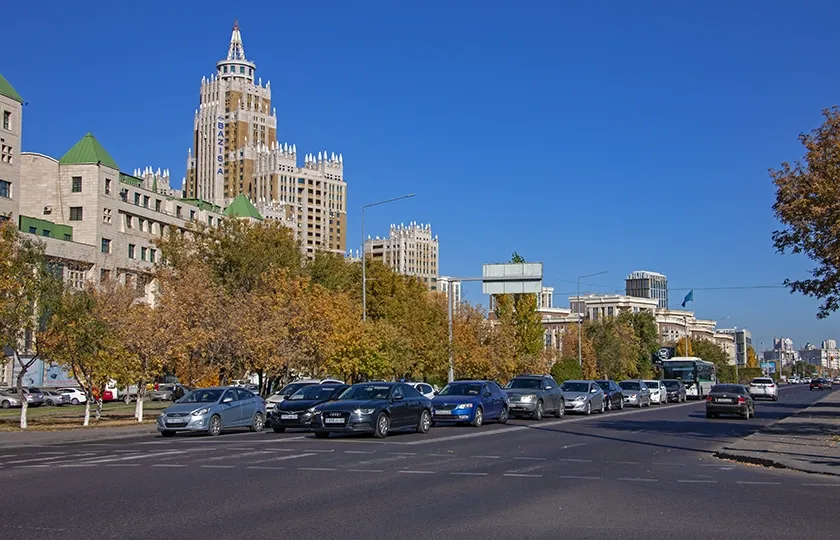
With the unmistakable stamp of some of the world’s most renowned architects, Astana is a welcoming city, easy to navigate and enjoy thanks to its wide avenues, exponents of a sustainable and technologically advanced modernity, where international business centres, public buildings, shopping centres and mosques all share the same space. In addition, good communications with the rest of the world make the capital an interesting destination for urban tourism, which is reinforced by its wide and rich cultural offer programmed throughout the year.
A stroll through Astana
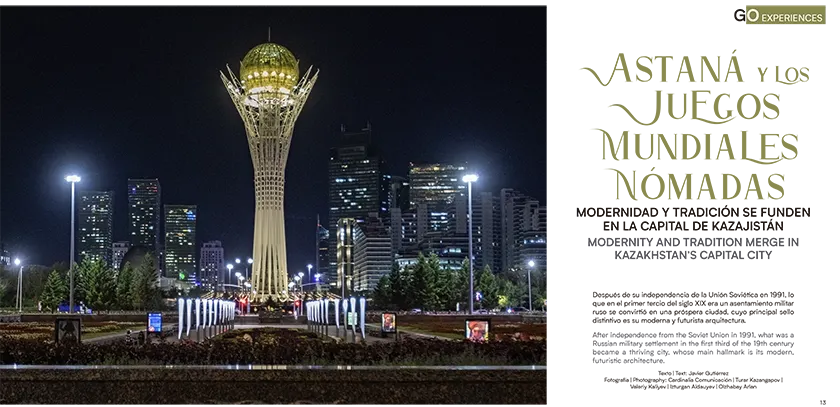
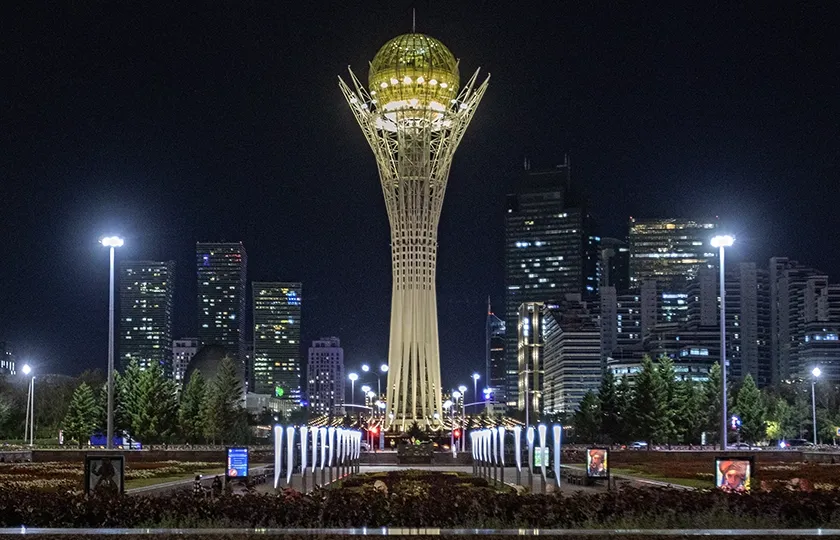
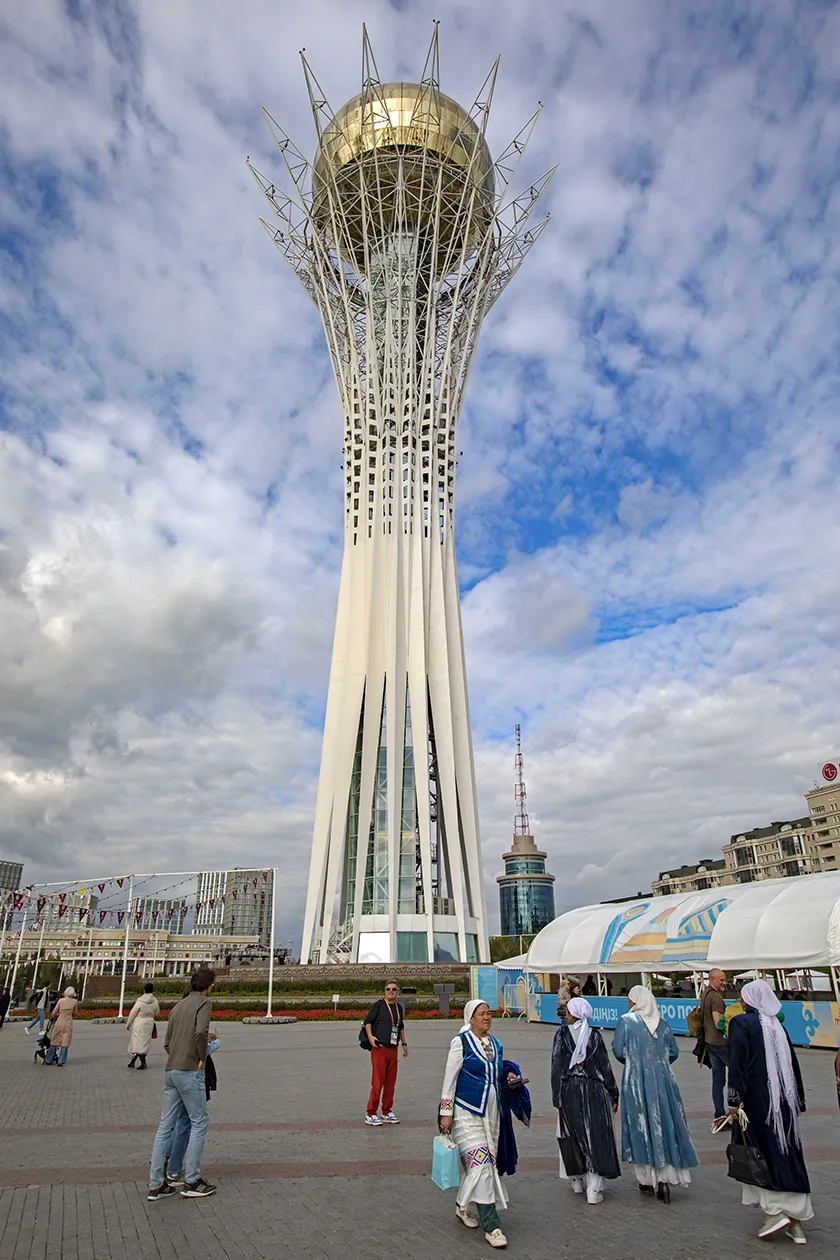
The wide avenues to which we referred earlier invite you to discover it at a leisurely pace, enjoying its architecture and discovering a thousand and one details. Urban experience that can be started at the Baiterek Tower, in the heart of Nurzho Boulevard and symbol of the capital, with a height of ninety-seven metres symbolising the year of the proclamation of the new capital. This monument shows that the history of the Kazakh people is like a mighty tree with a spreading canopy and long, strong roots, which sinks into seven deep layers of the earth. It is worth climbing up to the sphere crowning the tower, where the 360-degree view is unforgettable and unparalleled, and where the first palm print of former President Nursultan Nazarbayev can be found, and where the song Menan Elim plays when you reach out your hand to it, a passionate ode to the Kazakh homeland celebrating its freedom and unity.
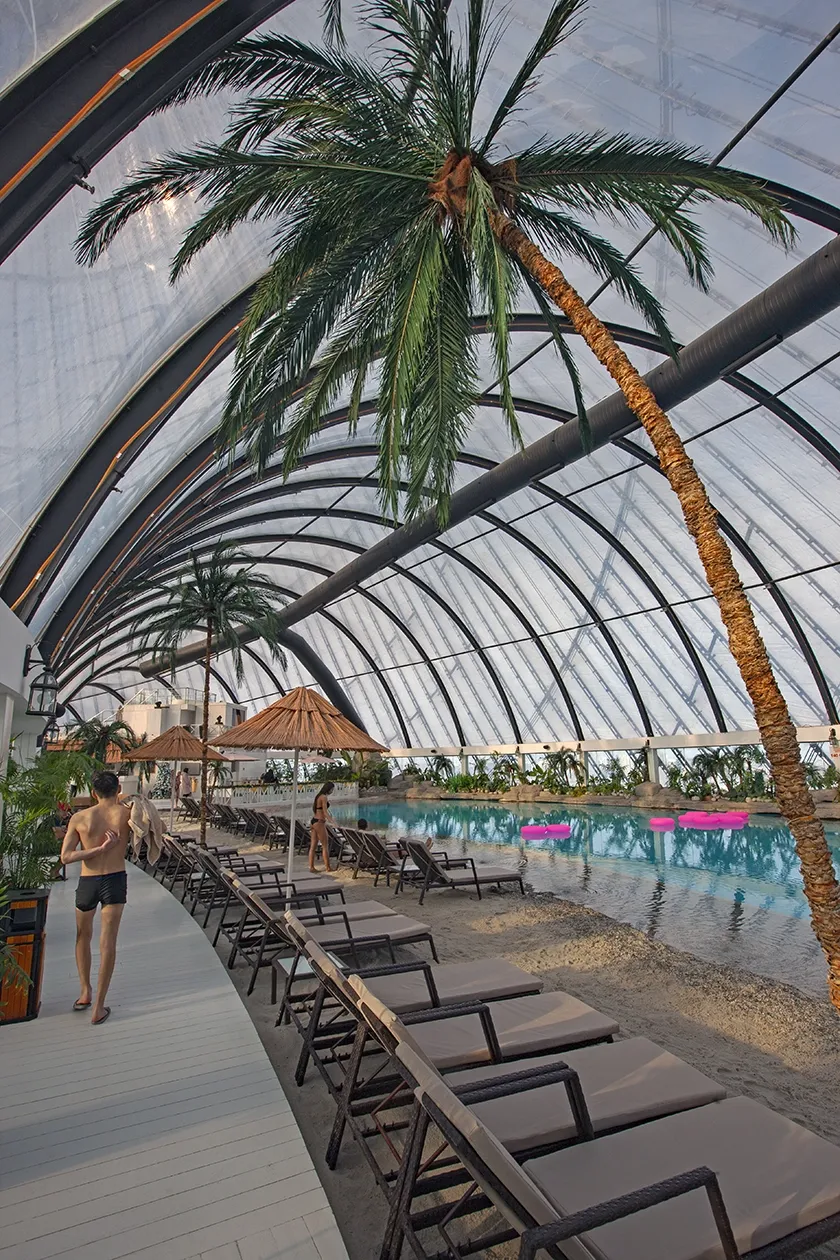
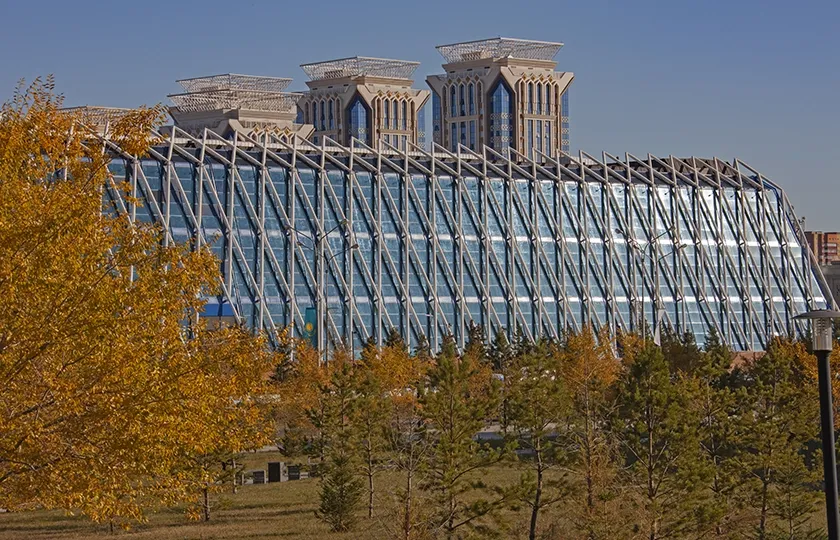
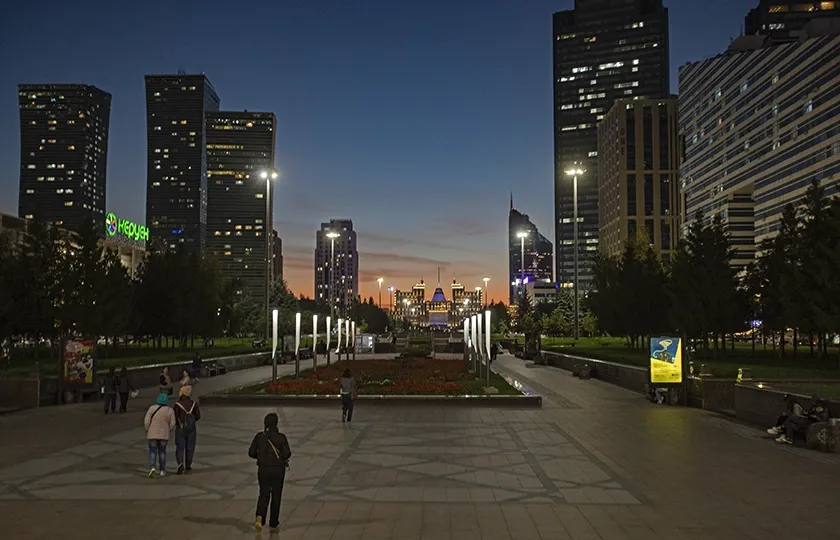
Nurzhol Boulevard, the centrepiece of Astana’s architectural wealth, stretches from the Ak Orda presidential residence to the Khan Shtyr shopping and entertainment centre, designed by British architect Norman Foster, which is notable for its giant tent, the largest in the world at 150 metres high and one of the world’s best green buildings according to Forbes Style magazine, even housing an artificial beach with palm trees and natural sand. This pedestrianised area, generous with all kinds of flowers and fountains, each with its own unique design and appearance, is home to important government institutions, as well as the headquarters of Kaz Munay Gaz, the state oil and gas company, Kazakhstan Railways, the State Archives and the National Library.
At one end of Nurzhol Boulevard, behind the presidential palace and across the Ishin River are a number of monuments that are well worth a visit. The first of these is the Palace of Peace and Reconciliation. A symbol of the unity of Kazakhstan’s different religions, ethnicities and cultures and located in the Presidential Park, the pyramid-shaped building is also the work of Norman Foster, who designed it on the principle of Fibonacci’s golden ratio.
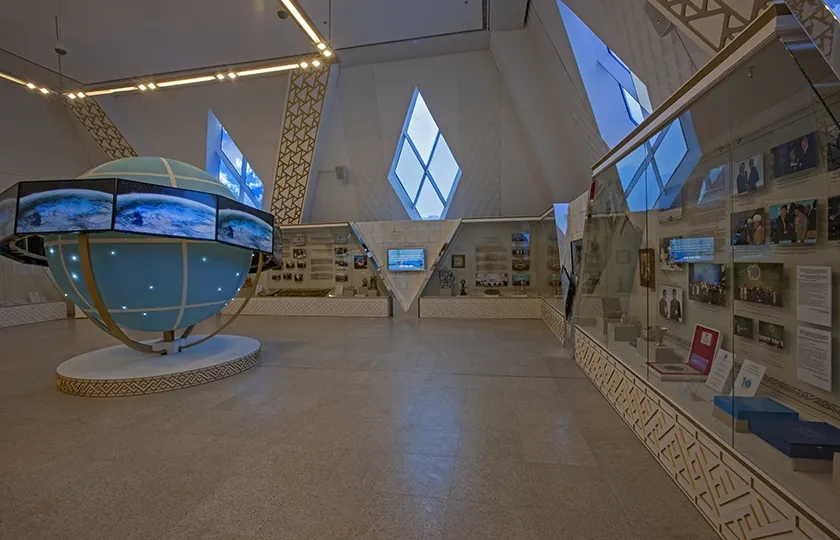
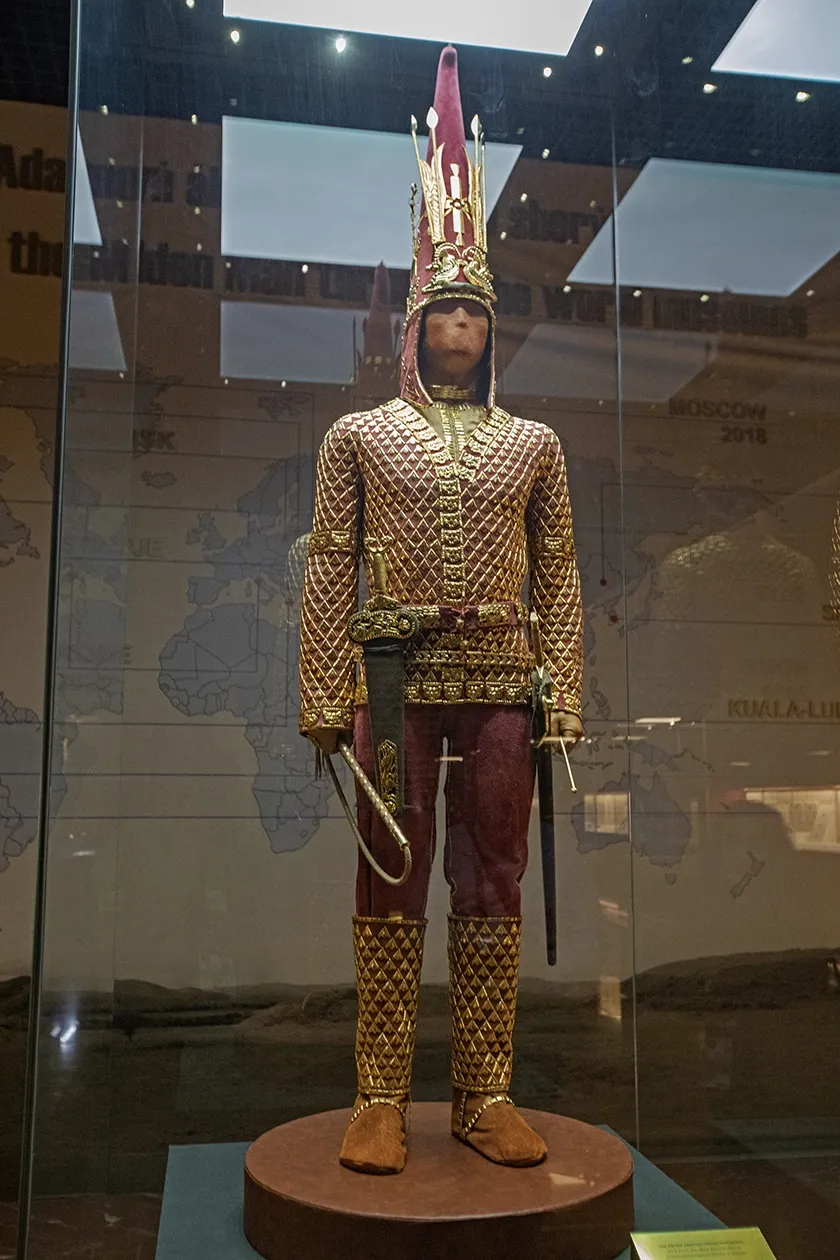
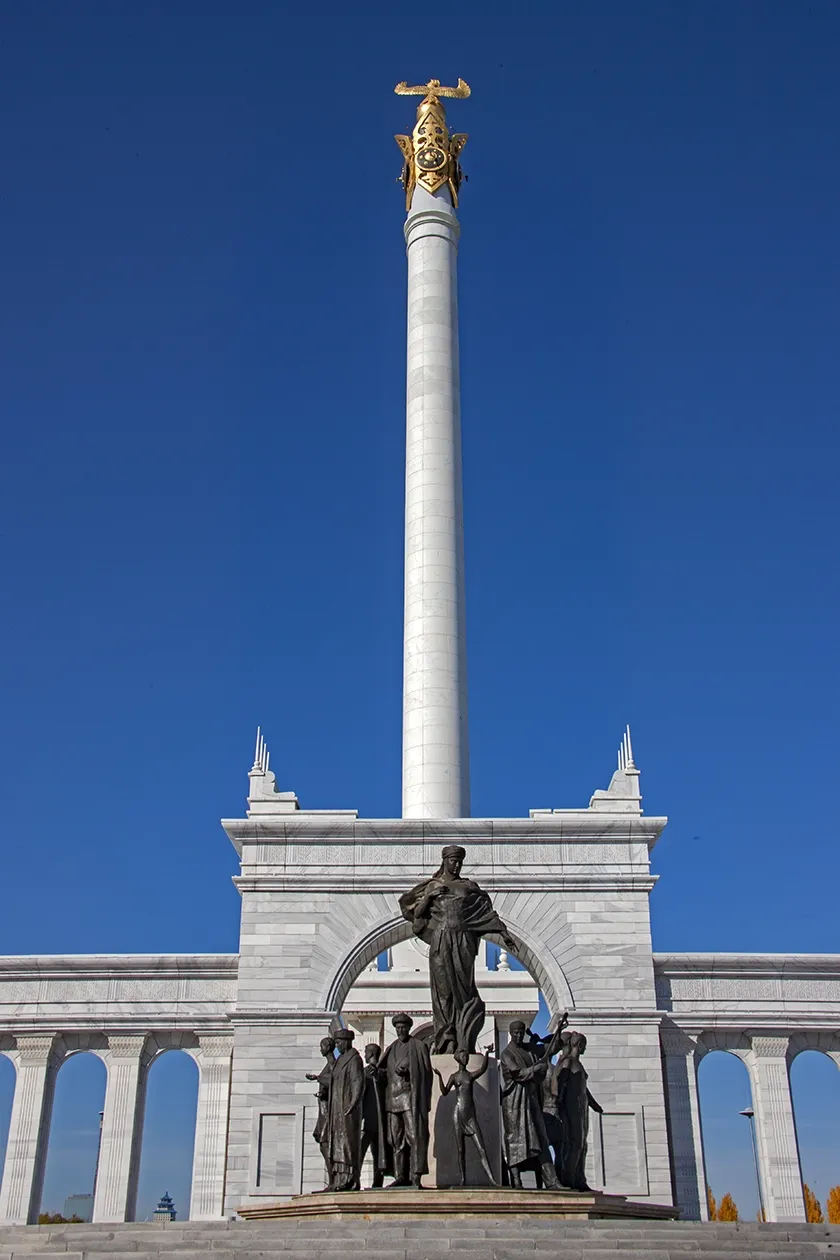
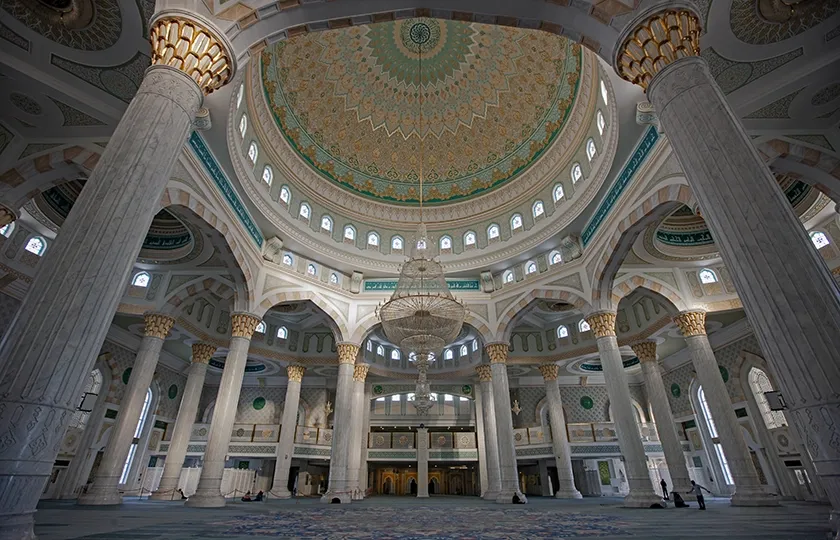
Nearby and sharing space, the Ely Monument to the Kazakh People. With a total area of 5.2 hectares, it occupies a special place in the history of the Kazakh people and contains a great symbolic charge represented by its ninety-one metre height, which coincides with the country’s year of independence, symbolising independence, unity, solidarity and the eternity of the national spirit. Behind it, the Palace of Independence was built to host official events and international meetings, as well as to house the Astana City Museum. Another of the capital’s must-see sights, the National Museum of the Republic of Kazakhstan, is within walking distance. With a collection of more than 175,000 pieces spread over 74,000 square metres, this magnificent museum space provides an insight into the history of the country in its various rooms: Ancient and Medieval History, History of Gold, Ethnography of independent Kazakhstan, Nursultan and contemporary art. Finally, the great Hazrt Sultan Mosque, the second largest mosque in Central Asia after Turkmenbashi Ruhy Mosque in Turkmenistan, is a fine example of classical Islamic style with traditional Kazakh ornamentation.
Continuing with religious architecture, there are two other temples that capture the attention of visitors, the Nur-Astana Mosque and the Orthodox Cathedral of the Assumption. The Nur-Astana Mosque has four 62-metre-high minarets, a 43-metre-high main dome and a total of 7,000 worshippers can pray inside at the same time. As for the Cathedral of the Assumption, it houses a number of unique objects such as the relics of St. Andrew the Apostle and the relics of the saints of the Kiev caves, as well as several icons such as St. Andrew Svirsky with the relics, St. Mary of Egypt and Our Lady of Kazan, as well as magnificent paintings by artists from the Russian village of Palekh.
Back on Nurzhol Boulevard, this time on the opposite side, where the Kaz Munay Gaz headquarters and the Park of Lovers are located, is the Opera and Ballet Theatre Astana Opera. With an elegant design inspired by the Italian theatres of the 19th century, it moves away from the avant-garde proposal that has accompanied us until now. The largest in Central Asia and the third largest in the world, its construction is dominated by marble and designed with acoustics in mind, as reflected in the beech and birch wood parquet, slow-growing Canadian pine and cherry wood cladding together with brass, ensuring that even the smallest corners of the hall enjoy exceptional sound.
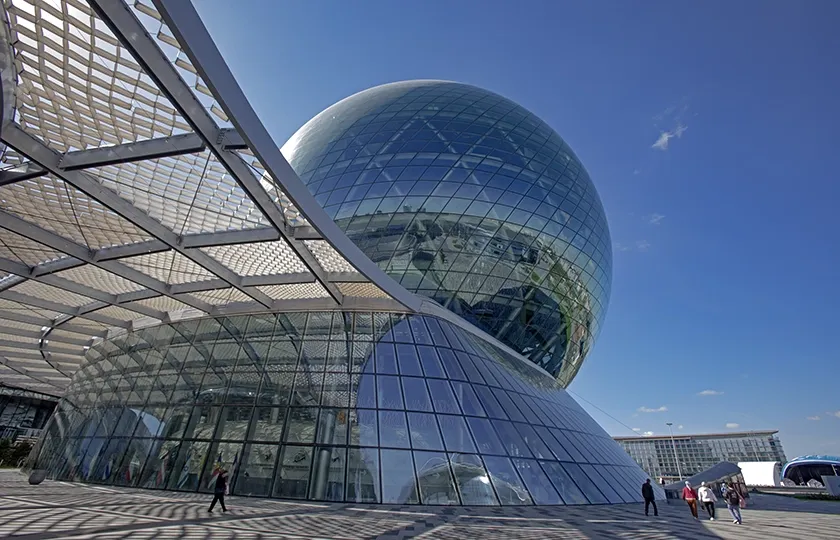
We end this exciting journey through Astana at the Nur Alem Future Energy Museum. The world’s largest spherical building was built for the Astana Expo 2017 and on its eight floors it is possible to receive master classes on sustainability, renewable energies, physics, mathematics and even walk on the surface of the moon. and everything related to environmental care, science and knowledge.

World Nomad Games, the meeting of the great steppe
Under the motto “The Meeting of the Great Steppe”, Astana hosted the fifth edition of the World Nomad Games, international ethnic sports competitions based on the folk games of the nomadic peoples of Central Asia, from 8 to 13 September. In addition to the countries where the inherited peoples of the nomadic civilisation live, teams from all corners of the world, including those who are not nomadic, also took part.
Approximately 2,500 participants from over eighty-nine countries travelled to the capital of Kazakhstan to participate in the twenty-one sports at the WNG, making the World Nomad Games one of the largest sporting events in the world. Six days of competitions also included cultural and scientific activities.
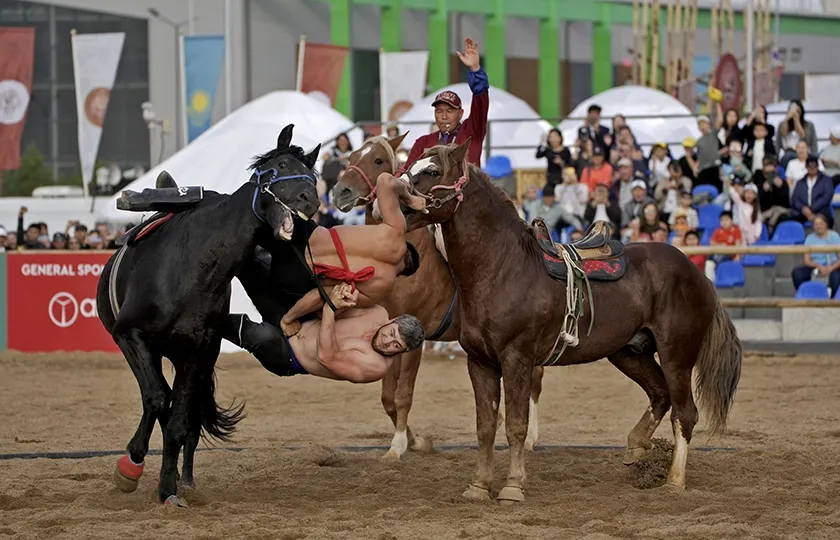
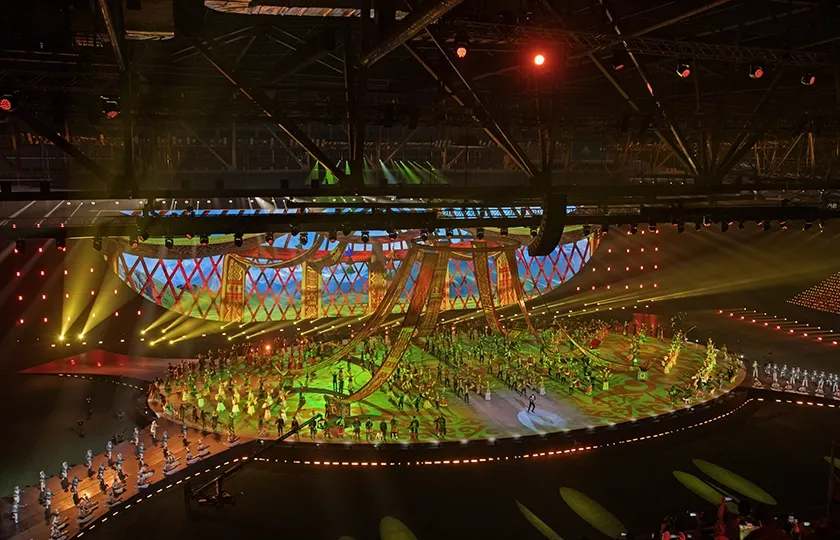
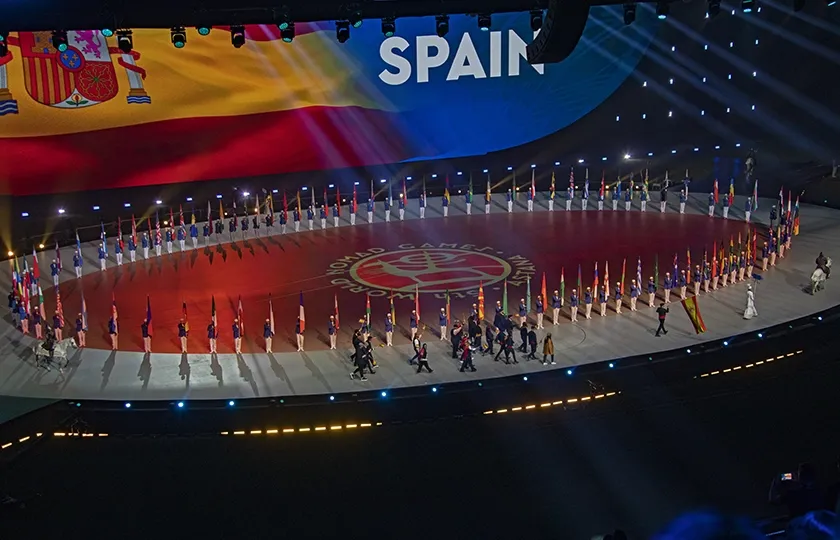
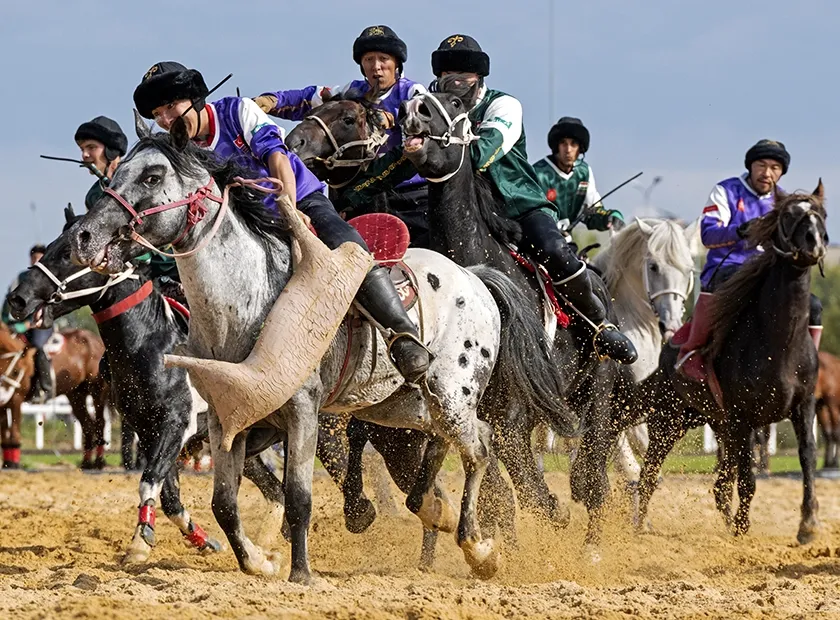
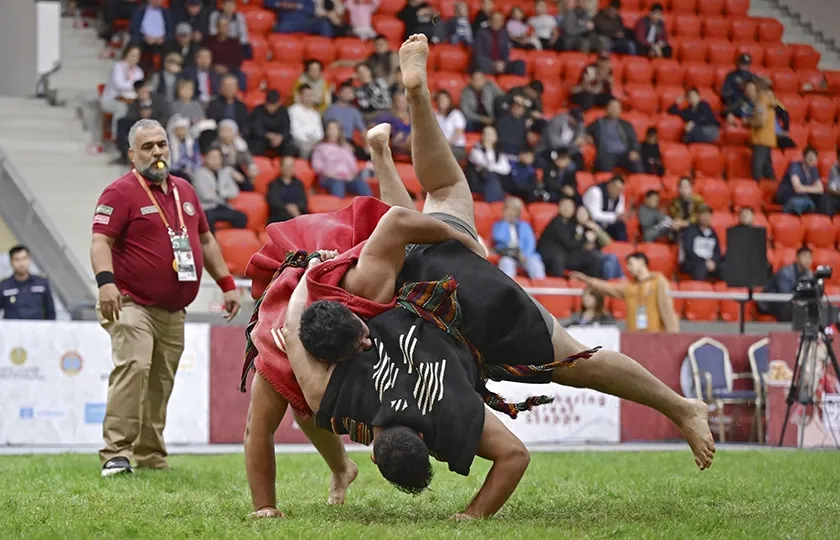
The Arena Stadium in Astana was the venue for the colourful opening ceremony, where all participating delegations were paraded and where Kazakhstan’s cultural heritage, the most important milestones of the state’s development and Kazakh music and dance played a prominent role. Other venues included the Kazanat Hippodrome and the Etnoaul territory where horse racing, traditional archery, falconry and other competitions such as buzhashi, in which two teams on horseback compete for what appears to be a ram, were held. The Wrestling Palace, also known as Zh.Ushkempirov, and the Alau Ice Palace, which hosted events such as wrestling, martial arts and folk games. and the Duman complex was the setting for traditional intellectual games.
Between one event and the next, the meeting place for locals and visitors was Etnoaul. Most of the cultural activities were held there, others took place in city squares, public gardens, parks and other public spaces such as theatres, concert halls, cinemas, museums and exhibition halls.
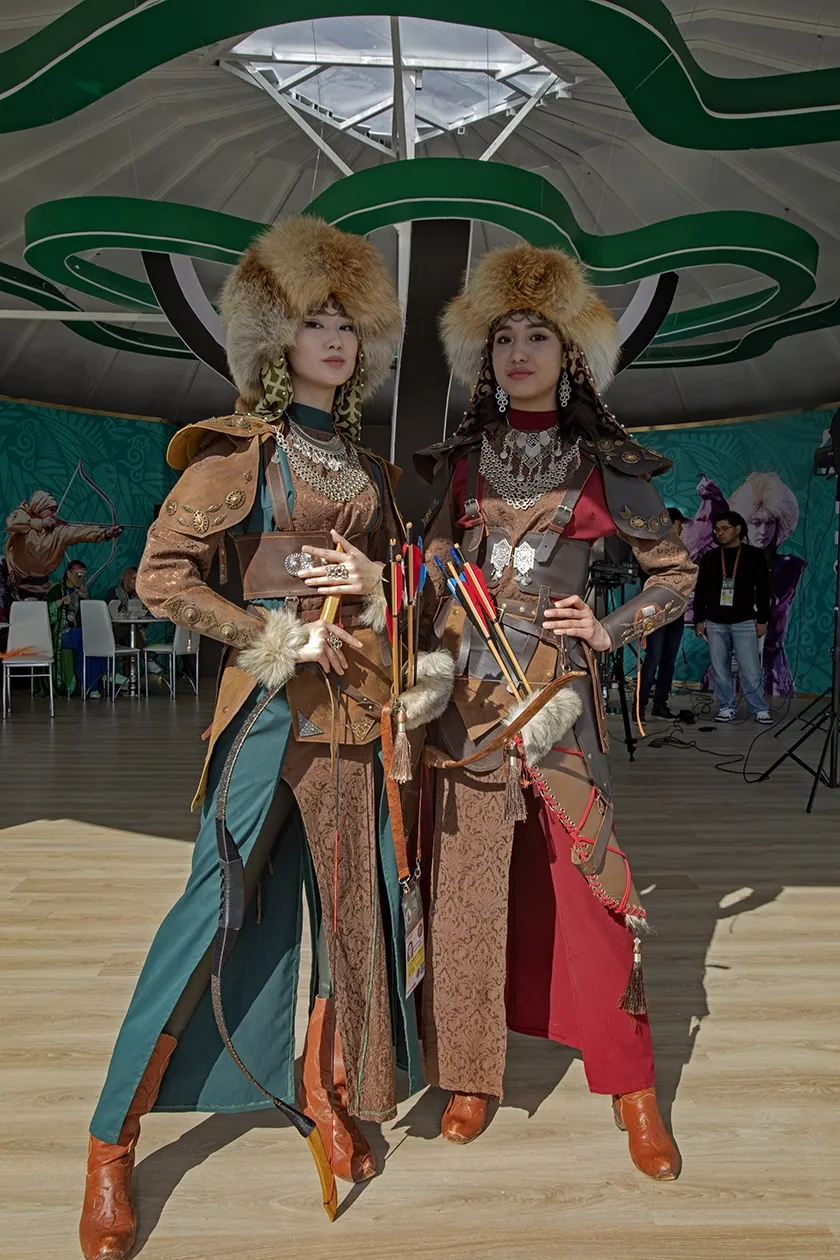
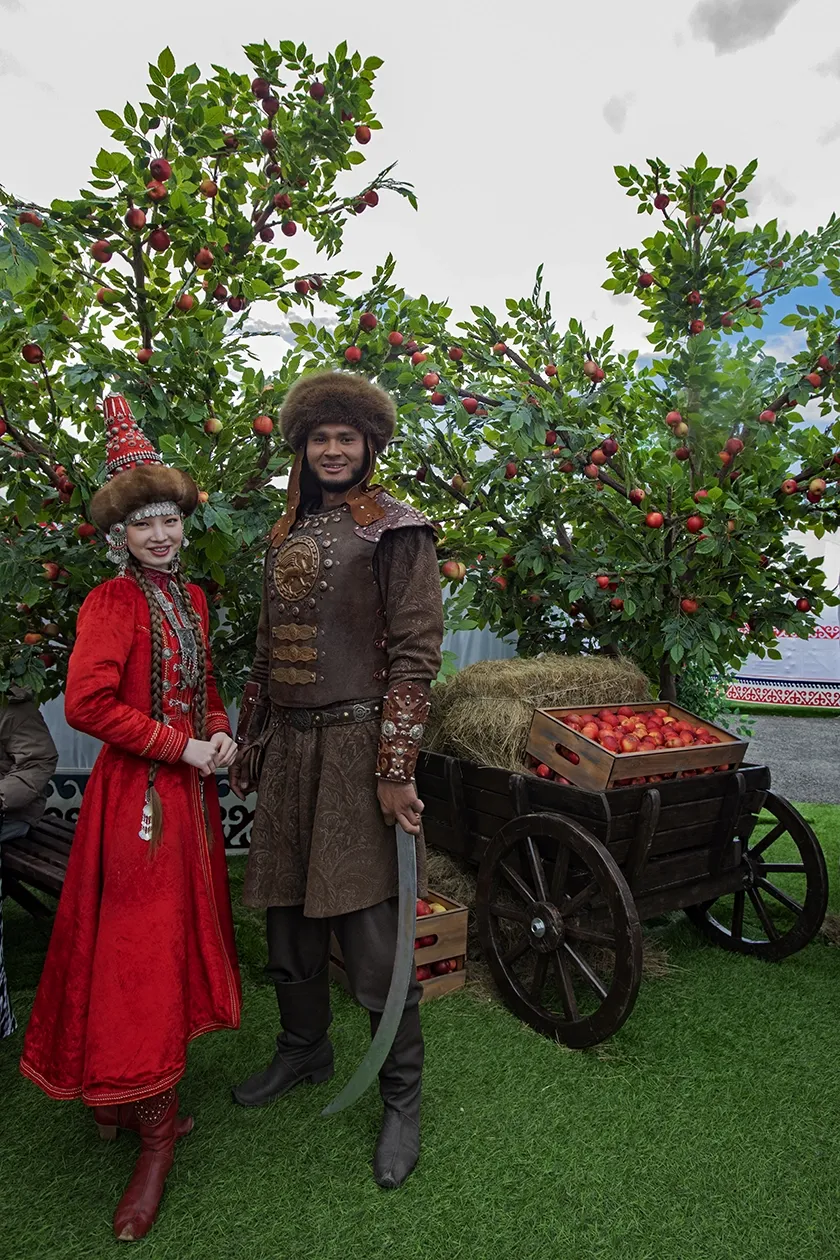
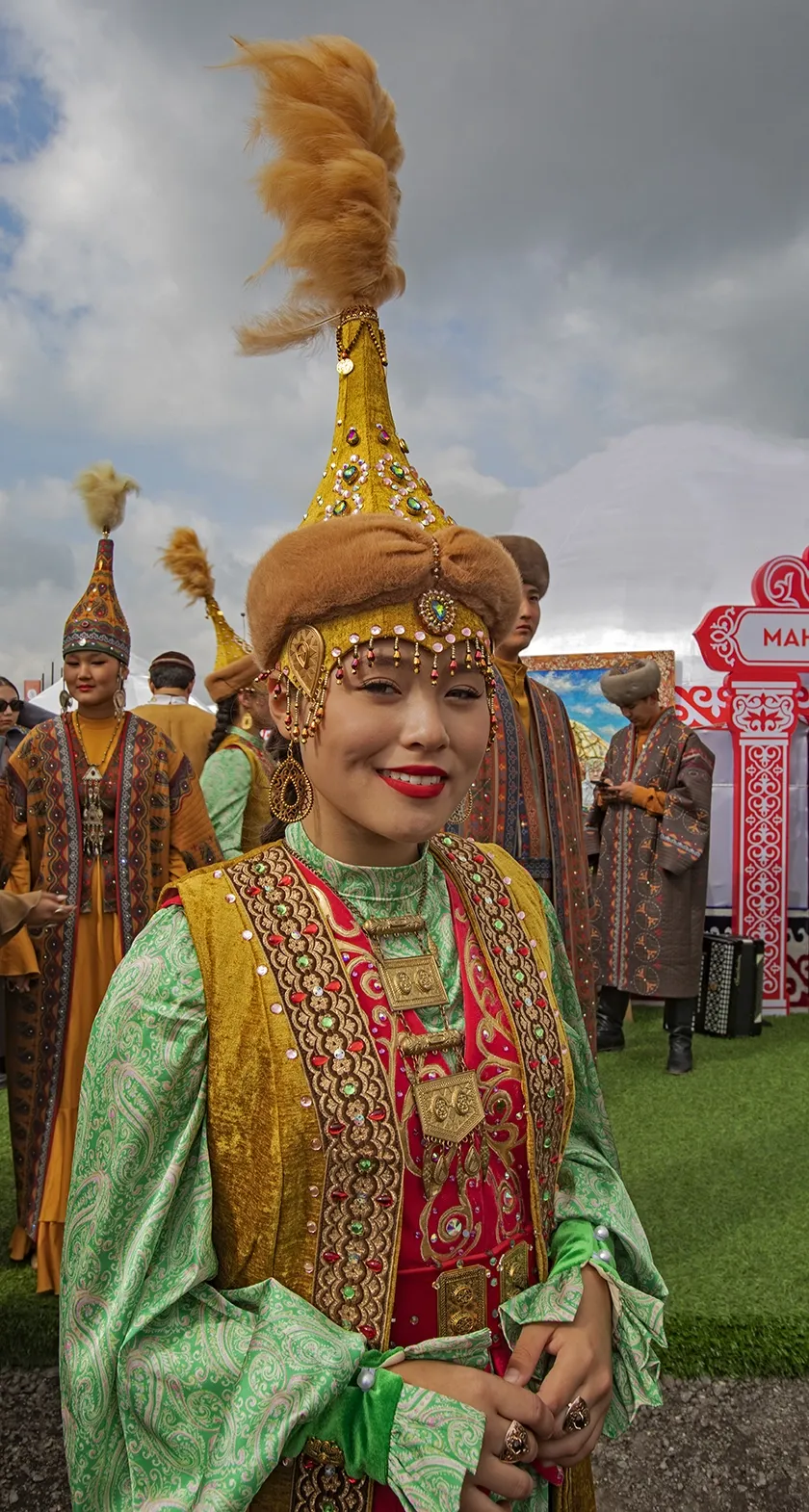
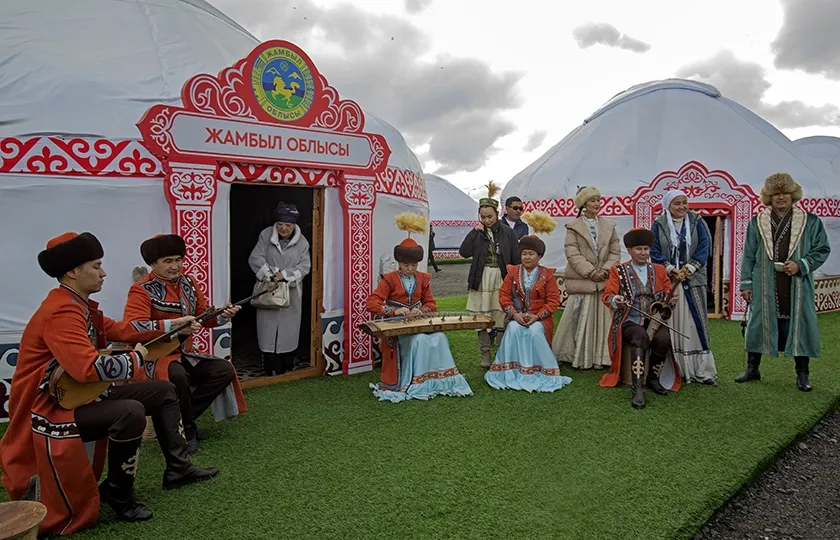
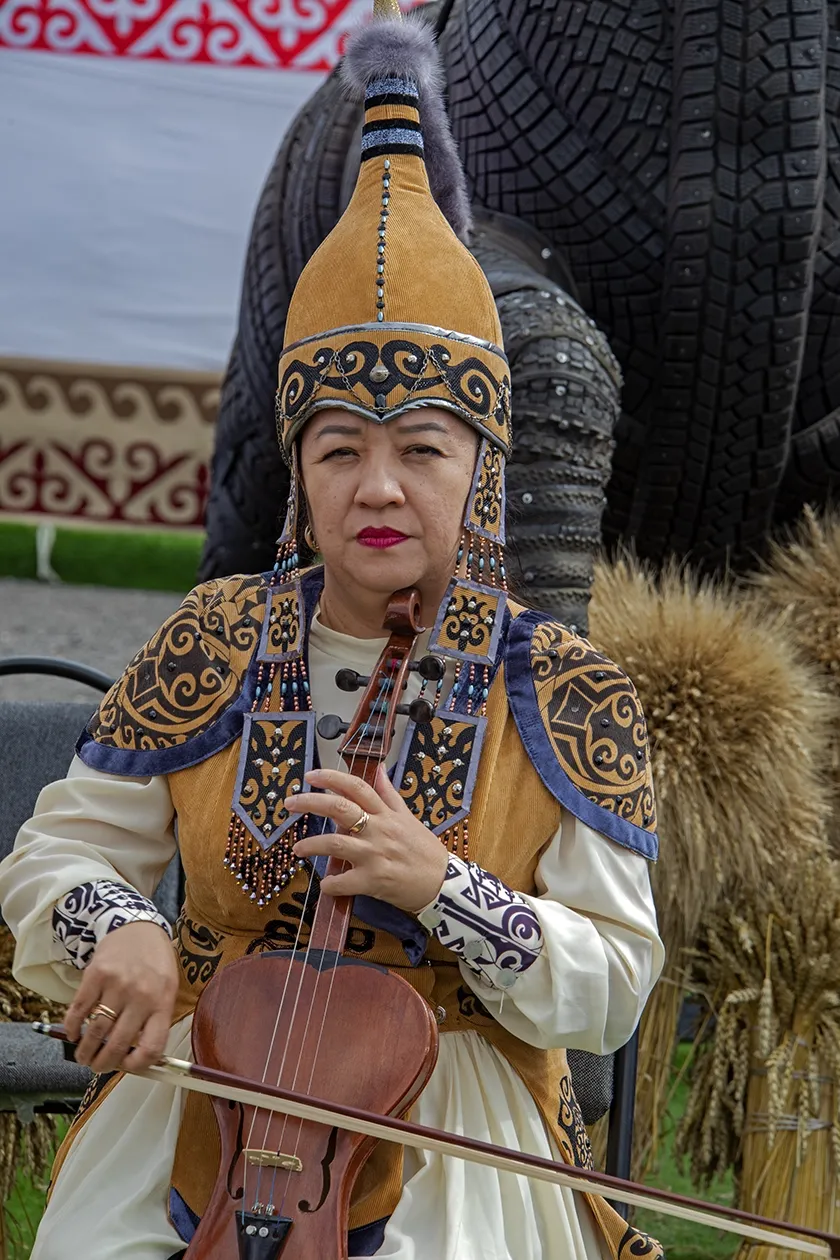
In the Nomads’ Universe, as the ten-hectare site was also known, each day began with a grandiose Shattyk kerueni (caravan of joy) parade, a prelude to the rich cultural heritage and traditions of the Kazakh people. Coming from all over the country, the Kazakhs set up their yurts (dwellings used by nomads) and were happy to show you the interior and their way of life. Dressed in traditional costumes, the men, of considerable stature, whom we had only seen in Mongolian films, and the women, of extraordinary beauty, showed incredible patience and were always eager to have their photograph taken with anyone who asked them to do so. Even with us, the photographers, who made them pose several times and in different ways until we got the desired picture. And on many occasions we were kindly invited to wait, because there was a long queue of people waiting for a souvenir in the form of a snapshot.
More than 100 cultural events took place in Etnoaul, from concerts to craft fairs, exhibitions and aitys competitions, the traditional performance of oral poems recited or sung to the sound of traditional musical instruments such as the dombra, which is included in the list of Intangible Cultural Heritage of Humanity, or the traditional cooking festival where visitors could participate in the preparation of food and drinks. Even the well-known photojournalist Jimmy Nelson set up a photo studio in a yurt.
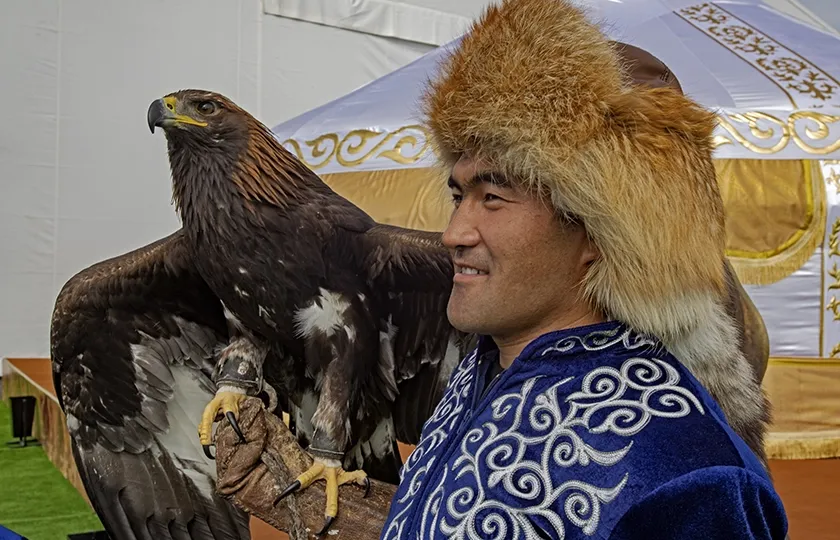
Gastronomy could not be missing in Etnoaul and Shygys bazary (oriental bazaar) was opened, where it was possible to taste and enjoy authentic Kazakh delicacies and delicacies from all regions of the country. We also had the opportunity to purchase souvenirs from this trip at Sheberler Auyly (Craftsmen’s Village), where over two hundred craftsmen from all over the country displayed their wares and shared with visitors the secrets of their trade. Master classes in jewellery, leather processing and ceramic sculpture were also available. There was also space for the little ones in the Balabar alany children’s playground, where they could have fun with traditional games and attractions, always with a marked pedagogical sense.
The aim of the World Nomad Games and all the events that took place in Etnoaul was to raise awareness of the country’s cultural, ethnographic and gastronomic heritage, national values and to promote its national brand: the history and culture of the people of Kazakhstan. But the best memory I took away from this trip was the hospitality and friendliness of the Kazakh people and their willingness to share their traditions with us.