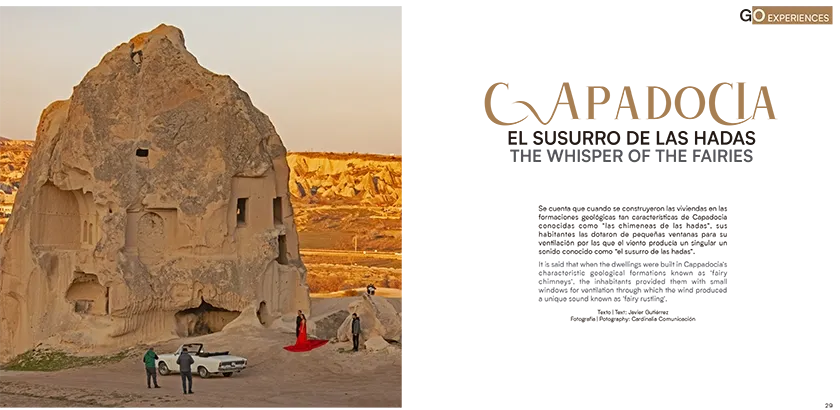
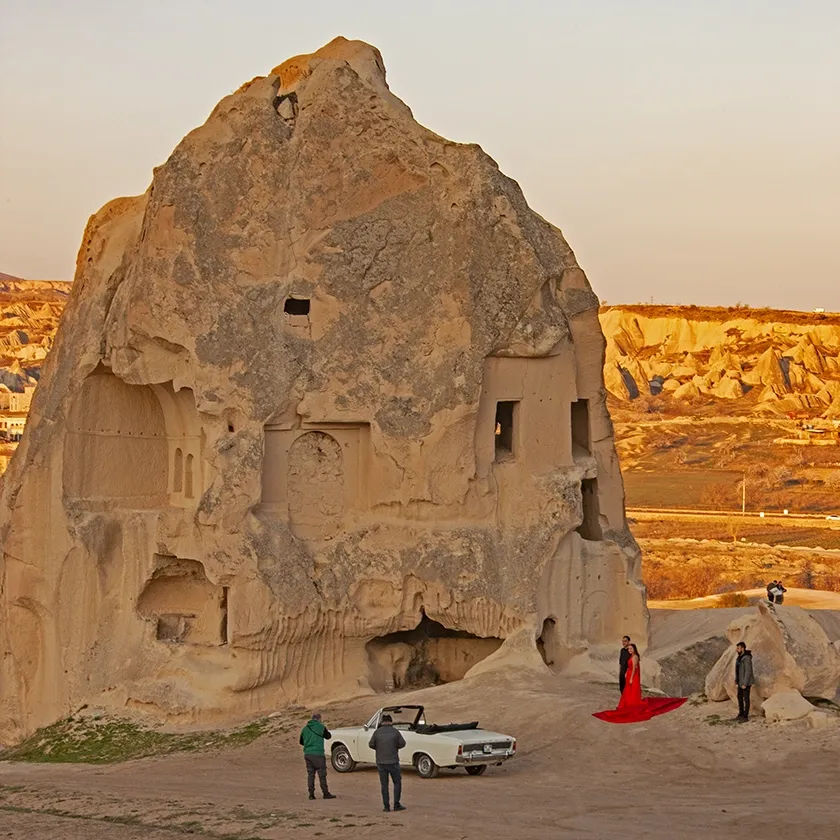
It is said that when the dwellings were built in Cappadocia’s characteristic geological formations known as ‘fairy chimneys’, the inhabitants provided them with small windows for ventilation through which the wind produced a unique sound known as ‘fairy rustling’.
These unique geological formations were created millions of years ago by wind, rain and ice erosion of the soft layers of lava and ash ejected by the Erciyes, Hasandağ and Güllüdağ volcanoes. Some of them are forty-five metres high, and in addition to dwellings, castles and even underground cities were created.
Everything in Cappadocia is surrounded by legends, such as the one that tells of a race of horses that roamed these lands in the past and which, according to popular tradition, was created by the Hittites. This famous people found themselves in need of equines to serve their interests, both as warriors and for transport to the battlefield. The legend goes on to say that not only did they find the desired breed, but it was also the most beautiful, which is why this region is also known as “the land of the beautiful horses”.
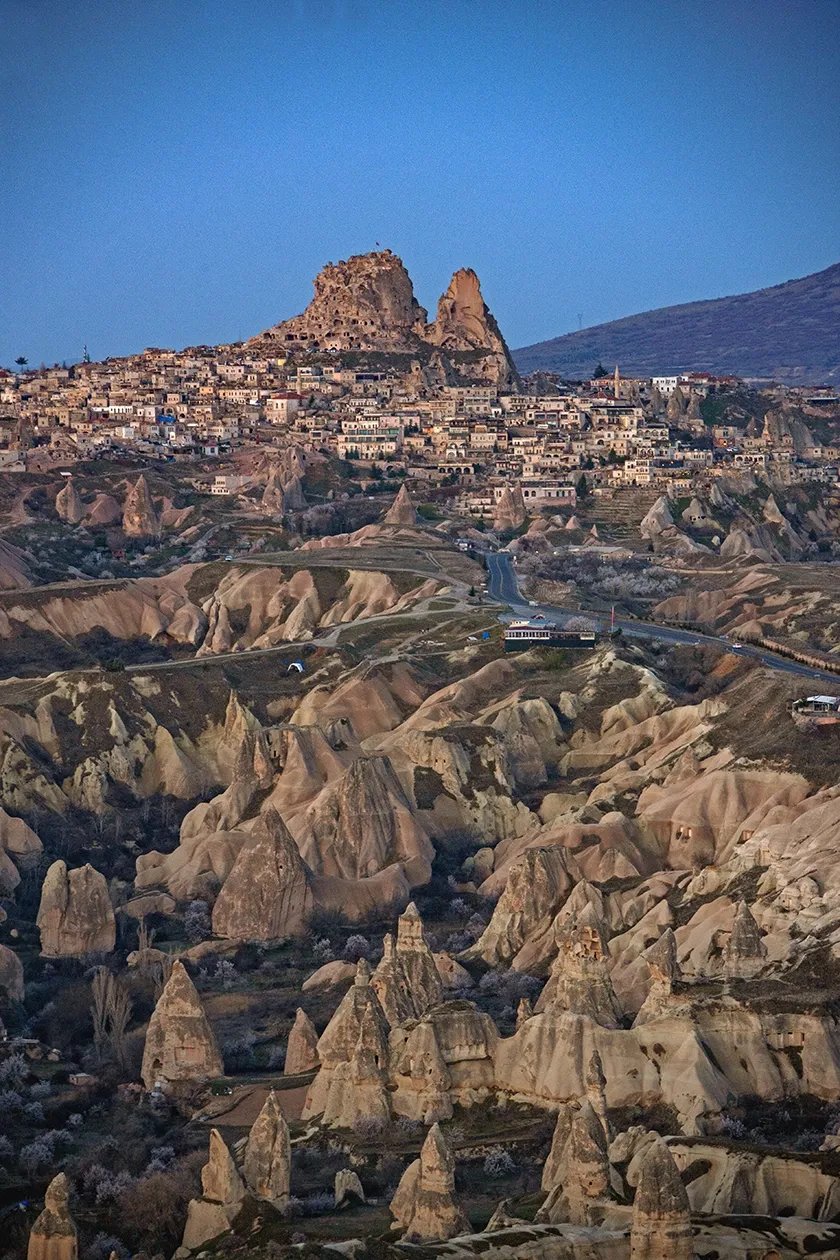
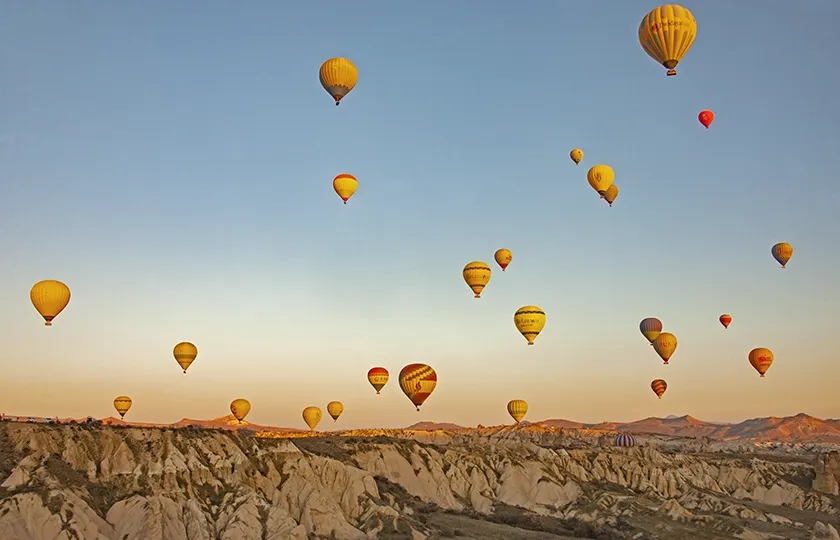
Fairy chimneys as seen from the sky
One of the most special moments of any visit to Cappadocia begins when the sun has not yet risen and the night is illuminated by the fire of the hot air balloon burners. It is time to climb into the basket, which in some cases can hold up to twelve people, and the ascent begins. Slowly the sun peeks over the horizon and the marvellous spectacle we are about to contemplate becomes visible before our eyes. The pleasure of enjoying the fairy chimneys is twofold, for in addition to the beauty of the landscape itself, there is the sight of dozens of hot air balloons soaring through the Cappadocian sky; a great multicoloured palette of approximately fifty balloons. If that sounds like a lot, you should see it in May or September, the two busiest months of the high season, when the number of balloons taking off each day can approach one hundred or one hundred and twenty.
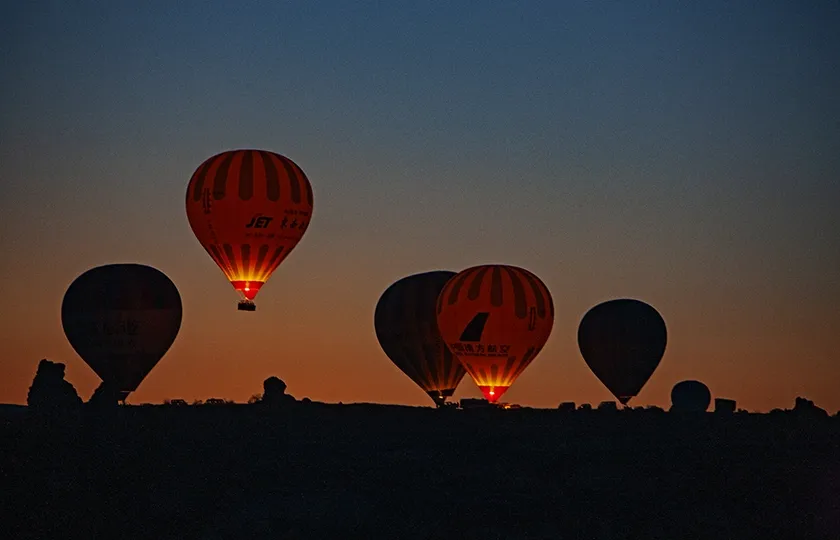
But if the animation is at its peak in the sky, it is no less so on the ground. In addition to the hustle and bustle caused by the companies offering these services, there are the curious onlookers who come to the take-off areas, or the newly-wed couples from all over the world who rent classic convertible vehicles in which they pose, with the balloons as a backdrop, to have their most special wedding photos taken.
Göreme Open Air Museum
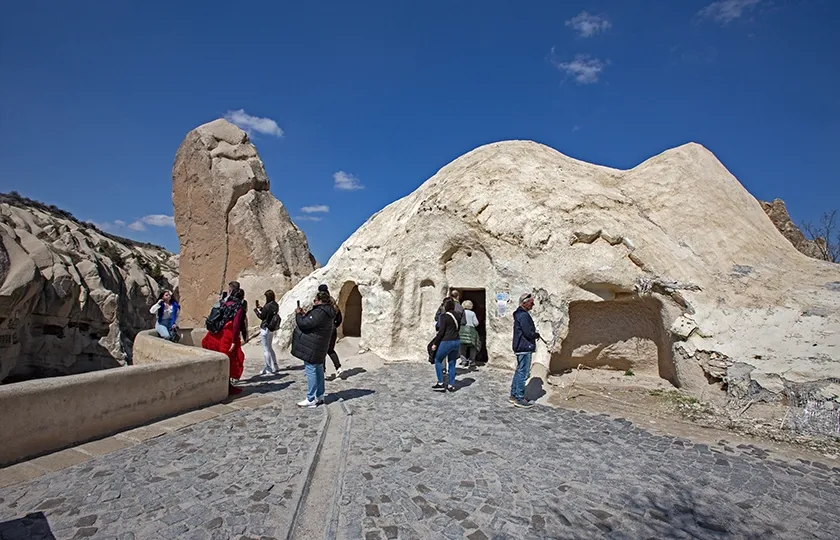
With no time to recover from the excitement from the air, we arrived at the enigmatic Göreme, declared a UNESCO World Heritage Site in 1985. It was here that the ideas of Christianity were unified by St Basil the Great and his brothers in the 4th century, as a result of which small cells were excavated and turned into churches beautifully decorated with biblical scenes. The most prominent are Tokalı Kilise, the Church of the Buckle, notable for its imported lapis lazuli stone decoration, and Karanlık Kilise, the Dark Church, built between the 11th and 12th centuries and decorated with frescoes depicting a Pantocrator and various scenes from the New Testament. The name “dark church” comes from the scarce light that enters through a small window, which has allowed its magnificent treasures to be preserved in perfect condition until the present day.
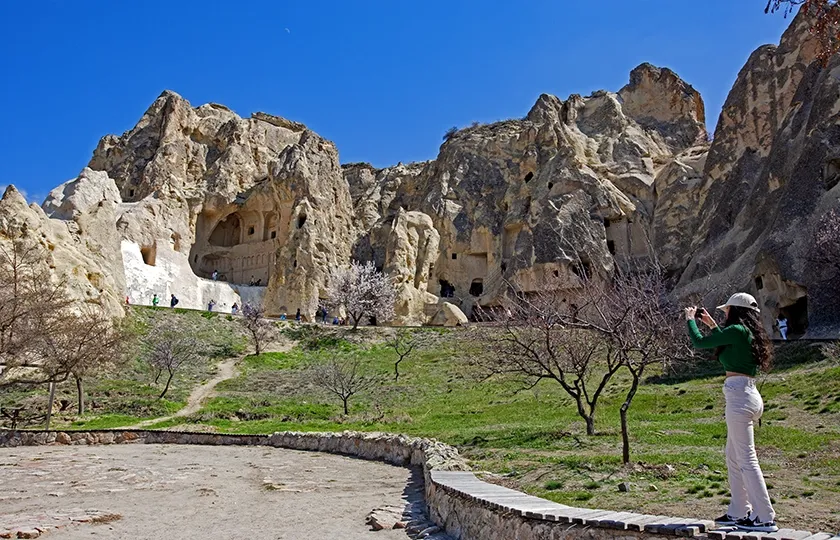
This historical and religious complex is completed by Elmalı Kilise or Church of the Apple, the smallest of all, built around 1050; Azize Barbara Kilisesi or Church of St. Barbara, an Egyptian martyr imprisoned by her father to protect her from the influence of Christianity; Yılanlı Kilise or Church of the Serpent, named after the fresco of St Theodore and St George slaying the dragon or serpent as depicted here; Çarıklı Kilise or Church of the Sandals, named after the two footprints beneath the fresco of The Ascension at the entrance to the church; Rahibeler manastırı or the Nuns’ Monastery and Aziz Basil Sapeli or the Chapel of St Basil.
From valley to valley and in between, a luxury jeweller's shop
The Godema Valley, also known as the Valley of Lovers, is another of the most visited places by tourists travelling to Cappadocia. The first refers to the resemblance of the geological formations to the male sexual organ and the second speaks of the promises of eternal love made here by couples in love, who seal their bond with small plastic jars in which they write messages, hanging them from the trees and the hearts that serve as a frame for the visitor to take a souvenir photograph. This is another of the sanctuaries to which the first Christians flocked between the 1st and 11th centuries, and the valley walls are full of residences, churches and shelters carved out of the rock.
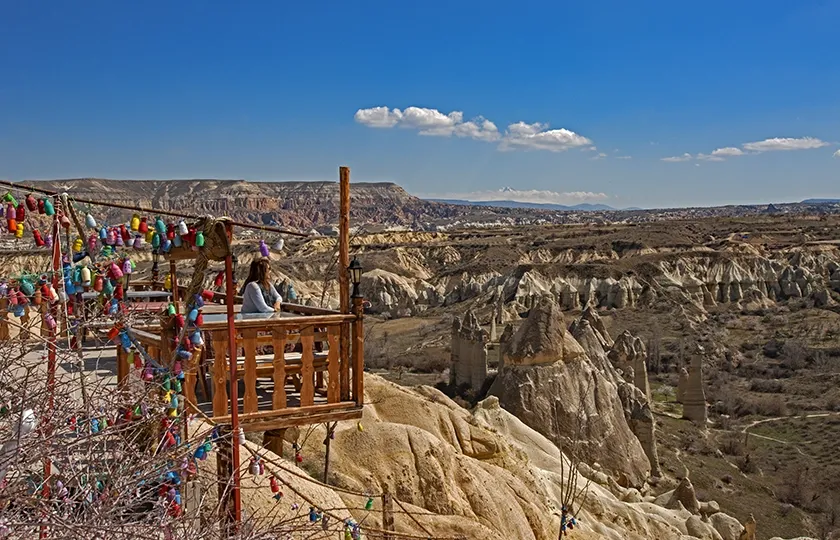
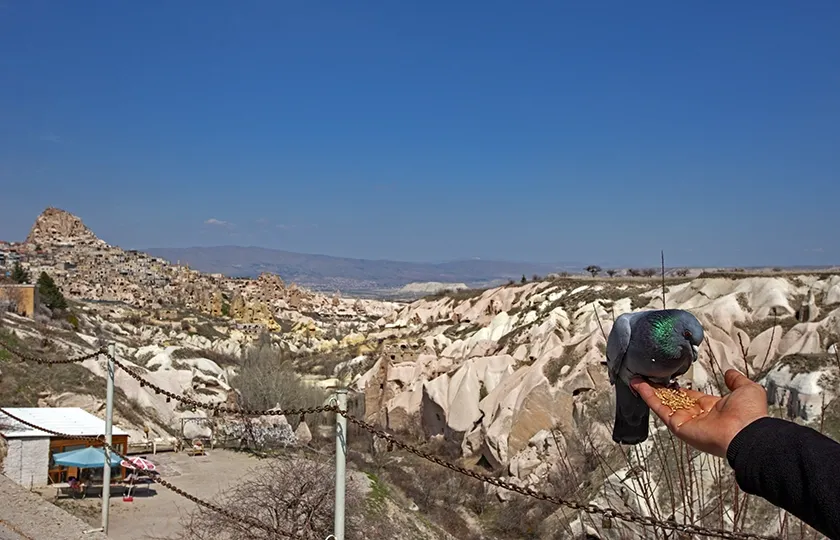
This evocative journey through the historic lands of Central Anatolia takes us to Uçhisar, specifically to the Valley of the Doves, protected from the heights by its magnificent castle, which is surrounded by shops and stalls with everything from carpets to dried fruit, marble ornaments, mirrors and nuts, giving it a special atmosphere. In addition to the views, it is worth walking along one of the most beautiful trails in Cappadocia that takes you into the evocative valley, crossing the open tunnels with the only sound of the water of the streams and the flapping wings of the pigeons that leave their nests and take flight, dodging the geological formations, making this a unique experience that you will remember for a long time to come.
If you want a more exclusive souvenir of your trip to Cappadocia, you will find it in Uçhisar. Right in front of the car park of the valley’s viewpoint is Göreme Onix, a designer jewellery shop where they masterfully work minerals such as onyx, a semi-precious stone of volcanic origin and very abundant in the area, as well as diamonds, zultanite, turquoise and quartz.
The fascination of underground cities
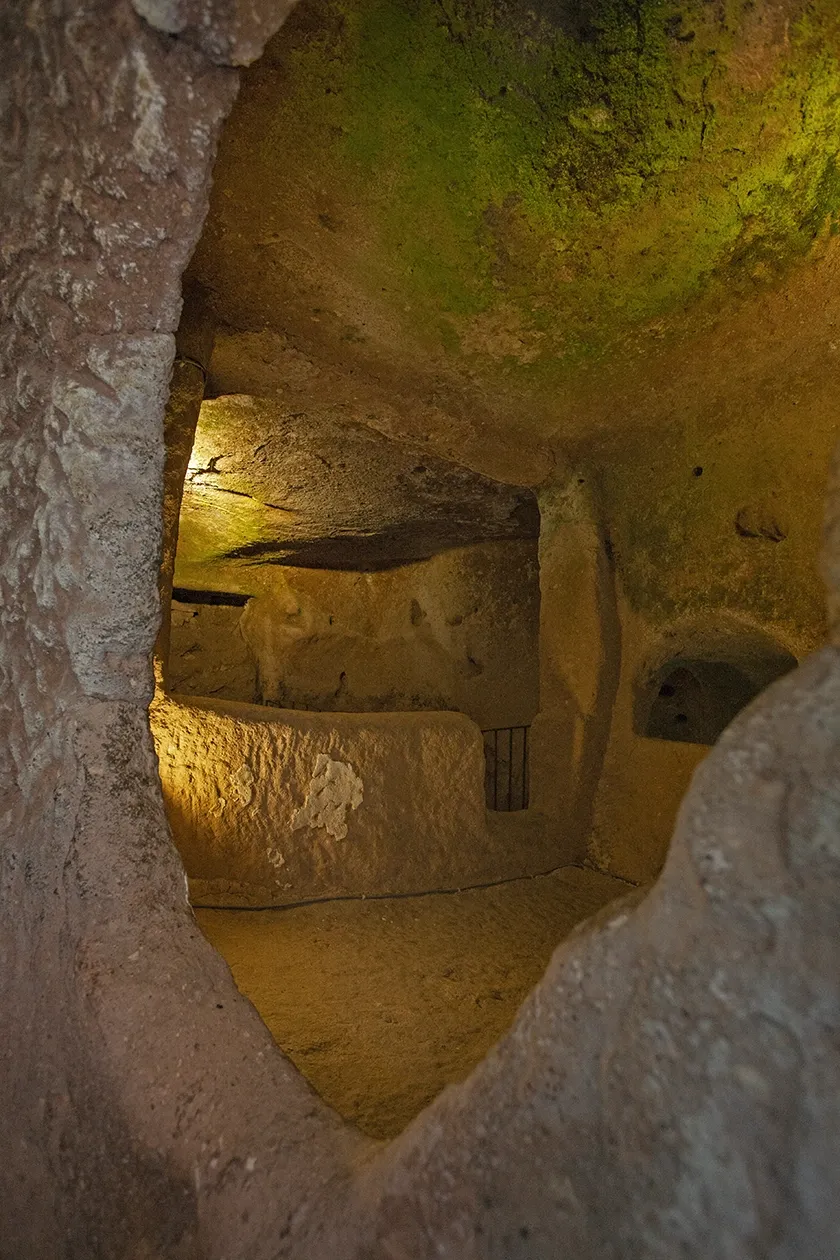
The ease of carving the soft tuff led to the proliferation of more than thirty underground cities that were used by the early Christians as hiding places. Interconnected by corridors, they were self-sufficient cities with barns, stables, living quarters, kitchens, ventilation systems, water wells and cisterns, with an estimated capacity to house some 20,000 people. The most famous are Derinkuyu, with a depth of approximately eighty-five metres, and Kaymaklı, with eight levels underground, although it is only possible to visit four of them. Both were declared World Heritage Sites by UNESCO in 1985. Less known but equally surprising is Özkonak, located 14 kilometres from Avanos, which, built on the northern slope of the Idiş mountain, has very narrow and long conduits connecting the different floors, chimneys that ensured ventilation, water wells, fountains and bolt stones as in Kaymaklı and Derinkuy.
Ürgup and Mustafapaşa, a must visit
Ürgup, the largest settlement in Cappadocia welcomes us with its inexhaustible wonders. Packed with hotels, restaurants and shops, its hallmark is undoubtedly its cave dwellings, some of which have been converted into cosy accommodation, as well as its attractive nightlife.
Just six kilometres from Ürgup is Mustafapaşa, formerly known as Sinassos. This small, quiet town off the main tourist route, where for generations a large number of Greek Christians, known locally as Rûm, and Muslims lived peacefully side by side, awaits the visitor with pleasant surprises both architecturally and culturally. The attractive mansions (konak) displaying majestic stonework and sculptural neoclassical facades, the minaret of a 17th century Seljuk mosque, the Ottoman-era Şakir Pasha Madrasa, the late 19th century Church of Constantine and Helen, as well as staying in the renovated traditional houses, tasting the genuine local gastronomy and the wines of the volcanic soil or discovering its doll and pottery handicrafts, are reasons enough to visit this town recognised by the World Tourism Organisation as one of the best tourist destinations in the world.
Textile and clay handicrafts from Cappadocia
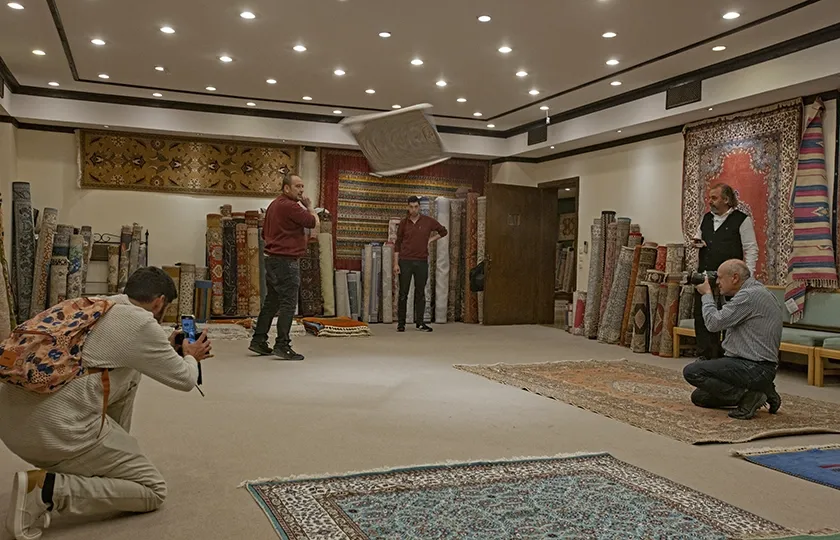
The textile tradition of carpets has its origins in Ürgüp and Avanos in the 18th century. With the development of tourism in the region, local traders who had started buying hand-woven carpets to sell in the big cities began to weave their own carpets for retail sale. Hand-woven carpets are still produced today and a good place to discover this ancient craft is Avanos Hali in Avanos, Nevşehir Province. In addition to purchasing some of the jewellery they make, it is possible to admire the process of making a carpet, while at the same time preventing this trade from disappearing and providing economic support for the women who work there.
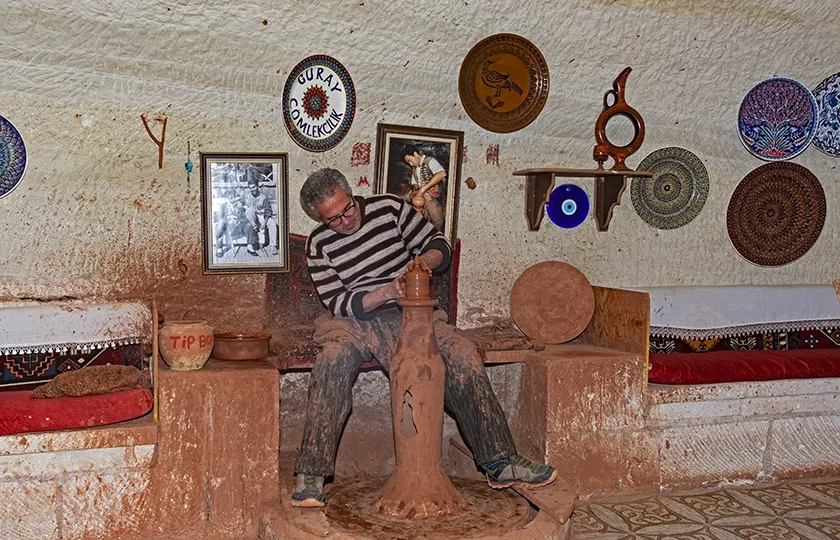
In Cappadocia they have been working clay since the time of the Hittites and skilled potters have handed down the secrets of this craft from generation to generation. One of the centres still keeping this tradition alive is Güray Seramik in Avanos, the largest in the region. The fifth generation of pottery craftsmen are fighting to keep this art from disappearing in this rock-hewn museum-workshop divided into two sections: the workshops in which they make copies of ancient pottery from the Anatolian culture, as well as modern works, and two exhibition rooms in which pieces from the Copper Age to the present day are on display.
Textile and clay handicrafts from Cappadocia
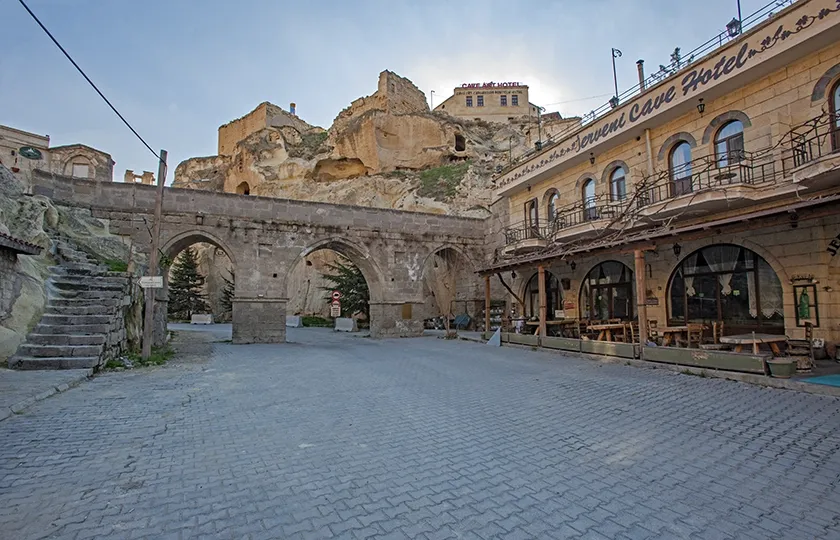
When looking for a hotel in Cappadocia, don’t miss the opportunity to stay in a cave hotel. Although there is a wide range on offer, not all of them retain the authenticity that comes from having been inhabited until the 1970s and 1980s. One of these is Utopia Cave Cappadocia in Ürgüp, an accommodation where modernity and history come together, with a splendid restaurant and a spa offering traditional and modern treatments.
Also in Ürgüp is Yunak Evleri Cave Hotel, a hotel carved into a mountain cliff with ten new houses, 136 rooms dating from the 5th and 6th centuries and a 19th century Greek mansion.
We do not leave Ürgüp without visiting Kayakapi Premium Caves – Cappadocia, the first boutique hotel in Cappadocia and located in the historic Kayakapi quarter, one of the first settlement areas in the city.
Another of these unique accommodations can be found in Göreme, the Cappadocia Cave Suites with rooms of different categories, from stone rooms to the most unique natural suites with fairy chimneys hundreds of years old.
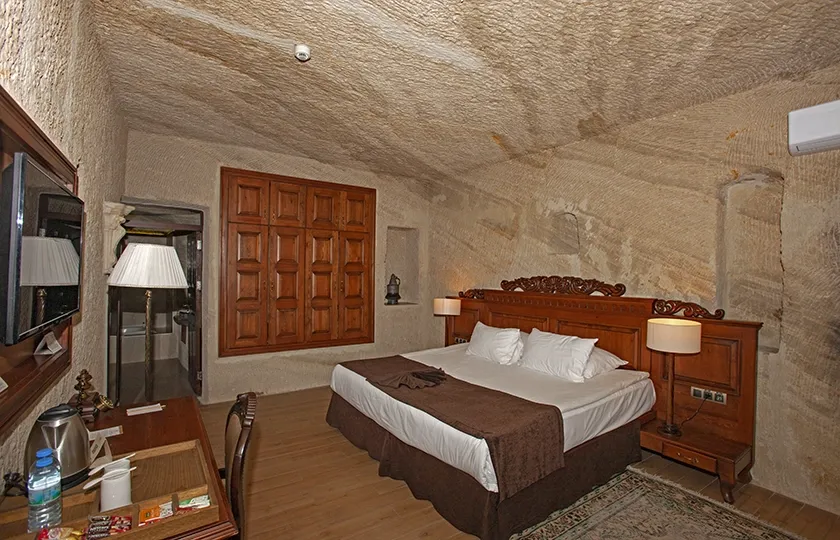
This review of some of the best accommodation in Cappadocia ends at the Museum Hotel, part of the Relais & Châteaux chain in Uçhisar. Open since 2003, it is the world’s first “living museum” concept hotel as it is decorated with historical works from the Hittite, Roman, Seljuk and Ottoman eras, all of which are registered in the Nevşehir Museum. Made up of many stone houses thousands of years old and caves that served as dwellings, stables or kitchens for Hittites, Persians, Romans, Seljuks and Ottomans, it has thirty-four rooms and suites, all different and exceptional in their own way.
Sabores y texturas al servicio de la deliciosa cocina turca en Capadocia ofrecen una amplia variedad de opciones entre las que elegir. Uçhisar is home to Kadineli Restaurant with its delicious traditional Turkish cuisine based on the highest quality seasonal produce. It is a restaurant run solely by women, thus ensuring them a salary by doing what they do best: cooking.
Also in Uçhisar is Lil’a, the Museum Hotel’s à la carte restaurant offering the best recipes of Turkish cuisine and the traditional and almost forgotten flavours of the region under the direction of Saygin Sesli, one of the most renowned chefs of the new generation of Turkish cooks.
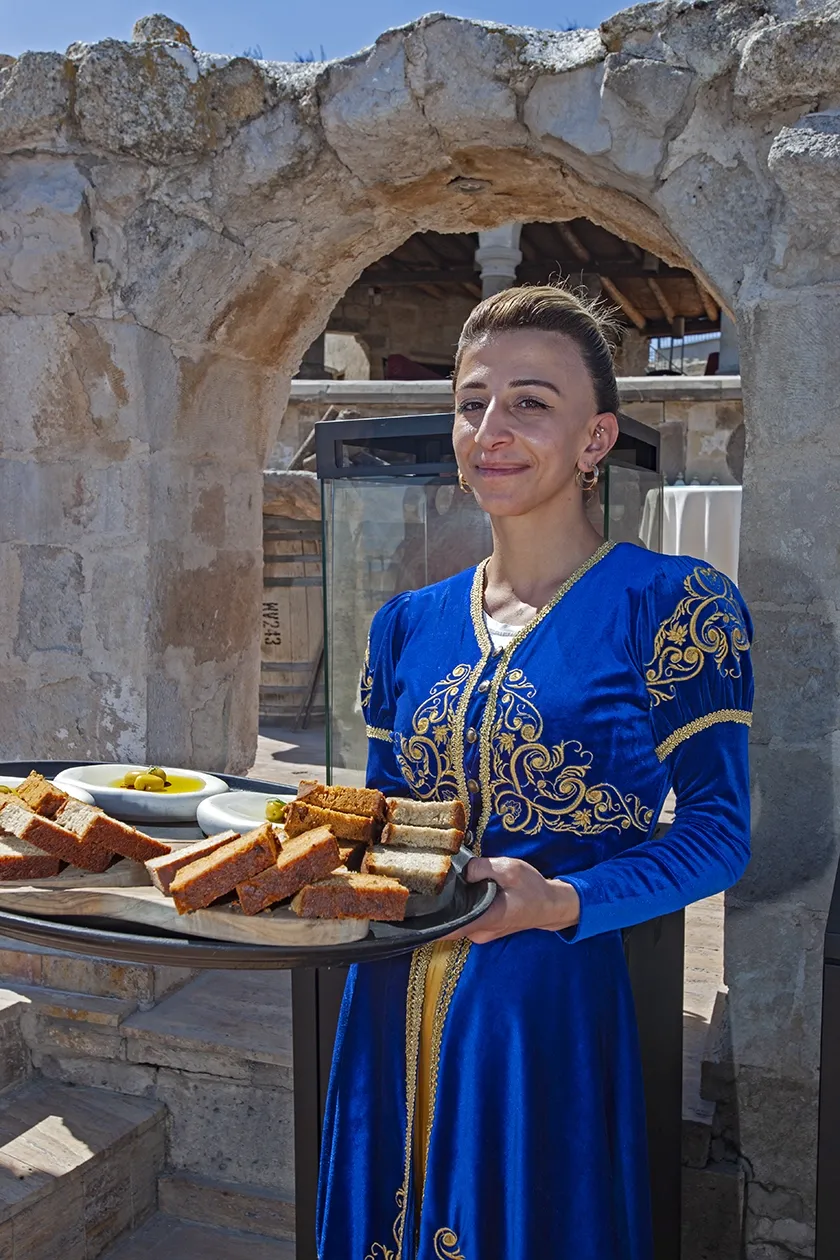
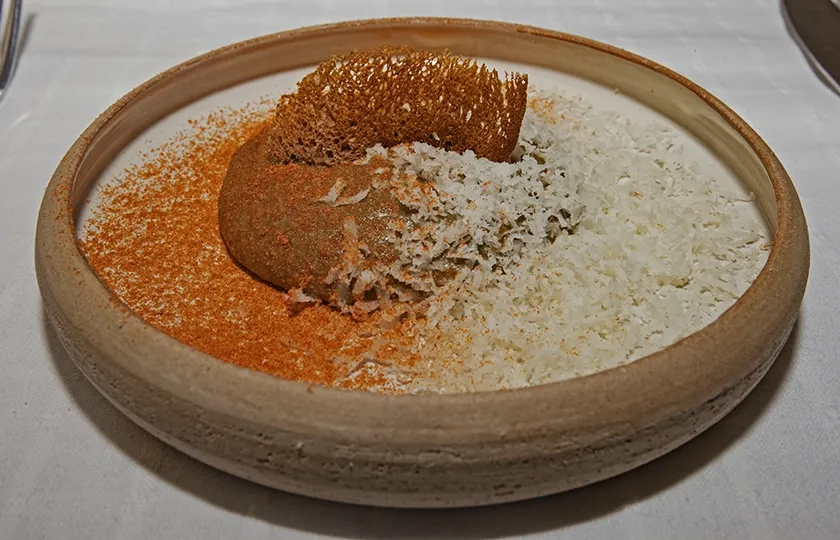
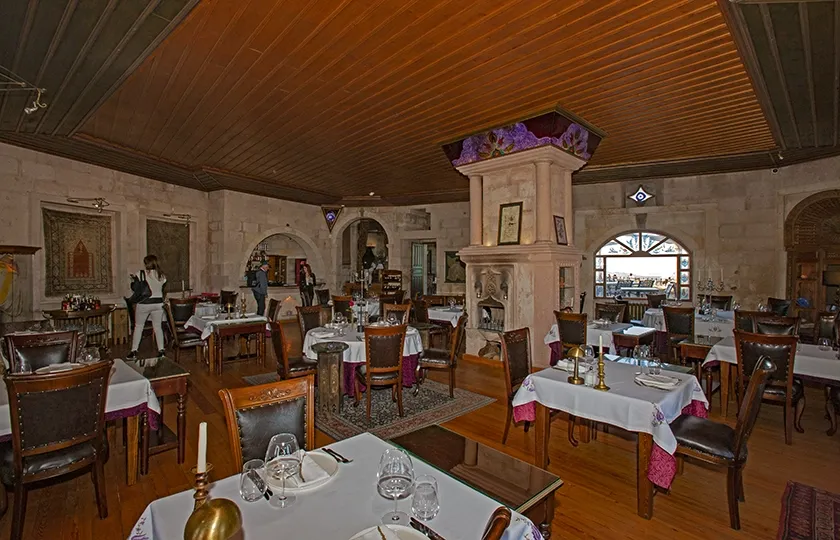
We finish in Ürgüp where Revithia, restaurant of Kayakapi Premium Caves, is the first and only restaurant with a tasting menu that offers Cappadocian dishes combined with wines from the region and Caverna Restaurant in Yunak Evleri Cave Hotel, where it is possible to taste popular dishes of the local cuisine such as ceramic kebab, grape leaves, ravioli…, all accompanied by the best wine of Cappadocia.