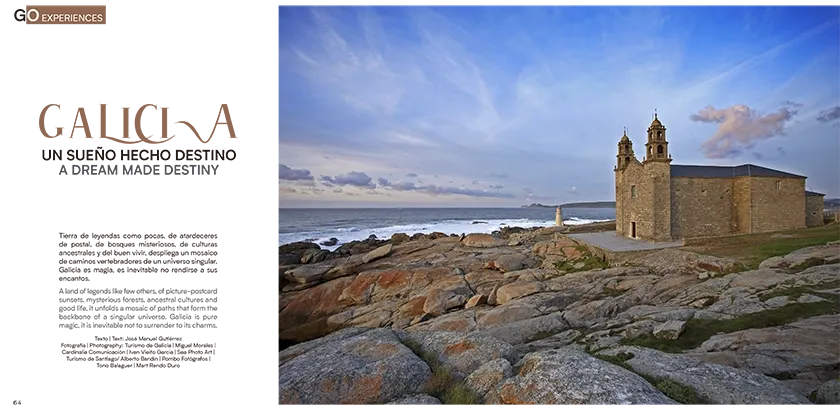
A land of legends like few others, of picture-postcard sunsets, mysterious forests,
ancestral cultures and good life, it unfolds a mosaic of paths that form the backbone of a
singular universe. Galicia is pure magic, it is inevitable not to surrender to its charms.
Its geographical location in the extreme northwest of the Iberian Peninsula led to contact with the Celtic peoples from Europe, who left a deep mark that still survives today. The land of a thousand rivers and twelve hundred kilometres of coastline is green and blue in all its hues. From springs and fountains to lakes, lagoons, rivers, estuaries, seas and oceans, Galicia smells of the humidity of the night inland and the saltpetre of its coast, it sounds of the dripping rain that here becomes art and the joyful sound of a bagpipe enlivening the pilgrimages and summer festivals. Galicia exudes peace, encourages us to reconnect with ourselves and tastes of natural products.
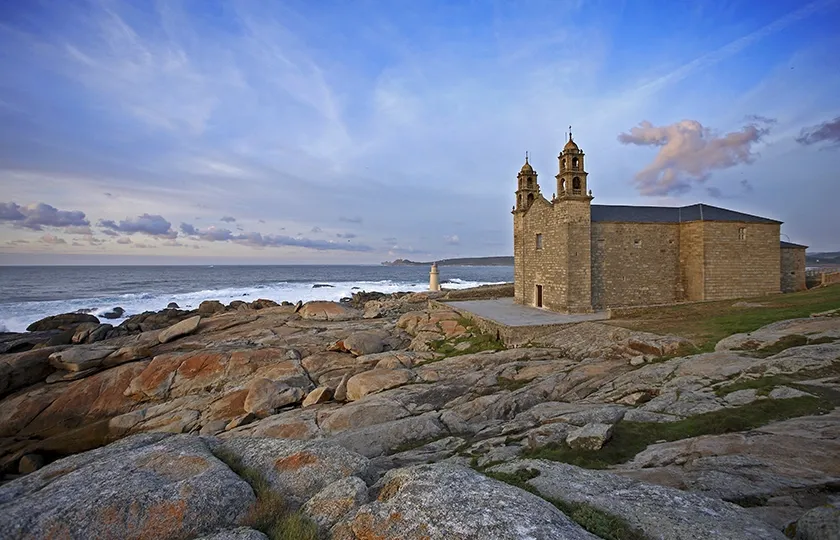
Embracing it unfolds landscapes that are almost unique in Spain, such as the famous estuaries that run along much of the coast or the most breathtaking cliffs where the force of the sea has carved the rocks at will.
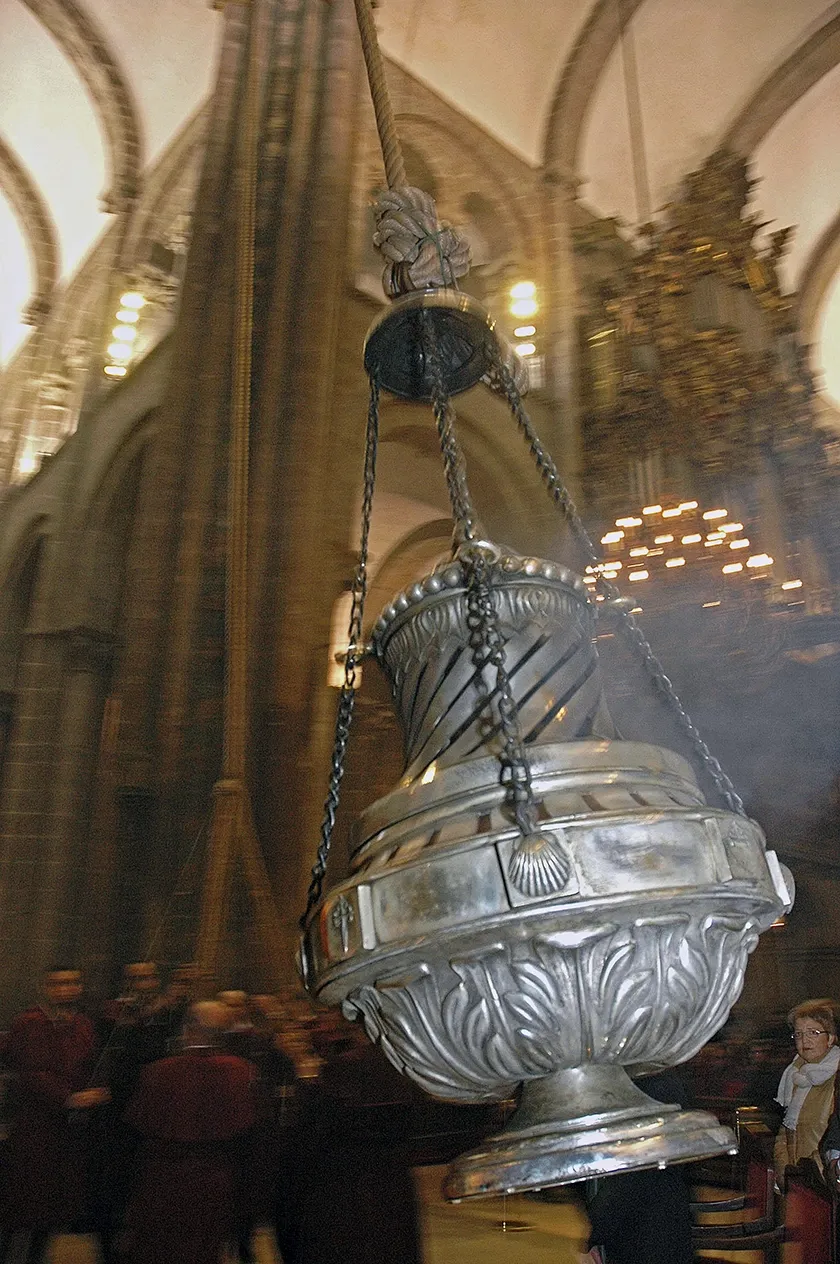
Galicia is also synonymous with the arrival of the many pilgrimage routes of the most important route of Christianity, especially when entering the Plaza del Obradoiro, at the foot of the cathedral of Santiago de Compostela.
Perhaps it is the sum of all these sensations that naturalises the emotion that Galicians call morriña, that longing for their homeland when they are abroad. But it is no longer only they who feel it, but everyone who has set foot on this earth and inhaled it serenely will experience, when leaving it behind, an intense desire to return.
A multifaceted destiny
Galicia has it all, although this is always an understatement.
It is absolutely impossible to pretend to know all its nuances in one holiday and each return is always different from the previous one. Everything here has unique connotations and never disappoints, those same connotations that touch the heart of every walker and invite them to return.
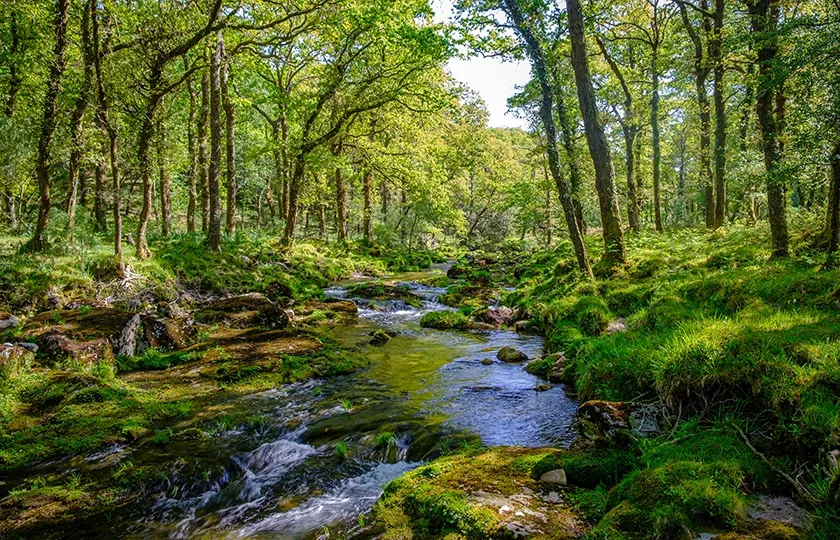
Discovering the Galician forests is the best way to begin that initiatory journey to disconnect from the frenetic everyday life and immerse ourselves in a haven of peace and nature. The humid air is mixed with the scent of trees, moss, dry leaves rustling as we pass and, in the background, the sound of the water that, through the rivers and streams, winds its way sinuously until it reaches the sea. It is important to remain attentive along the route, as these forests, many of them unfathomable, are home to fauna and flora worthy of admiration. Dense oak, holm oak, birch and chestnut forests that, immobile and silent, are waiting to give the best of each of their multiple ecosystems.
But if one deserves special attention it is the Parque Nacional Marítimo-Terrestre das Illas Atlánticas, home to the best beach in the world, better known as the beach of Rodas. Crystal-clear, calm waters, fine golden sand, a suggestive crescent shape and, protecting the beach, a pine forest give life to this natural wonder, once a refuge for pirates and today an example of conservation and sustainability.
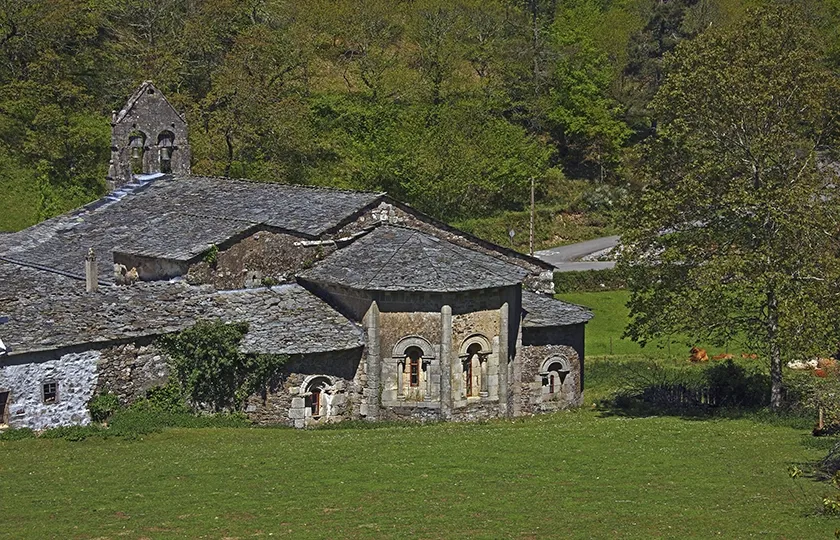
Faithful to this magical character, Galicia treasures an important hidden heritage, not because it is mysterious, but because it is less known and more rooted in its essence. This reality reinforces even more the desire to return and let yourself be carried away to the secrets of a land of small villages that keep their own treasures, both artistic and ethnographic: small churches belonging to ancient monasteries in the most remote rural landscape; its fields and mills, which seem frozen in time; villages and petroglyphs that lead us to imagine the life of the most remote Celtic ancestors; castles and fortresses that, still standing, transport us to the magnificence of other times.
Getting lost in the Ribeira Sacra or in O Ribeiro and getting to know part of its religious heritage, which is immense; visiting some of the largest concentrations of granaries in Galicia; taking a leap back in time and visiting forts or dolmens as impressive as Santa Trega or Dombate is just a small suggestion of all that this corner of Spain wishes to show, as a faithful testimony of a genuine and unrepeatable culture.
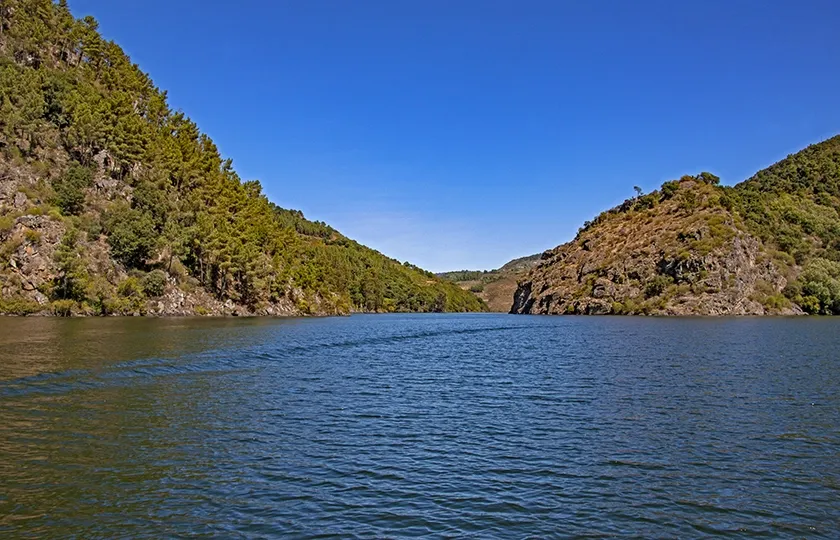
Galicia is also a land where the waters of the springs are miraculous, where the young women go to the waves of the sea to have offspring, where the stones have the power to heal, where the sun rises and dies every day in its sea, a land where its ancient inhabitants perceived something magical and special, where the perfume of healing plants and incense blend into a different aura. Only by opening our minds and souls will we be able to be moved when we visit the Magical Sanctuaries of Galicia: temples located in unique enclaves, where peculiar religious rites are mixed with the most ancient pagan legends. Come to these temples and make three wishes on the Route of Santo André de Teixido and other sanctuaries in the North of Galicia, take a tour of the holiest places on the Costa da Morte, walk along the same waters through which the body of the Apostle arrived in Galicia. Discover truly magical places steeped in centuries-old rites.
Galicia is also a seafaring land, so that one sound that never ceases is the pounding of the sea against the coasts, a fierce sea like few others and in which some claim to have seen mermaids, for in a magical land there must be mythological characters.
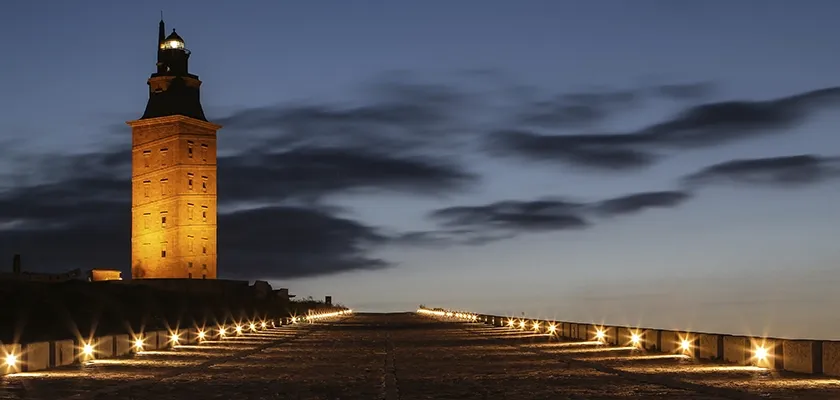
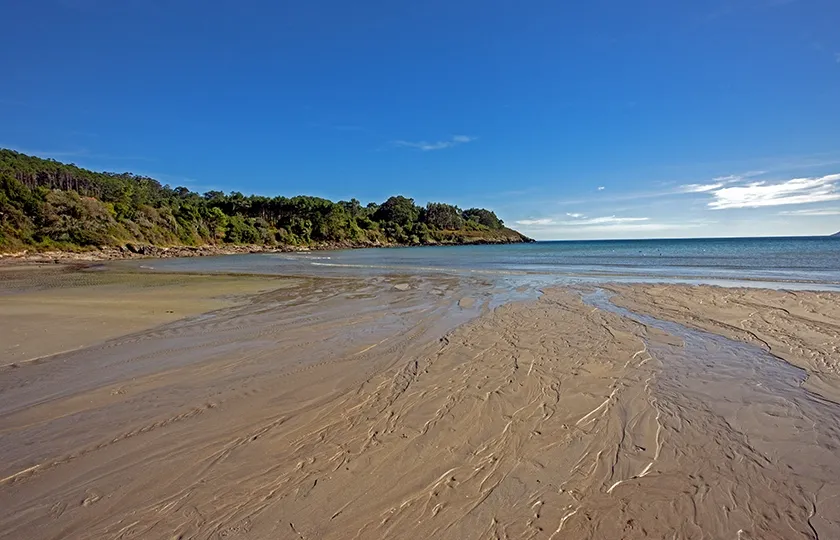
Tide after tide, the Galician coastline is shaped, giving rise to wild beaches, both in the estuary and in the open sea; endless stretches of sand, ideal for walking along with the gentle caress of the salty sea breeze on your face, feeling the damp sand under your feet. The coastline is unsurprisingly guarded by numerous lighthouses, lookouts in stunning locations that help vessels reach safe harbours day after day, while marking one of the most fascinating coastal routes on the continent. Travelling through it is a unique experience if, as well as admiring its beauty, you live it in a different way by immersing yourself in the sea, feeling the sea breeze while surfing, sailing the waters to places as impressive as the many Galician islands or simply leaving your footprints on the wildest sandbanks.
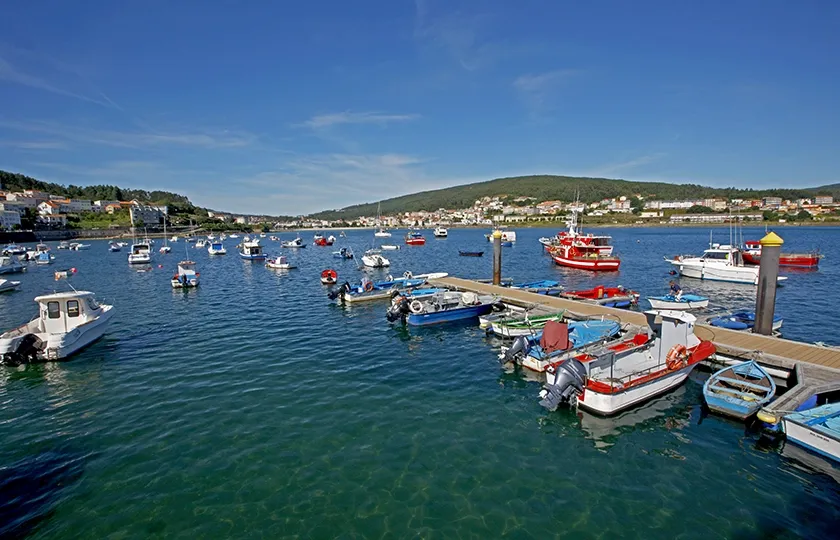
The sea in Galicia is not only culture, but also a new experiential scenario. Accompany the professionals of the sea on a day of fishing and then cook your own catch; visit one of the thousands of rafts where the best mussels in the world are produced; discover how cockles, clams or razor clams are “cultivated” on the beach following the advice of the shellfish gatherers themselves; to vibrate at the bravery of the goose barnacle workers defying the fierceness of the waves that break over the rocks; to experience the hustle and bustle of a fish market and learn about the particular auction system for the different products and to taste fresh fish and seafood next to the port are almost mystical experiences that are impossible to forget.
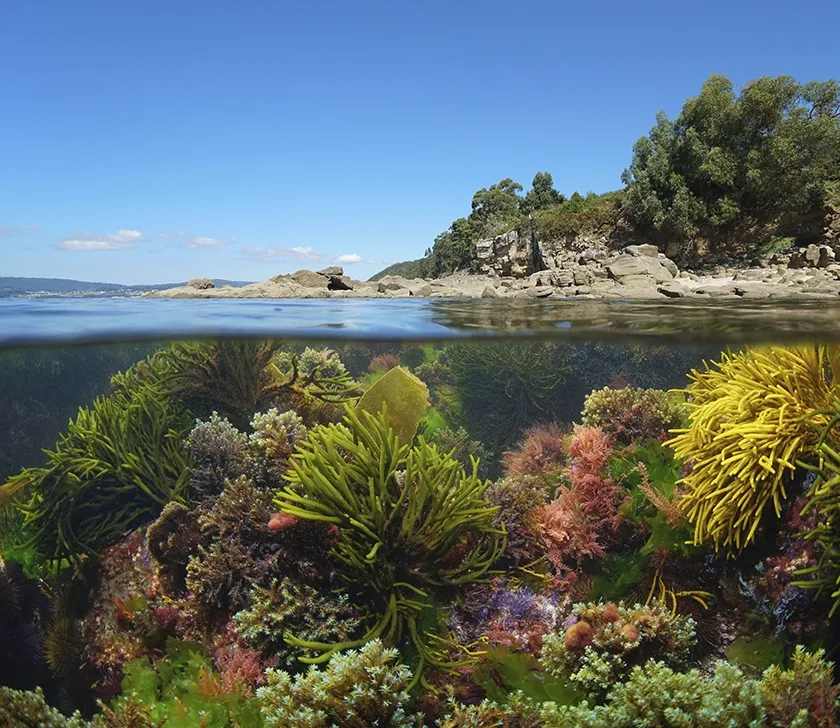
Galicia, a romantic land
When we enter the realm of emotions, words are scarce and it is difficult to describe the impression that a walk in nature leaves on us. Here the roads become poetry, and from verse to verse, they catch us with their intense emotional attraction. These are walks to fall in love with.
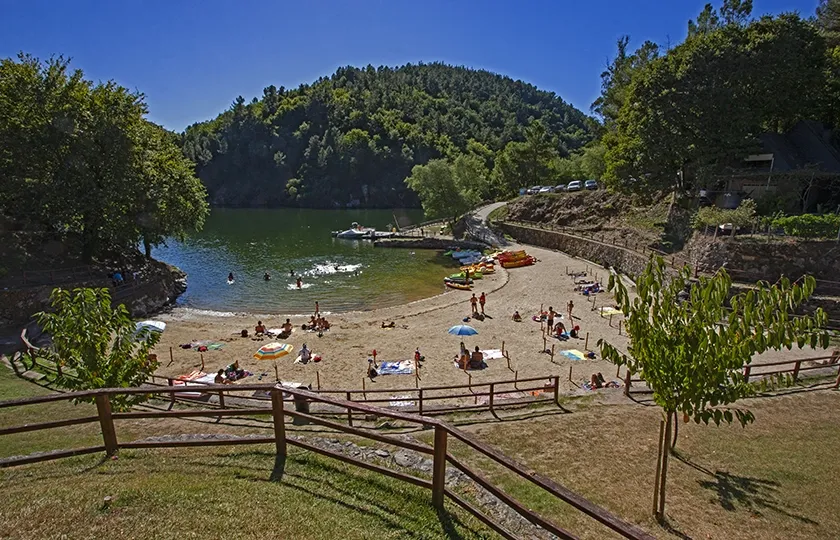
Whether contemplating the sea, on the riverbanks or discovering waterfalls, Galicia seduces us with its harmony of greens and blues, inviting us to discover a hidden heritage among forests and mountains. Sometimes an urban walk can steal our hearts. Who hasn’t felt a lump in their throat at the gleam of Santiago de Compostela’s cobblestones in the rain on a silent spring night?
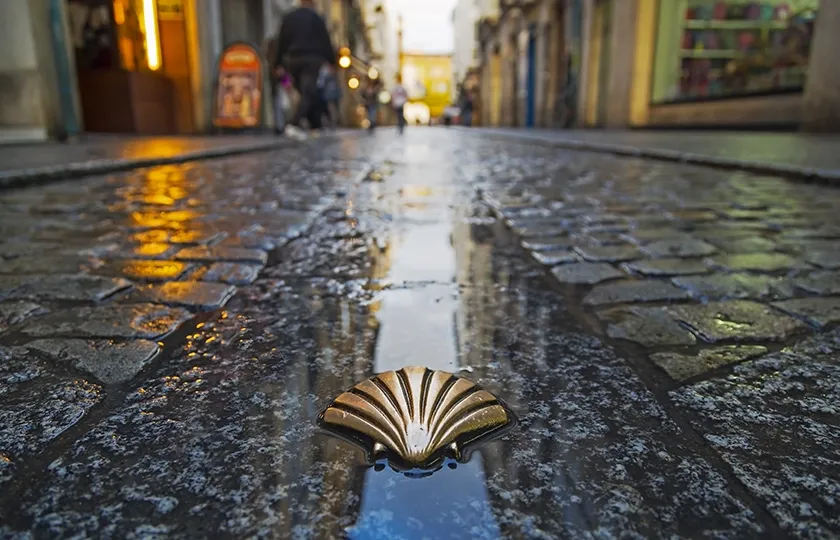
It is impossible to resist the dreamy exercise of the Camellia Route. They arrived in Galicia at the end of the 18th century from distant countries such as China and Japan to decorate the gardens of the manors and stately homes of the nobility, but over time they were introduced into gardens and estates until Galicia became an international benchmark in the cultivation and production of this plant. At present, the community treasures almost eight thousand different varieties of camellia.
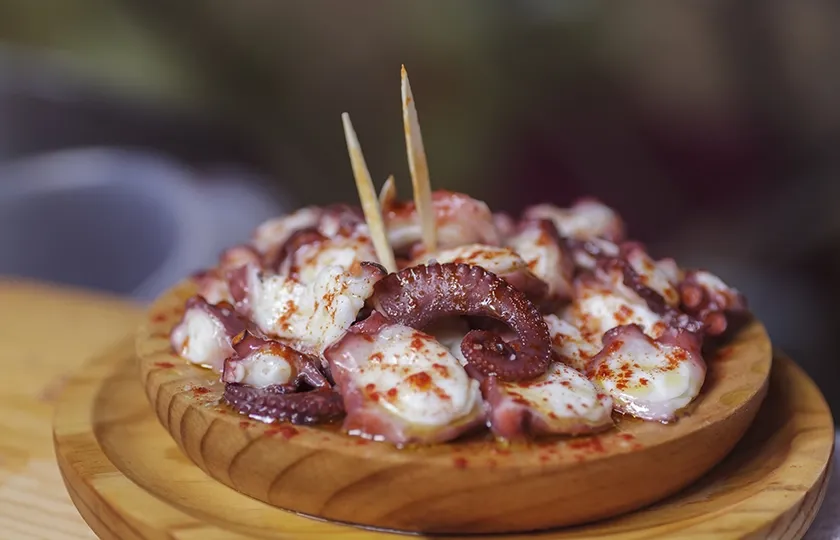
Galician gastronomy also has an emotional component, as it emanates from the most deeply-rooted popular wisdom and viticulture is part of it.
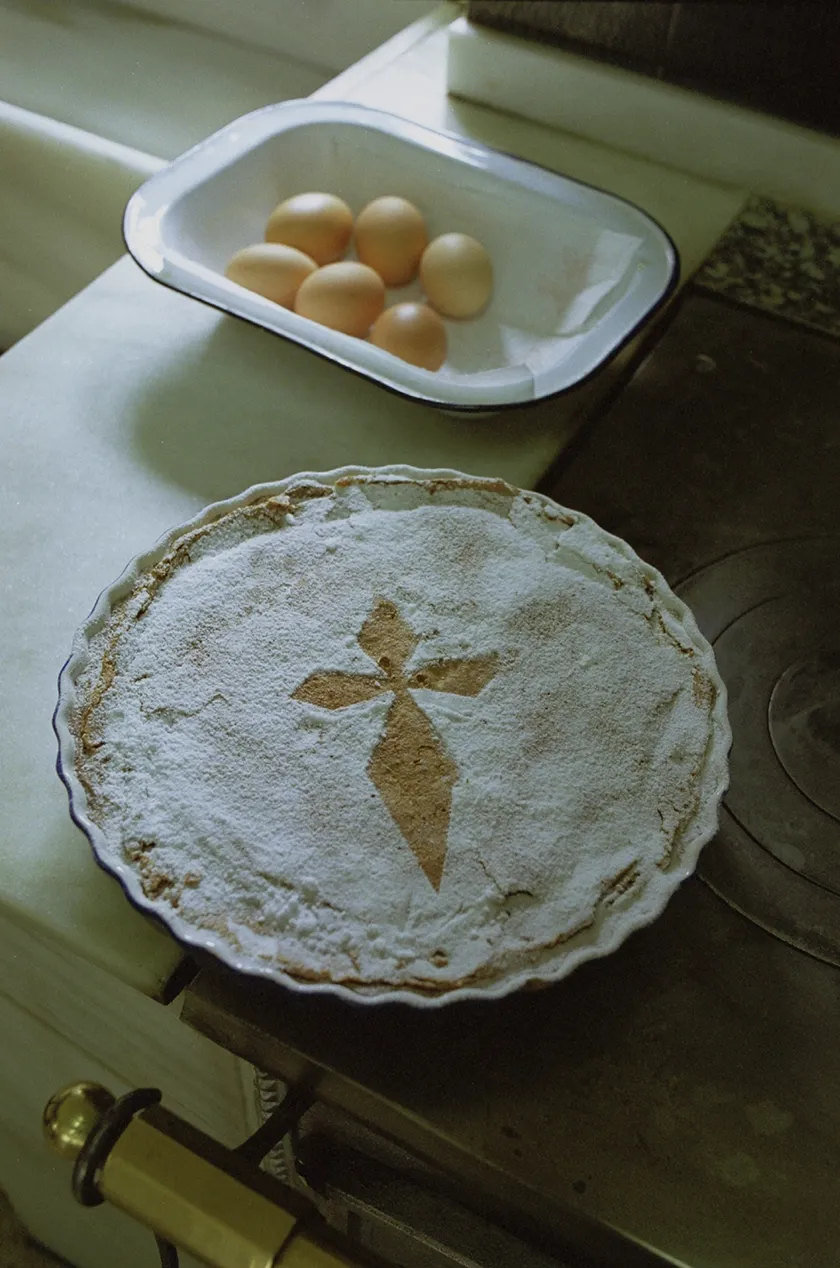
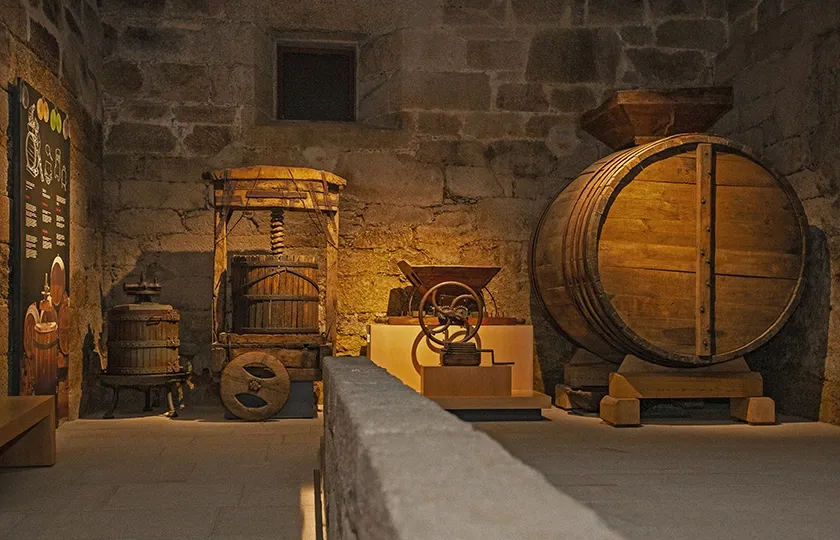
Discovering the secrets of Galician wines, strolling among vineyards on steep hillsides or by the sea, touring the most avant-garde wineries, the most stately and also those with the longest family tradition, brings us closer to a cultural legacy that is lost in time. Pazos, charming hotels, rural houses, spas and talasos take great care of the visitor, combining their offer with that of restaurants that display all the flavours of Galicia. Albariño, mencía, godello, treixadura… and up to twenty varieties of native grapes combine perfectly with the most exquisite delicacies in this land of fish, seafood, meat, bread, cheese, traditional desserts and a wide variety of liqueurs.
Galicia, the land that was once the end of the known world, is the place you always want to return to.