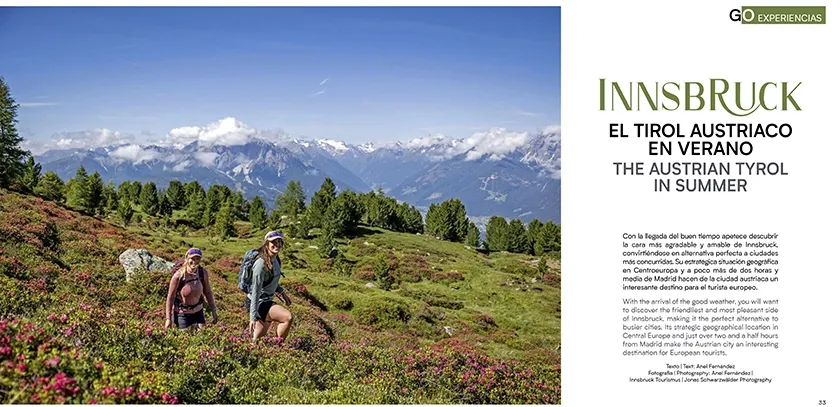
With the arrival of the good weather, you will want to discover the friendliest and most pleasant side of Innsbruck, making it the perfect alternative to busier cities. Its strategic geographical location in Central Europe and just over two and a half hours from Madrid make the Austrian city an interesting destination for European tourists.
Located in the valley of the river Eno, which is the river Inn in Western Romance languages, it is surrounded by high mountains that exceed 2,000 metres in altitude. Innsbruck was one of the imperial cities of the House of Habsburg, becoming a city at the beginning of the 13th century and supplanting Merano (Italy) as the capital of Tyrol in 1420.
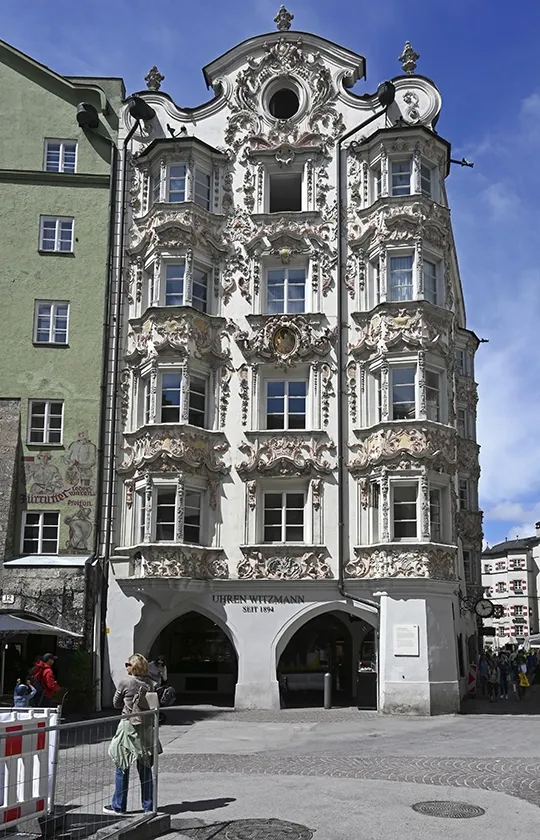
Indeed, the high mountains we mentioned earlier are the first thing that surprises us when we arrive in the city. As well as the picturesque coloured houses of the merchants on the other bank of the river that gives it its name, the cobbled streets, its numerous museums…
The history of the city is linked to big names such as Philippine Welser, daughter of the great bourgeois of Augsburg and wife of Ferdinand II, Archduke of Austria and Count of Tyrol and son of Emperor Ferdinand I, and Andreas Hofer, innkeeper, Tyrolean patriot and instigator of the rebellion of the Tyrolean highlanders against Bavaria and Bonapartist imperialism. We cannot forget Maximilian I, Holy Roman Emperor, the most well-known personality and the one who endowed the city with the rich heritage that currently adorns its streets and squares.
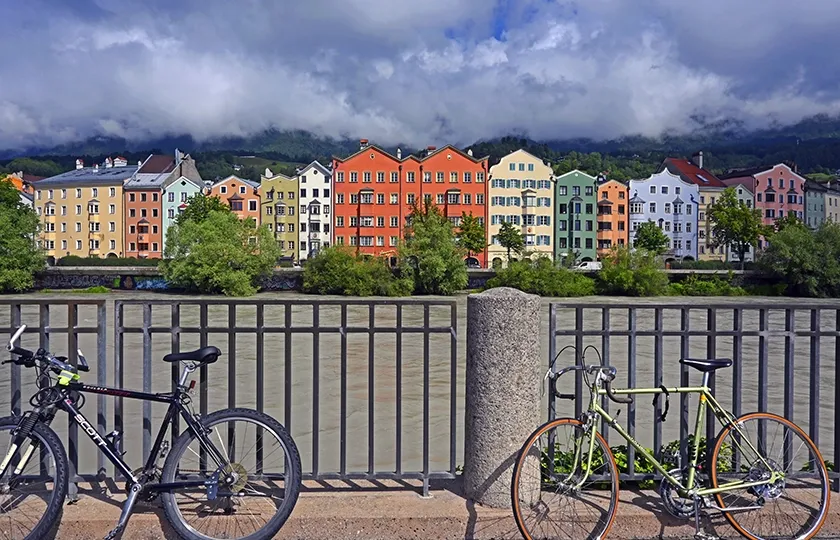
The cultural jewels of Innsbruck
The Golden Roof, with its 2,657 gilded copper tiles and fresco decorations and reliefs, is located in the old town. It was built by Emperor Maximilian I between 1497 and 1500 as a wedding gift for his second wife, Bianca Maria Sforza. She probably would have preferred some valuable piece of jewellery. Now it is one of the great symbols of the city. The eighteen reliefs, artistically carved in sandstone, were replaced in 1952 by copies, six of which can be admired in the Golden Rooftof Museum. This space uses animation and interactive elements to show the history of this unique building and its builder, Emperor Maximilian I, as well as the transition from the Middle Ages to modern times.
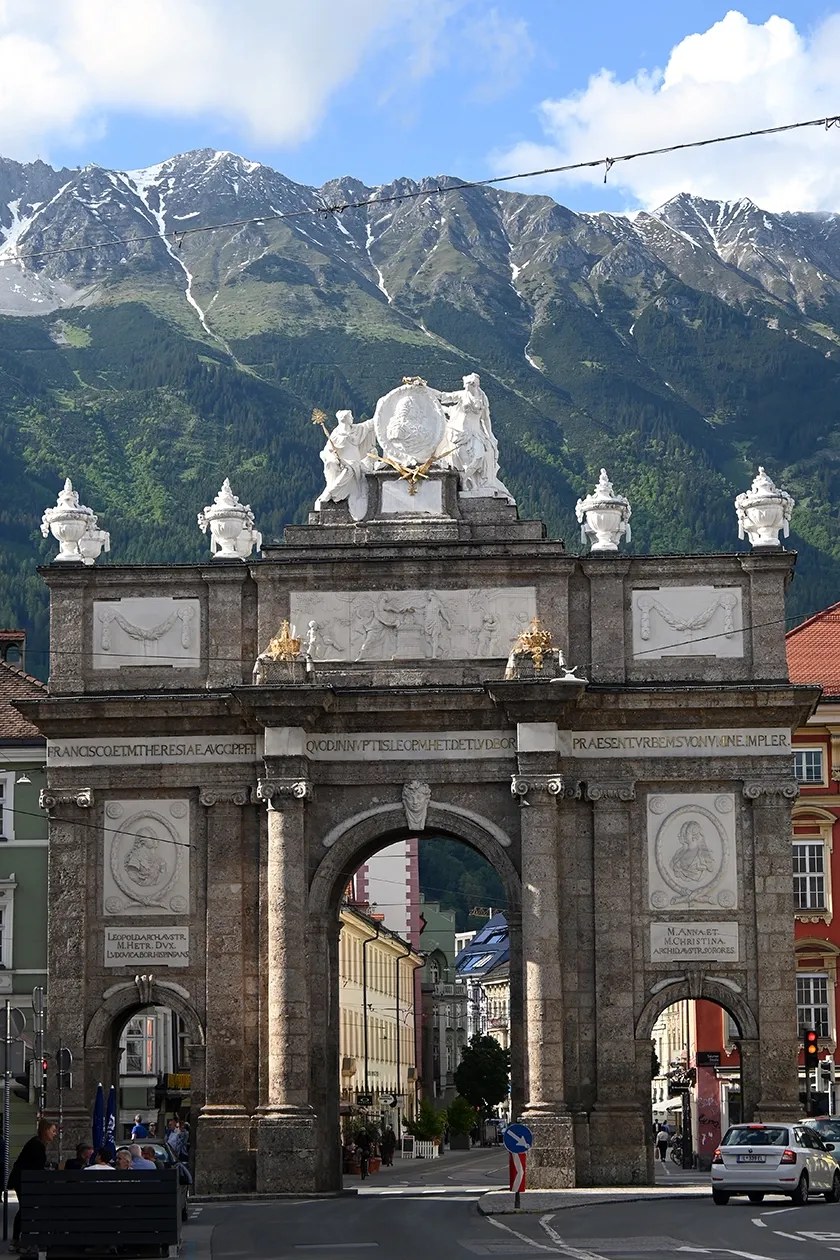
Another of the city’s monuments that we should not miss is the Arc de Triomphe, which tells a story of both happy and sad moments. Built with archaic rock from Innsbruck, known as Höttinger Brekzie and extracted from mines close to the city, it was commissioned by Empress Maria Theresa to commemorate the wedding of her son, Archduke Leopold, to Maria Ludovica of Bourbon in 1765. The wedding, which was celebrated in style on 4th August, was attended by two thousand guests, in reality mere spectators as they did not participate in the wedding banquet, and the events took place over the course of two weeks during which there were opulent banquets, opera concerts and large parties. This moment of happiness is narrated on the south face of the monument. But during the festivities, her husband, Emperor Francis I, died suddenly and tragically, plunging the empress into deep mourning and leading her to order that the chamber where he died be converted into a chapel. This mournful event is depicted on the north face.
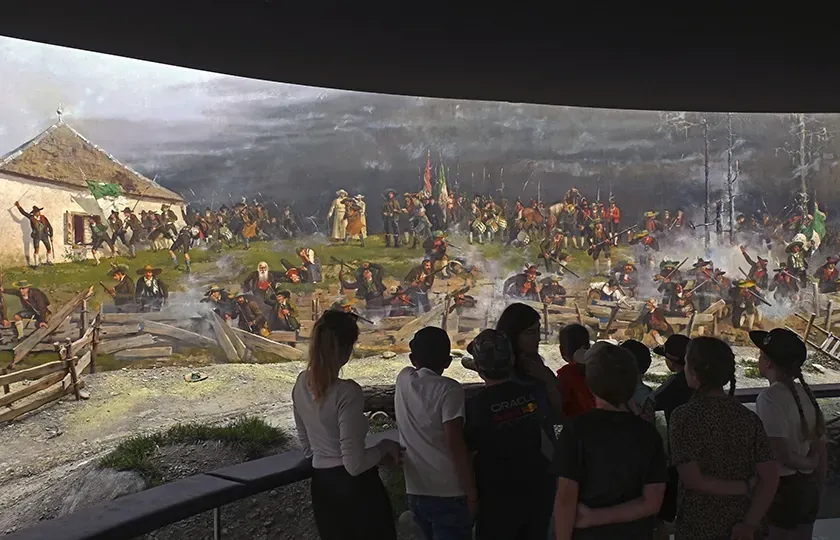
The Tirol Panorama Museum shows Innsbruck’s struggle to achieve independence. In 1806 Napoleon conquered Innsbruck and three years later Andreas Hofer, a forty-year-old innkeeper, organised popular militias and started the insurrection. The signal for the uprising consisted of a curious method: throwing sacks of sawdust containing messages about the insurrection into the river Inn, which the current carried through the villages, so that no one could intercept any compromising mail sent by land; the bells then summoned the militiamen with their weapons or even their farming tools.
In the museum you can admire a meticulous giant panoramic painting covering 1,000 m², which offers a 360-degree view of the fierce battles of the Tyrolean independence fighters against the Bavarian and French armies. The painting dates from 1896 and documents in great detail the facets that make up the “Tyrolean Myth”, showing landscapes and characters, the desire for freedom and the struggles to achieve it, as well as the close link with religion and with God.
On the other hand, the Imperial Hunters Museum exhibits a wide range of documentation on the military history of Tyrol from the 18th to the 20th century, which complements the dramatic events that took place on the Bergisel mountain, as well as the evolution of the old Austrian army and the imperial hunters of the 19th century. This exhibition space is completed with “Europaraum”, an interactive space that brings us closer to the current situation of Tyrol within Europe.
In the Imperial Palace the history of the Tyrol comes to life. Built in the year 1500 during the reign of Emperor Maximilian I, it had a late Gothic inner courtyard, the “Wappenturm” (coat of arms tower), large rooms for women known as “ Frauenzimmer”, a large reception room with arches and pillars, now called the Gothic cellar, the room where the emperor’s hunting trophies were kept, a treasure chamber and a party room with depictions of Hercules. In addition, in front of the Imperial Palace was the racecourse, where Maximilian I, an enthusiastic sportsman and hunter, held tournaments and other competitions.
Two hundred and fifty-two years later, Empress Maria Theresa considered it outdated and ordered an extensive remodelling and updating of the building in the late Viennese Gothic style. To do so he counted on the best artists in Innsbruck: Konstantin van Meytens and his disciples, and Franz Anton Maulbert. These works were interrupted by the Seven Years’ War and were not finished until the 1770s.
Later, in the 19th century, it was Archduke Charles Louis of Austria who ordered the renovation of the private apartments for his mother-in-law, Empress Elisabeth, known as Sisi. The furniture was commissioned from the Viennese court artist August La Vigne, and the rooms, in the Rococo style, were decorated with exquisite fabrics in different colours.
Fifty years before the construction of the Golden Roof, the Tower of the City was built, a symbol of the old town of Innsbruck. Located next to the old Town Hall, for almost four hundred and fifty years it served as a lookout post from which fires and other dangers to which the city might be exposed were reported, while the rooms on the lower floors were used as a prison. The one hundred and thirty-three steps up the thirty-one metre high tower to the viewing platform provide unforgettable views of the historic centre, Bergisel mountain, Patscherkofel – the local mountain – the river Inn and the Nordkette mountain range, making it one of the city’s most popular monuments.
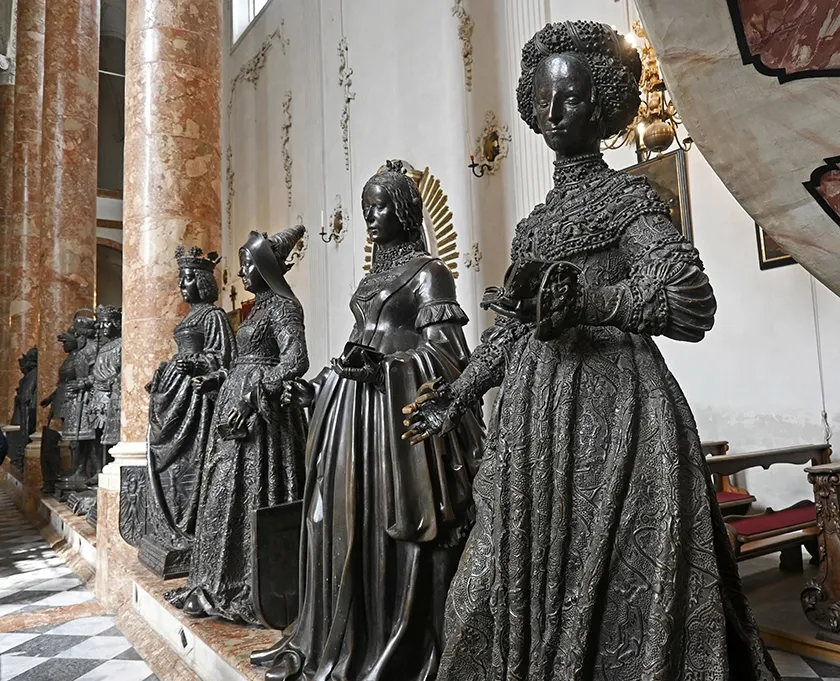
Built in 1553 by Emperor Ferdinand, the church of the Court preserves the funeral monument of Maximilian I, although the emperor was finally buried in the city of Wiener Neustadt. What we do find in this temple are the “men in black”, twenty-eight figures – eight of them women – who guard the funeral monument of Emperor Maximilian I. But who were these characters who were to protect Maximiliano’s eternal sleep? The emperor chose them from among distinguished members of his families who had stood out for their virtues and heroic deeds, including his two wives, Mary of Burgundy and Mary Sforza; not forgetting other important figures in European history such as Archduke Sigmund, King Ferdinand of Portugal and King Arthur. Here too lie the remains of the much-remembered freedom fighters Andreas Hofer, Josef Speckbacher, Joachim Haspinger and Kajetan Sweth.
Inside, the Silver Chapel is also of note, where two other important figures in the history of Innsbruck, Archduke Ferdinand II and his wife Philippine Welser, are laid to rest; and dominating this space, the silver altar with a statue of the Virgin by the master Gioavanni Lucchese.
It also has two interesting organs, the one known as the “old Schwalbennestorgel”, built almost five hundred years ago by Jörg Evert and considered the largest and best-preserved Renaissance organ in Austria, and another, built later, dating from 1900, the work of Hans Mauracher.
We finish this review of Innsbruck’s monumental and historical heritage at Ambras Castle, considered to be the oldest museum in the world. If Maximilian I gave his wife Blanca María Sforza a golden rooftof, his grandson Ferdinand II wanted to be just as generous and gave his wife Philippine Welser this magnificent castle. On the death of the “Beautiful Welserin” Filipina, Ferdinand recovered the castle, converting it into a Chamber of Art and Curiosities where he exhibited his collections that attracted the curious gaze towards objects made of crystal, silver and glass, as well as armour, weapons, paintings and other rare natural objects and exotic treasures. In addition to this unique museum, you can visit the armoury, the Spanish Room, Philippine Welser’s original bathroom, the Strasser glass collection, the Augsburg Portrait Gallery (the latter is only open in the summer months) and the impressive special exhibitions. What was a gift of love from Archduke Ferdinand II to the daughter of a merchant from Augsburg, is one of the most beautiful and important monuments in Austria and one of the main tourist destinations in Tyrol.
Four things to do in Innsbruck
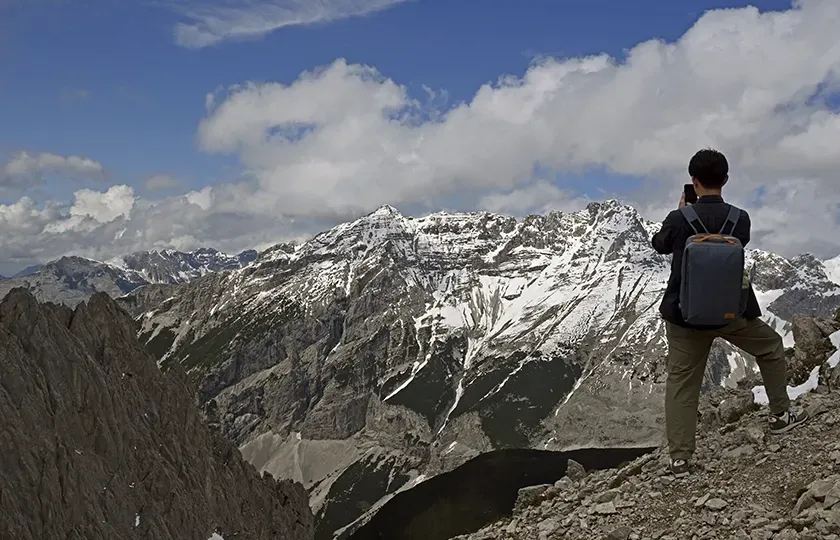
The Mirador Hafelekar, Innsbruck’s most spectacular viewpoint, is located in the Nordkette mountain range, two thousand three hundred metres above sea level and within the city limits. The “Innsbruck summit” can be reached from the town centre by taking the Nordkettenbahnen funiculars, which include the Hungerburgbahn, the Seegrubenbahn and the Hafelekarbahn. With an exceptional architectural design, especially the first one which, like the Bergisel ski jump, was designed by the renowned Iraqi-British architect Zaha Hadid, inspired by the snow and ice landscapes of the region. The journey to the top takes about thirty minutes. With the capital of the Alps, stretching majestically at our feet, and the Karwendel Nature Park behind us, the mountain range is ideal for skiing, snowboarding, freeriding, hiking or climbing, or simply for enjoying the alpine world while savouring a delicious picnic that can be purchased at the viewpoint itself.
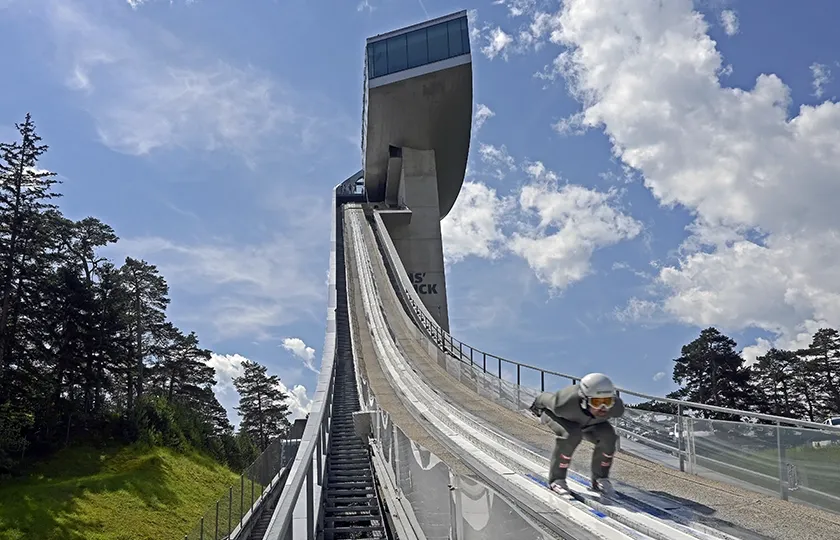
The legendary and televised Bergisel Olympic Ski Jump, located in the south of the city, attracts thousands of fans during the winter who thrill to the competitions that take place here. Considered the most modern ski jump in the world, it also has a special appeal in summer as many athletes choose to train with their minds set on the following winter. The trampoline, which has become another symbol of the city and an architectural attraction, is a must-see for admiring the 360-degree panoramic view of the mountains surrounding the city while enjoying the café-restaurant located in the tower, which is forty-seven metres high. This architectural landmark is one of the many options offered by the Innsbruck Card.
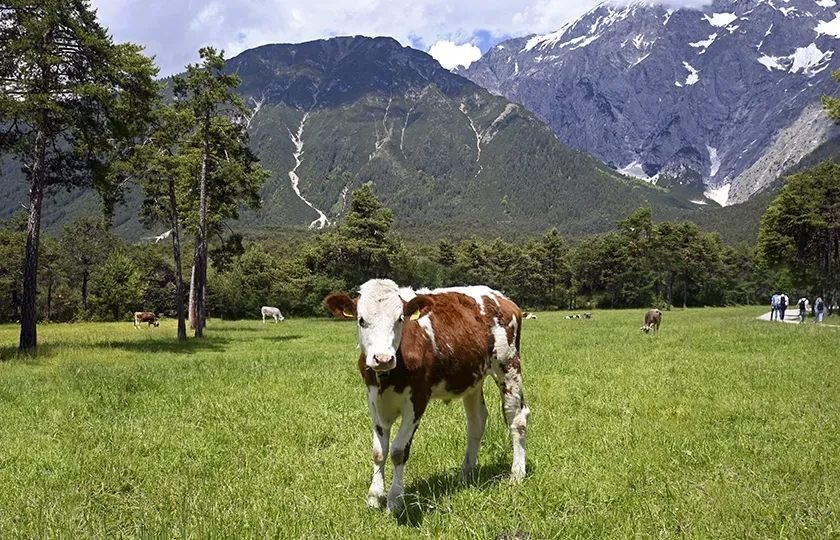
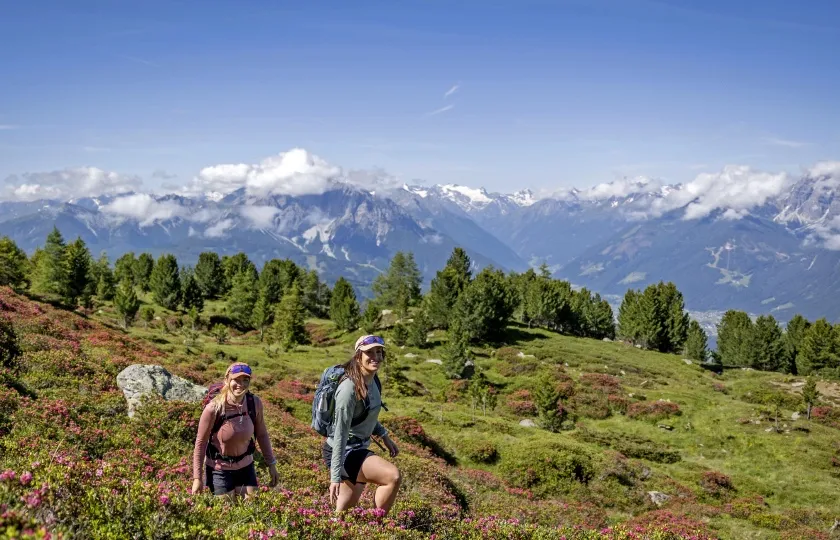
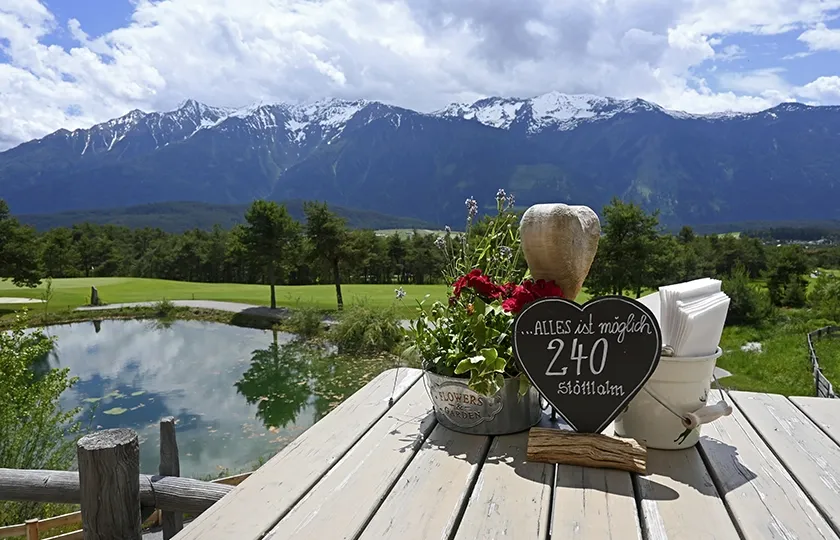
Another interesting proposal from the capital of the Alps is a trip to the countryside to discover the Mieming high plateau. An easy hiking trail will take us through the green fields so characteristic of the Alps, with the Mieminger Range as a backdrop. It is worth making a stop at the Stöttlalm restaurant, nestled in a picture-perfect valley.
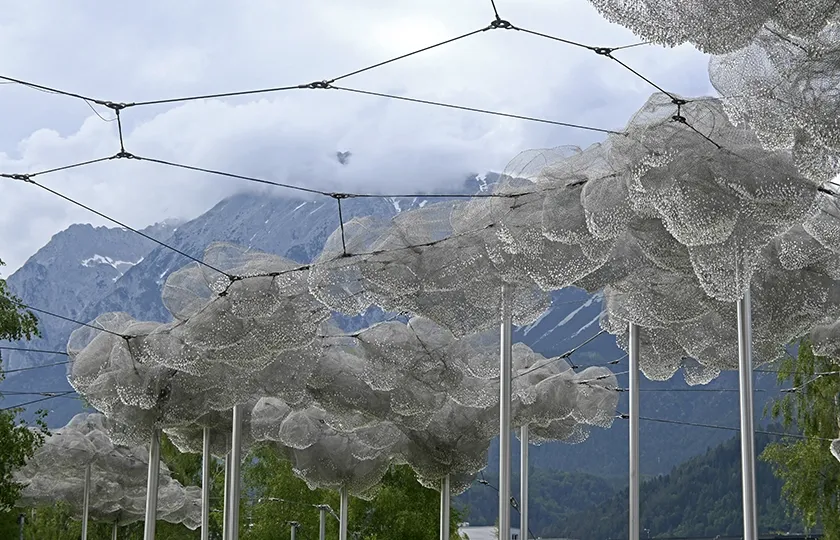
Twenty kilometres from the city are the Swarovski Crystal Worlds, which house a rich collection of unique objects in eighteen “Chambers of Wonder”. In the gardens, the Carousel stands out, a magnificent interactive installation adorned with fifteen million Swarovski crystals created by the Spanish designer Jaime Hayón.
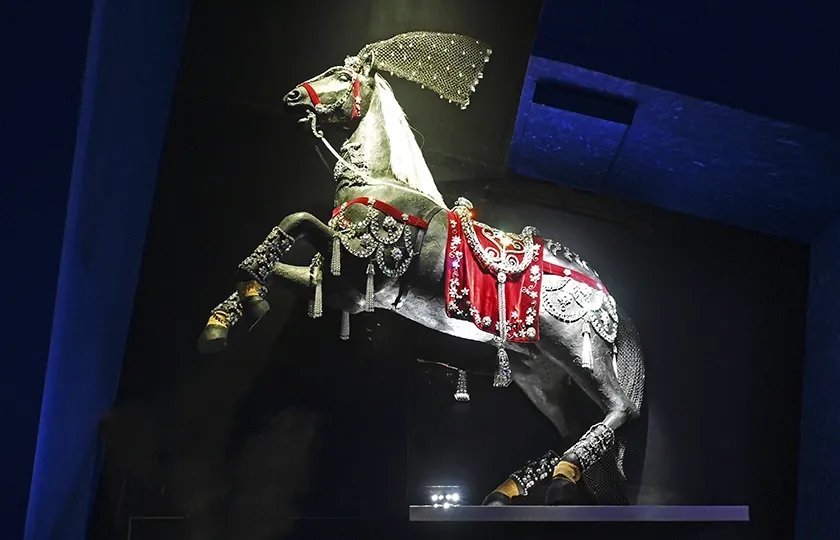
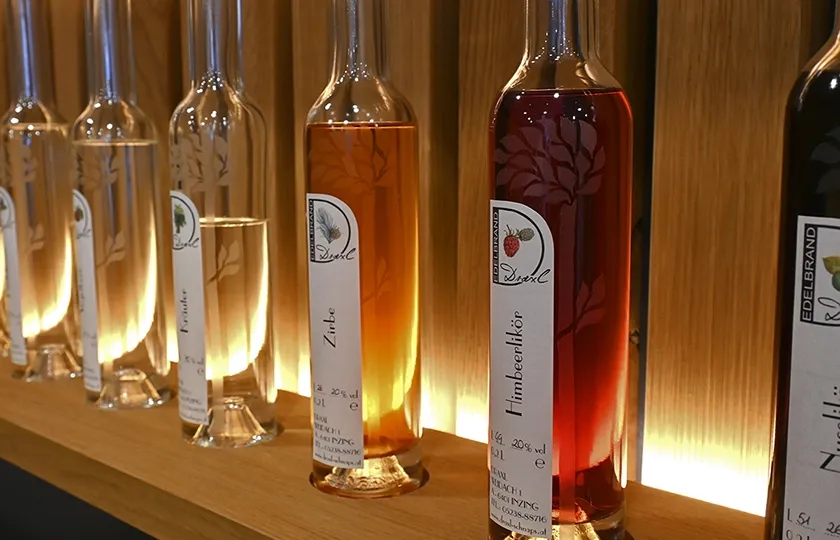
When travelling it is essential to delve into the local culture and in Austria it is obligatory to try a schnap, a word that derives from the German for ‘to swallow’ and which is used in German-speaking regions to refer to any type of liquor. Schnap are delicious spirits with an alcohol content of around 40% and made 100% with pure fruit from their own fields, naturally fermented and distilled twice.
In order to enjoy them, it is necessary to make an appointment, and they can be tasted accompanied by a delicious meal.
Shopping, gastronomy and where to stay in Innsbruck
Innsbruck has a wide range of unique shops and boutiques scattered throughout its historic centre and along the lively Maria-Theresien-Strasse. The Kaufhaus Tyrol and Rathaus-Galerien shopping centres in the city and CYTA in Völs and the Inntalcenter in Telfs, outside Innsbruck, have a wide range of shops. Whereas the best food and regional products can be purchased at the numerous farmers’ markets in and around Innsbruck.
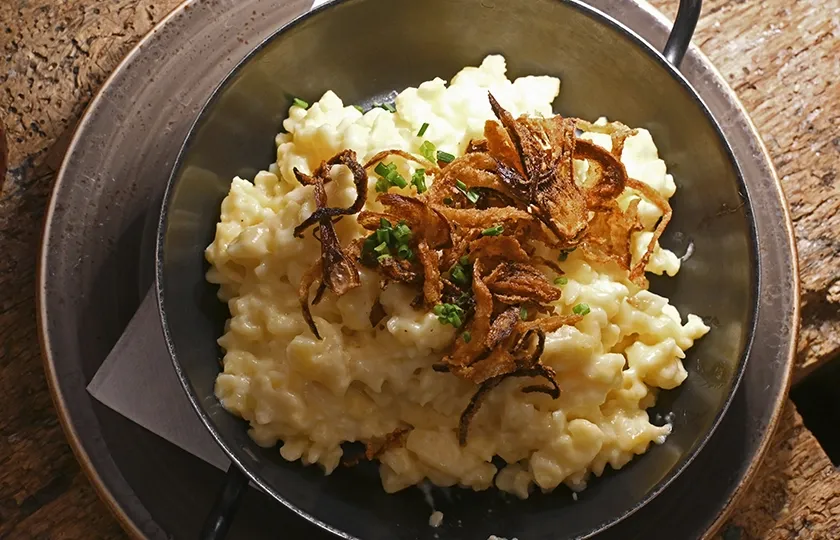
The diversity of cuisine in the Innsbruck region is reflected in the range of options on offer, which include regional and international dishes, from more modest offerings to haute cuisine, as well as vegetarian and vegan options. While traditional delicacies are served in mountain areas and inns, in the most avant-garde restaurants the stars of the show are the exclusive menus that pair perfectly with the most delicious wines.
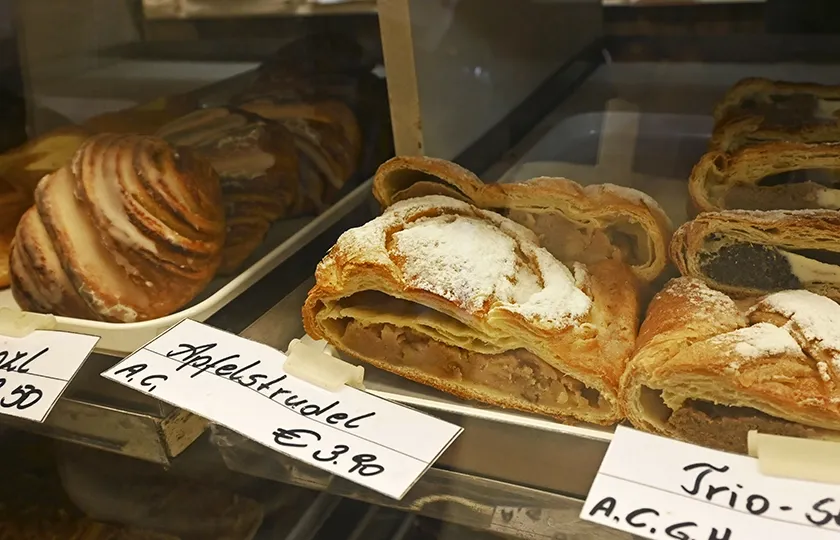
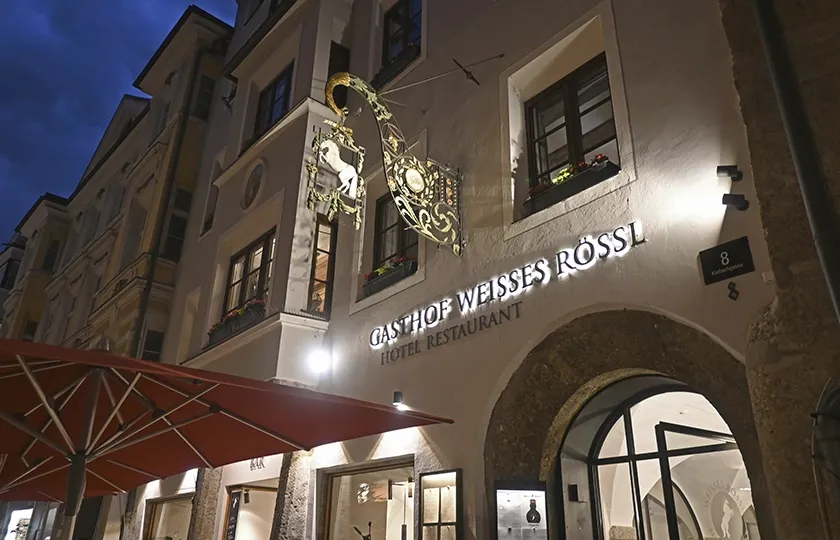
Some highly recommended restaurants are Mariatheresia, located on the street of the same name and a good option for trying local cuisine, such as Tiroler Gröstel or Spinatknödel… and Apfelstrudel for dessert. And during or after the meal, you must try one of their excellent cocktails. In the old part of the city we find Weisses Rössl, the oldest restaurant in Innsbruck, as can be seen from its wooden beams which date from 1292. Specialising in excellent Tyrolean cuisine that can be enjoyed on its delightful terrace. And outside the city, Stöttlalm, traditional cuisine in this alpine refuge surrounded by the impressive mountainous landscape of the Mieminger Plateau, with unique views of the Inn Valley. With chef Thomas at the helm, his proposal is based on the quality of his products, most of which come from suppliers in the region.
Trendy hotels, a traditional country house or a practical and cheap hotel, finding accommodation in Innsbruck is very easy thanks to the wide range on offer to visitors, adapted to all tastes and budgets. And if we travel without a car, it is advisable to stay at one of the establishments associated with the Welcome Card, which provides guests with a free public transport service.
Just ten minutes from the old town, in the cosy neighbourhood of Wilten, is the Hotel Nala. In this trendsetting city hotel, where they have managed to preserve the history of the original establishment, which dates back to the 1950s, each and every one of its fifty-seven rooms is unique.