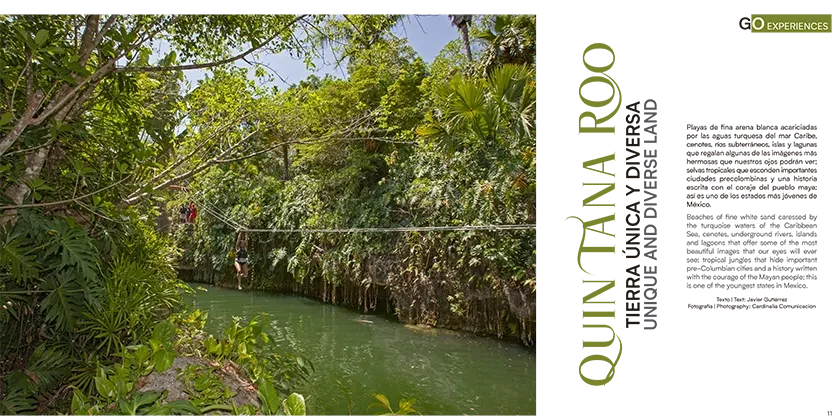
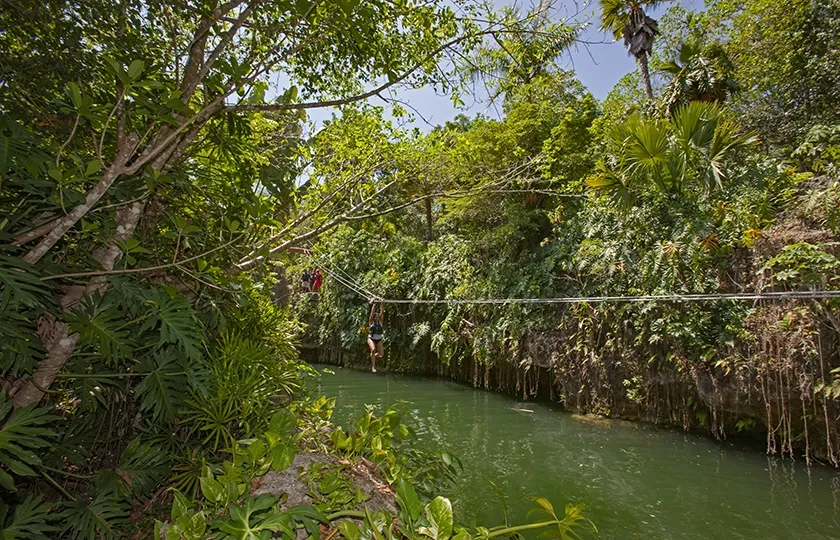
Beaches of fine white sand caressed by the turquoise waters of the Caribbean Sea, cenotes, underground rivers, islands and lagoons that offer some of the most beautiful images that our eyes will ever see; tropical jungles that hide important pre-Columbian cities and a history written with the courage of the Mayan people; this is one of the youngest states in Mexico.
Located at the eastern end of the Yucatan Peninsula, Quintana Roo is considered one of the world’s top beach destinations. From the island of Holbox to Chetumal, via Cancun, Isla Mujeres, Playa del Carmen, Isla Cozumel or Tulum, along its coastline we find some of the most popular destinations for tourists from all over the world. And as a protective barrier, the Mesoamerican Barrier Reef Chain stretches from the Gulf of Mexico to Honduras, the largest in the northern hemisphere and the second largest on the planet.
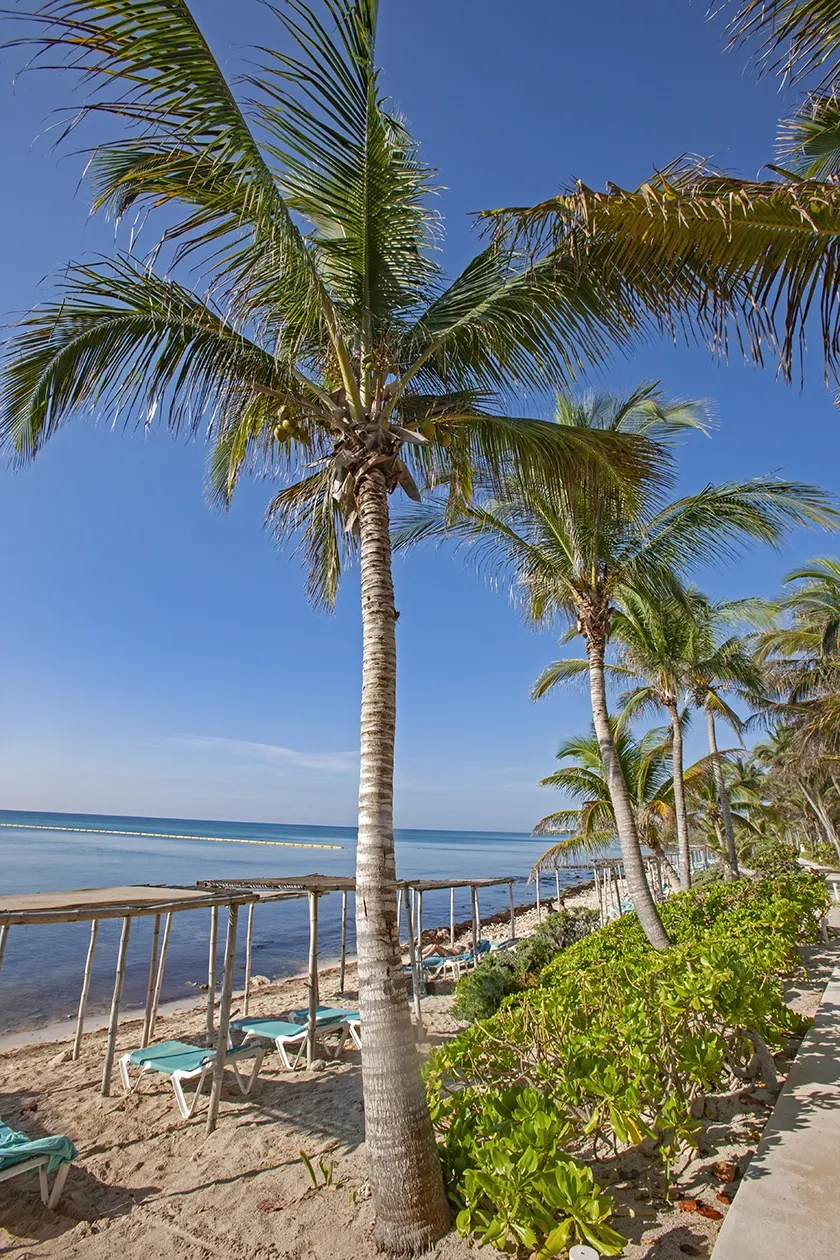
Along the coast, an immense and varied hotel offer with all-inclusive resorts such as Akumal Bay Beach & Wellness Resort in Akumal, located on one of the most beautiful beaches of the Riviera Maya with a captivating and relaxing atmosphere; and modern hotels such as The Fives Oceanfront in Puerto Morelos, a true haven of relaxation and rest with cosy suites, an infinity pool and an exclusive beach or Aloft Cancun in the heart of Cancun, which has a rooftop pool with wonderful views of the city.
With just over 15% of Quintana Roo’s territory protected, natural spaces such as the Puerto Morelos Reef National Park, the Cozumel National Park, the Sian Ka’n Biosphere Reserve and the Xcalak Reefs National Park stand out.
It all starts in Cancun
Since the opening of the first hotels in 1974 and the construction of the International Airport in 1975, Cancun, “nest of snakes” in the Mayan language, has positioned itself as the most important tourist destination in Mexico thanks to its excellent hotel offer concentrated mostly on the Kukulkan Boulevard, its restaurants, its lively nightlife and, of course, its beaches.
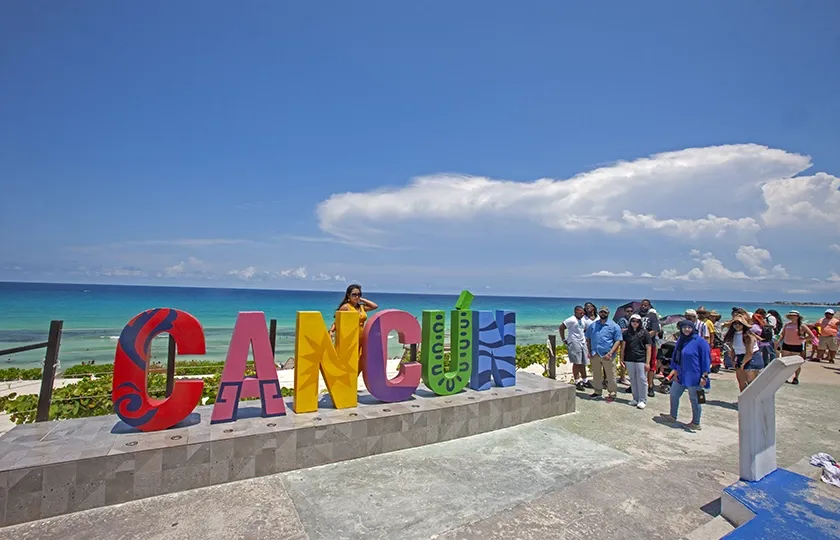
With nine of them recognised with the Blue Flag distinction, one of the most popular is Playa Delfines, which gathers every day hundreds of people looking for moderate or intense waves, to see dolphins or take pictures in the emblematic Cancun Photo Stop.
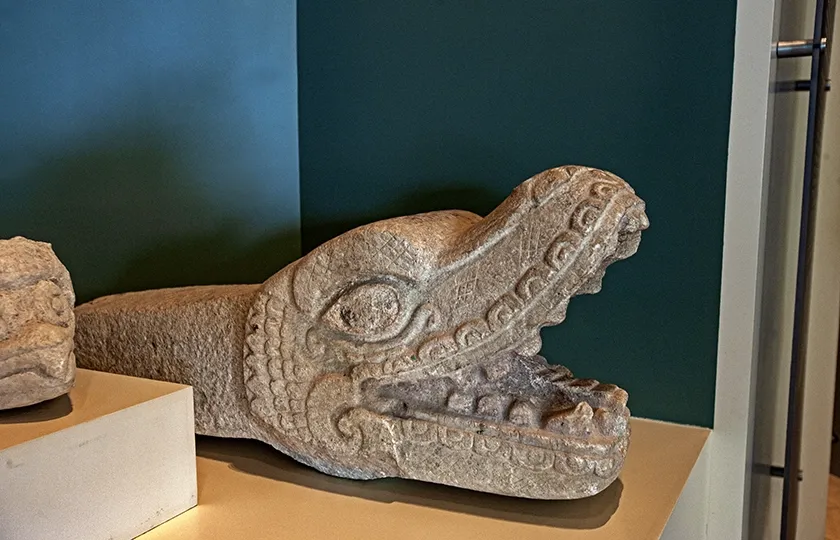
A visit to the Mayan Museum is a must, which houses one of the most important Mayan collections in the country, with pieces found in the state of Quintana Roo and in Palenque, Chichén Itzá and Comalcalco. Next to it, the archaeological site of San Miguelito, a commercial reference in the past and where the grandiose Palace of Chac stands out. Other archaeological sites of interest are El Meco, located on the north coast of Quintana Roo, in the bay of Isla Mujeres, which is part of the destination known as Costa Mujeres, and El Rey, which is very close to Playa Delfines, on Kukulkan Boulevard.
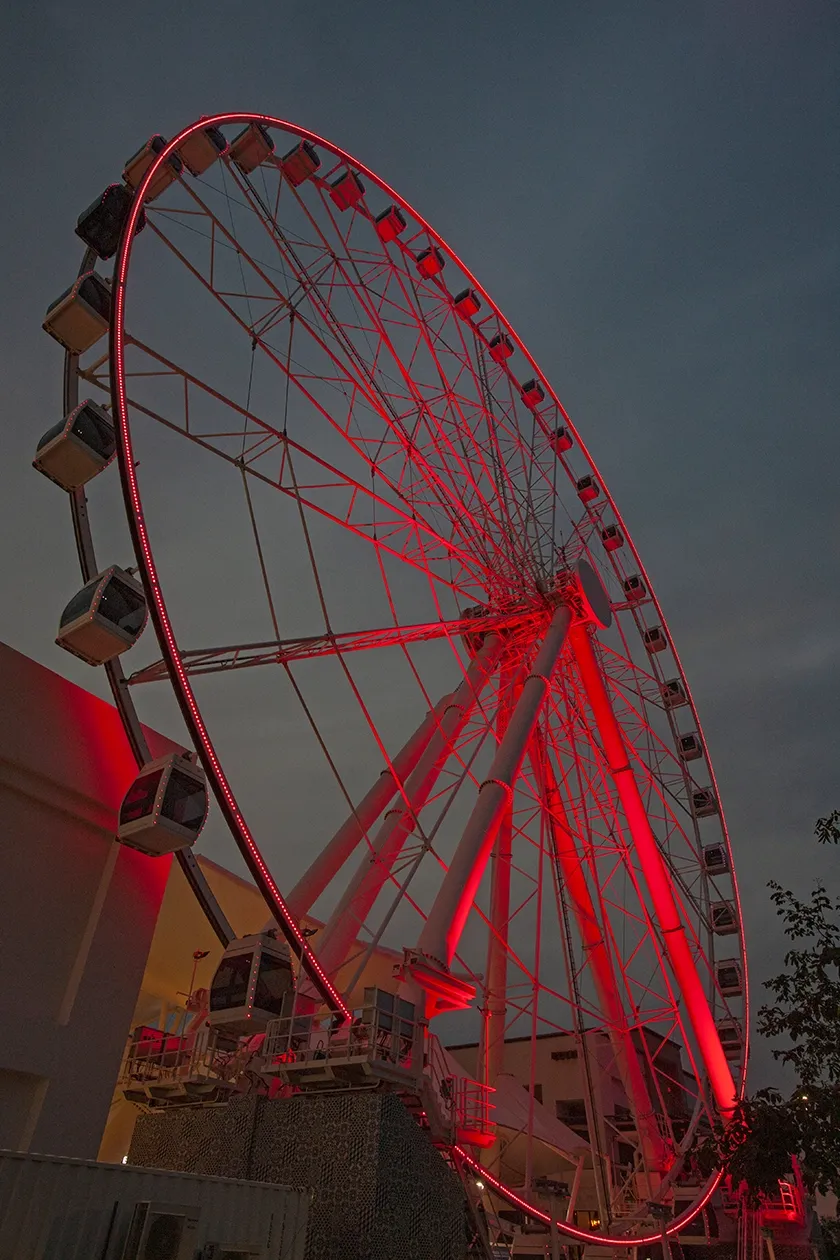
La Isla Cancun is a large shopping mall located on Kukulkan Boulevard. Besides shopping and enjoying national and international gastronomy, it has a varied catalogue of entertainment activities such as Luchatitlán, the Official House of Mexican Wrestling; the Tequila Museum, the Chocolate Factory, the Ripley’s Mirror Maze, the Ripley’s Museum of Wonders or the Wheel of Fortune, a huge Ferris wheel forty-five metres high.
As for restaurants, an excellent choice is Nicoletta Restaurant. With elegant architecture and sublime décor, the highest quality ingredients and traditional recipes with modern touches guarantee an explosion of flavours on the palate.
Riviera Maya, a paradise of infinite possibilities
From Puerto Morelos to Tulum to Playa del Carmen, the Riviera Maya is undoubtedly one of the most popular holiday destinations in all of Mexico. Accommodations for all tastes, from all-inclusive hotels, boutique hotels or glamping that offer a permanent contact with nature; a wide variety of restaurants, some of them run by famous chefs, an entertaining nightlife and important Mayan cities such as Tulum, Coba and Muyil, justify the Riviera Maya as one of the most recognised places in the world.
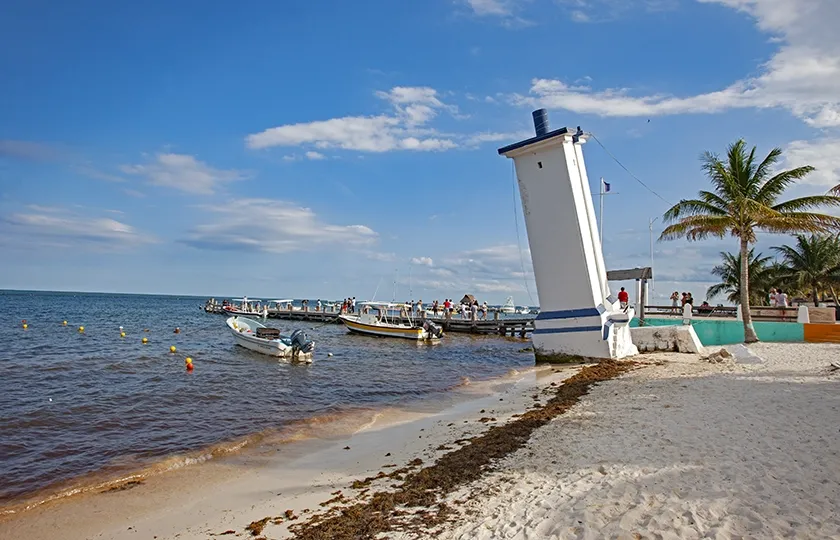
Puerto Morelos, gateway to the Riviera Maya from the north of the state, is an authentic fishing village with a unique personality and a quiet, bohemian and relaxed atmosphere. An adventure destination with mangroves, cenotes and an exuberant jungle, a stroll through its beautiful Main Square, a visit to its beach known as Ventana al Mar where the Leaning Lighthouse is located, admiring the Arrecife de Puerto Morelos National Park or visiting the Dr. Alfredo Barrera Marín Botanical Garden are enough reasons to be captivated.
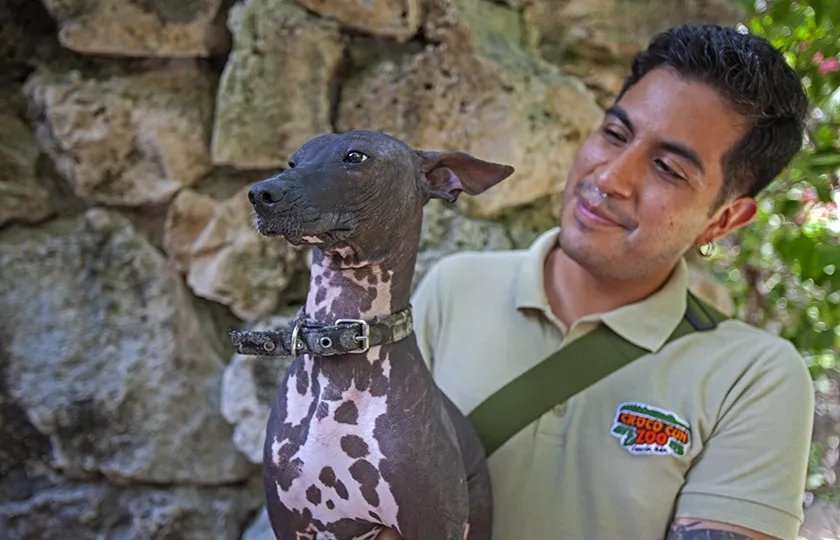
Nearby is one of those places that is worth spending a morning at. Croco Cun Zoo is a different kind of zoo where rescued animals of different species have found a home here. An interactive tour conducted by highly trained staff where you can interact with and feed some of the animals, learn about aspects of the local wildlife and prove your worth by walking amongst the crocodiles. They also have two specimens of Xoloescuincle, dogs considered by the Mayas as spiritual guides, unlike the Aztecs who considered them only as a source of food.
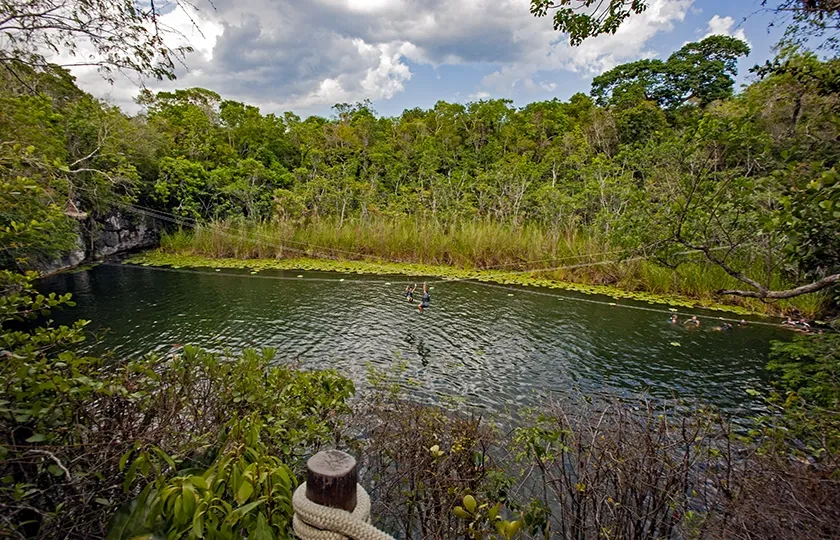
Also very close to Puerto Morelos is the Cenotes Route, where nature is shown in all its splendour. This paradise, which has several nature and adventure parks and more than sixty cenotes, invites you to practice activities such as snorkelling, diving and kayaking, as well as zip lines, quad biking, mountain biking, bungee jumping and horseback riding. It is important to remember that cenotes are millenary bodies of water, being also the habitat of different species of flora and fauna. In order to preserve them, there are mandatory rules: before immersing yourself in the water, you must take a bath to remove body creams, sunscreen, make-up, deodorants…; do not touch the stalactites and stalagmites, as your body fat can damage and break them; do not hang from the roots of the trees and do not feed or disturb the species that live here.
Playa del Carmen, known as “the heart of the Riviera Maya” is today a cosmopolitan coastal city and one of the largest in the Mexican Caribbean. This old fishing village, known in the past as Xaman Há, offers the visitor a varied and rich offer of hotels, entertainment and gastronomy. Parallel to the beach is one of the most famous streets in the state, Fifth Avenue, or simply Fifth Avenue, as it is known to locals. The main avenue of the city has shopping centres, souvenir and international brand shops, art galleries, discotheques, small hotels and restaurants where you can taste the best international, national and regional gastronomy.
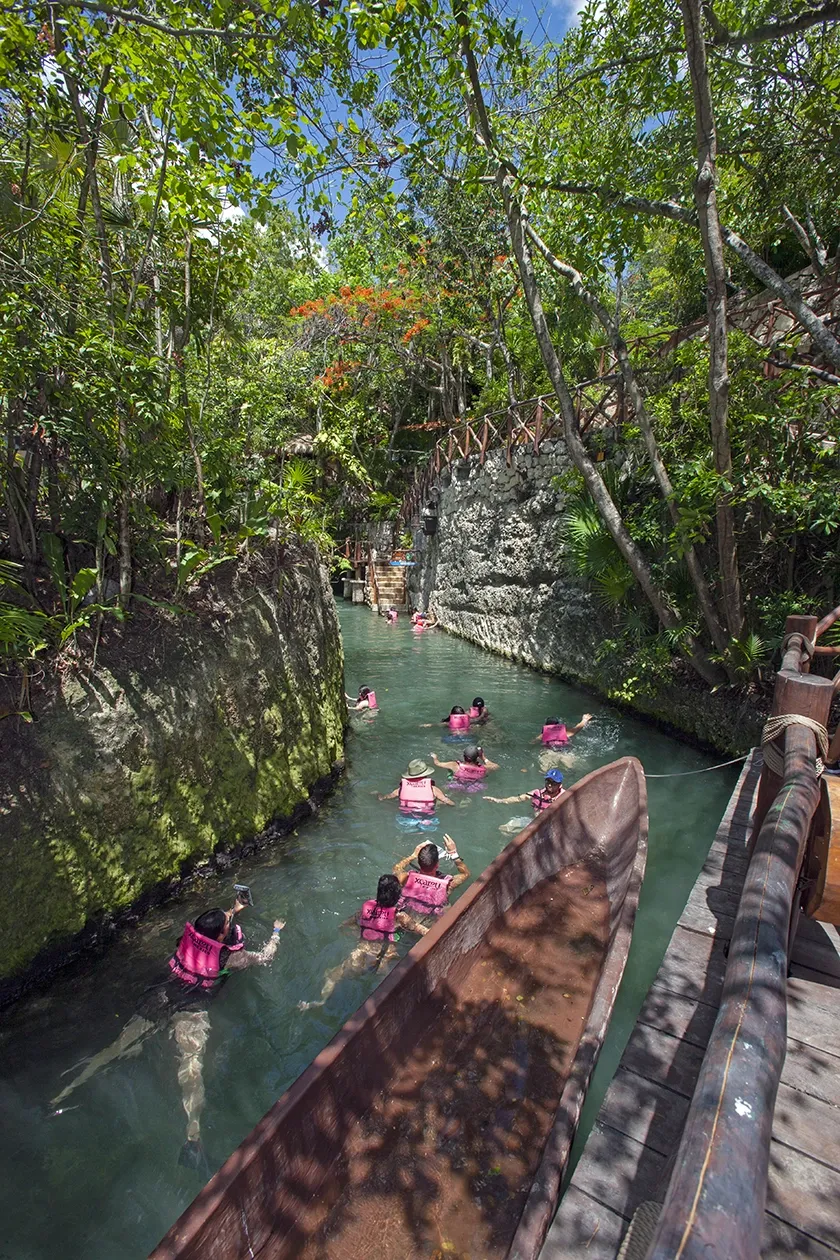
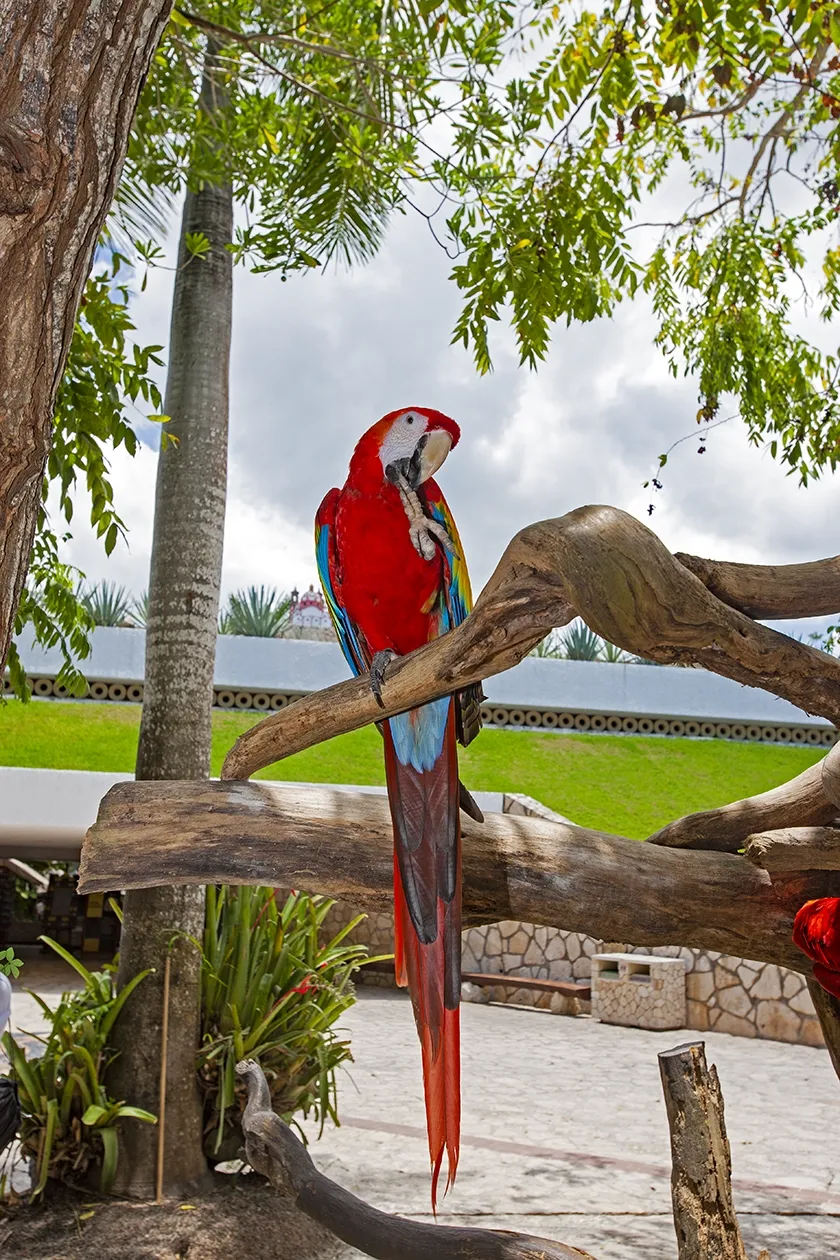
Xcaret is a large water, theme, amusement and eco-archaeological park that attracts some 14,000 people every day. With more than fifty natural and cultural attractions, its success is due to the wide range of leisure activities on offer. Underground rivers, beaches, lagoons and natural wells help to mitigate the heat of these latitudes. And the Coral Reef Aquarium, the sea turtle and shark areas, the Butterfly Farm, the Aviary, the Rainforest Trail or the Living Museum of Orchids and Bromeliads bring us closer to the regional flora and fauna. Mexican culture is also strongly represented in the Museum of Mexican Folk Art, in the Mexican Cemetery “Bridge to Paradise”, in the Hacienda Henequera, in the replica of the Mayan ball court or in the Fiesta Charra, a show in which the Mexican charros and the escaramuzas charras (women riders) show all their skills on the backs of beautiful horses.
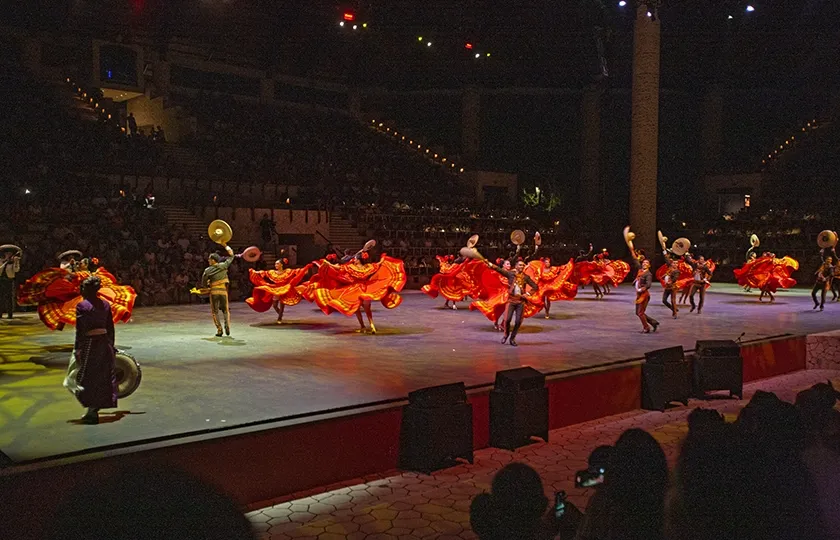
Get ready for a day full of thrills and excitement that will culminate with Xcaret Mexico Espectacular. When night falls, the Teatro Gran Tlachco is the stage where this show takes place, in which more than three hundred artists will take you on a journey through the vast history of Mexico. An explosion of music and light that recalls the most important passages of the country: the pre-Hispanic era, the conquest, the colonial era, the independent Mexico and the Revolution, to finally arrive at present-day Mexico and where the great culture and traditions of the Mexican people are also reviewed. Without a doubt, this is Xcaret’s most famous show.
The park has three hotels: Hotel Xcaret Mexico, Hotel Xcaret Arte and La Casa de la Playa and eight restaurants, as well as La Cava Xcaret, a wine cellar where you can discover the best national wines and taste exquisite dishes prepared by the park’s chef.
But the fun doesn’t stop there. It has six other parks: Xel-Há, Xplor, Xavage, Xenses, Xoximilco and Xenotes and five tours: Xichén Deluxe and Classic, Tulum – Xel-Há, Tulum – Cobá and Xenotes. The Xenotes Route allows you to get to know the four types of cenotes that exist and to do a different activity in each one of them: descent with assisted rappel in Lu’um (Earth), zip lines and high jumps in K’áak’ (Fire) and Lik’ (Air) and swimming and kayaking in Ha’ (Water). Activity complete with hotel pick-up and drop-off service, picnic, soft and hot drinks, seasonal fruit and all the material necessary for the activity.
With our backpack full of emotions we continue our journey to Akumal, specifically to the place known by many as “Laguna Yal Kú” where you can go on what is probably the best snorkelling tour in the Riviera Maya. The committed guides of Aventuras Mayas accompany us on this experience to discover the depths of this cove. Where the Caribbean Sea meets the fresh waters of the region’s underground rivers, it is the ideal place for the development of different aquatic species. Aventuras Mayas also offers the possibility of other activities, such as zip-lining, abseiling, quad biking and visits to Mayan cities and cenotes.

Grand Costa Maya, where you can relax, live the adventure and enjoy the culture
Chetumal, capital del estado, Bacalar y Mahahual dan forma a la región Grand Costa Maya, en la que su exuberante naturaleza, sus lagunas y tranquilas playas de suave oleaje, unido a su historia, cultura y sitios arqueológicos regalan calma y relajación, aventura y diversión a partes iguales. Un paraíso donde se siente la calidez y hospitalidad de sus gentes y que comprobaremos en nuestro siguiente destino, Bacalar. Fundada por los mayas con el nombre de Siyancaan Bakhalal que significa “lugar de carrizos” tiene el reconocimiento de Pueblo Mágico, título que se concede a las ciudades o pueblos históricamente importantes. Colonizada por los españoles en el siglo XVI, construyeron el Fuerte de San Felipe por orden de Antonio de Figueroa y Silva, gobernador de Yucatán, para defender a la población de los constantes ataques de los piratas ingleses, franceses, holandeses y africanos. Hoy alberga el Museo de la Piratería, donde, además de mostrar la historia del pueblo y su relación con los corsarios, expone embarcaciones a escala, piezas arqueológicas mayas y objetos coloniales como armas, planos, mapas y cédulas informativas.
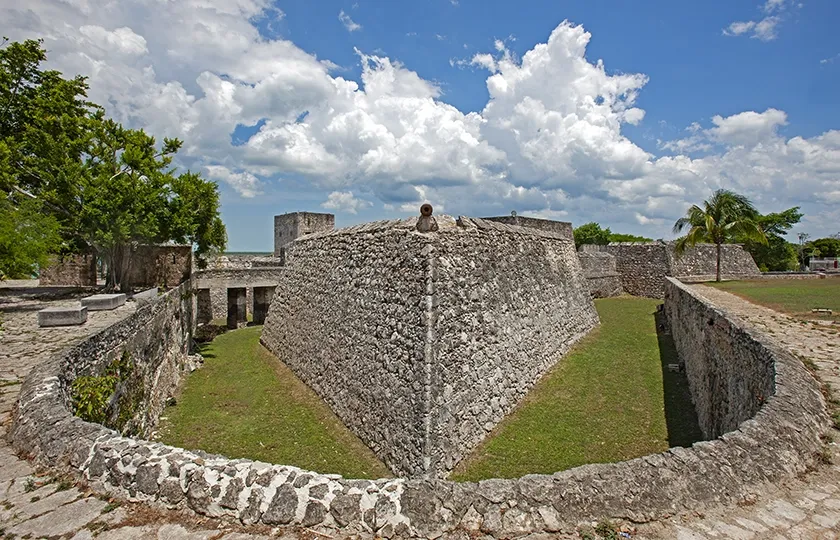
Chetumal, the state capital, Bacalar and Mahahual make up the Grand Costa Maya region, where its exuberant nature, lagoons and calm beaches with gentle waves, together with its history, culture and archaeological sites, offer calm and relaxation, adventure and fun in equal parts. A paradise where you can feel the warmth and hospitality of its people, which we will see in our next destination, Bacalar. Founded by the Mayas with the name of Siyancaan Bakhalal, which means “place of reeds”, it is recognised as a Pueblo Mágico, a title granted to historically important towns or villages. Colonised by the Spanish in the 16th century, they built the Fort of San Felipe by order of Antonio de Figueroa y Silva, governor of Yucatan, to defend the population from the constant attacks of English, French, Dutch and African pirates. Today it houses the Museum of Piracy, where, in addition to showing the history of the town and its relationship with the corsairs, it exhibits model boats, Mayan archaeological pieces and colonial objects such as weapons, plans, maps and information cards.
In the Main Square, next to the fort, you will find restaurants where you can taste regional and international cuisine where fresh fish and seafood are the real protagonists, as well as Mexican gastronomy and, of course, taquerias. Some of the best boutique hotels are located here, with others on the shores of the lagoon, and there are bungalows and camping sites in the town.
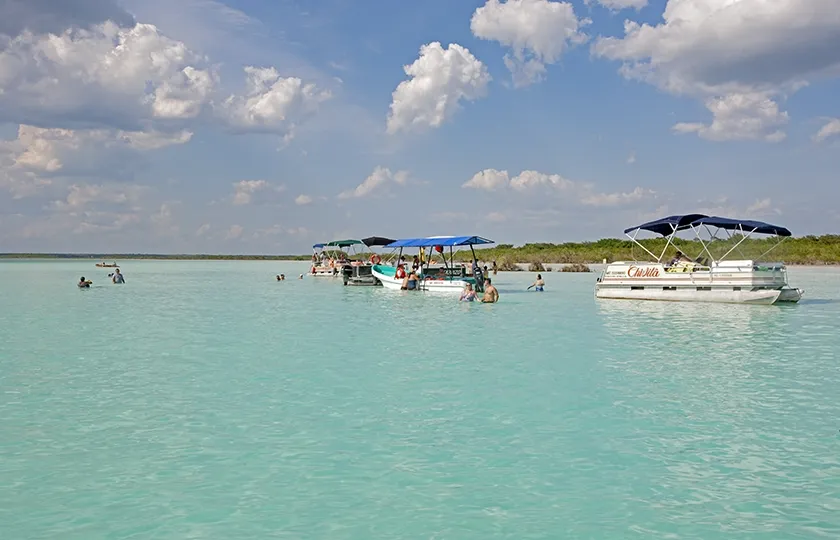
After visiting the city, it is time to admire the beauty of the Bacalar Lagoon, also known as the Lagoon of the Seven Colours because of the different colours of the water. Its chromatic variety, which depends on the depth of its waters, ranges from the dark blue, almost black, of the deepest areas to the almost white of the areas where the depth does not reach fifty centimetres. There are four cenotes that can be admired while touring the lagoon: Cocalitos, Negro or de la Bruja, Esmeralda and Azul. It is so fascinating that it invites you to take a refreshing swim, sail on a catamaran, motorboat, sailboat or pontoon boat or practice different activities such as kayaking, paddleboarding, snorkelling or scuba diving.
There are many companies offering these services and one of them is Cuco’s Tours. Their comfortable and safe boats, the professional treatment of the guides and details such as offering you water and fresh fruit on board, make this an experience you will remember and recommend.
The Bacalar Rapids connect the Bacalar Lagoon with a smaller lagoon called Xul-Há, which in Mayan means “where the water ends”. The Xul-Há lagoon is part of the natural outlet of the Bacalar Lagoon, so the tonality of its waters is very similar to that of the Seven Colours. Sujuy Ha is a place of extreme beauty, not one of those accommodations that guarantee peace and tranquillity. As well as resting or taking a relaxing swim, they offer a kayak rental service to explore the lagoon. There is a restaurant with fish and seafood specialities, but it is only open on Saturdays and Sundays, so if you want to enjoy a relaxing day it is advisable to bring food and drink.
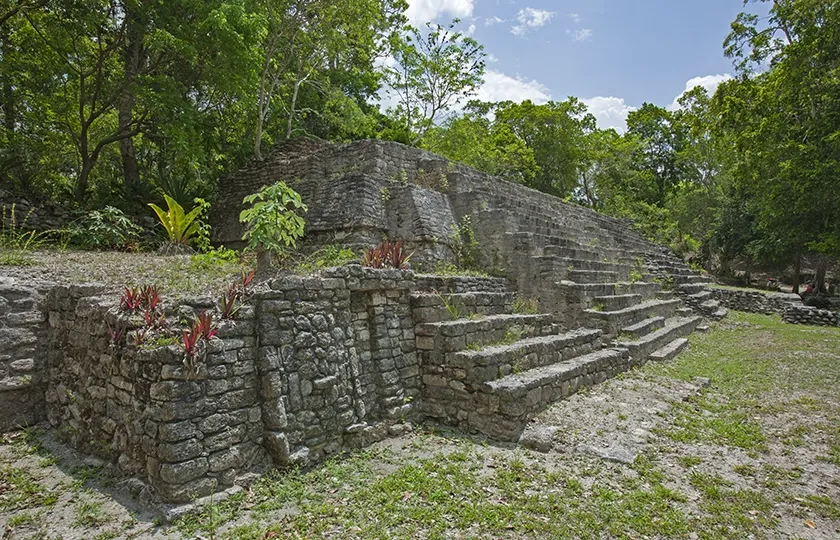
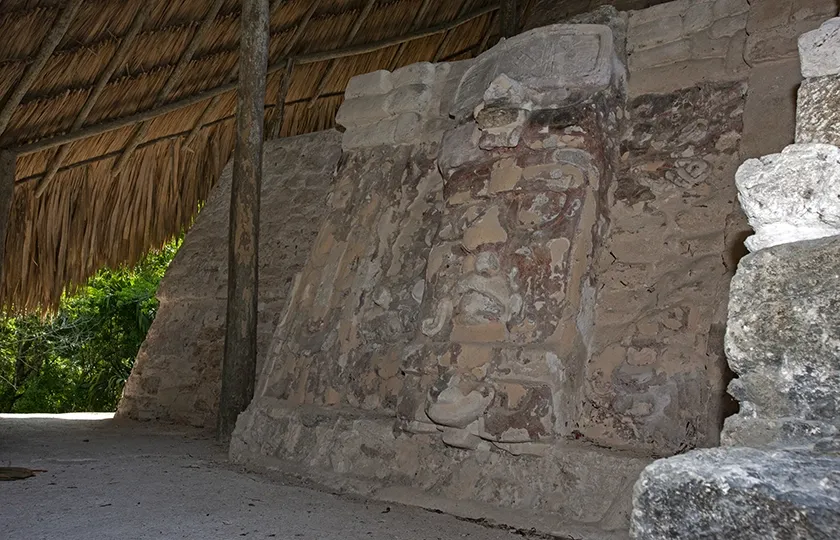
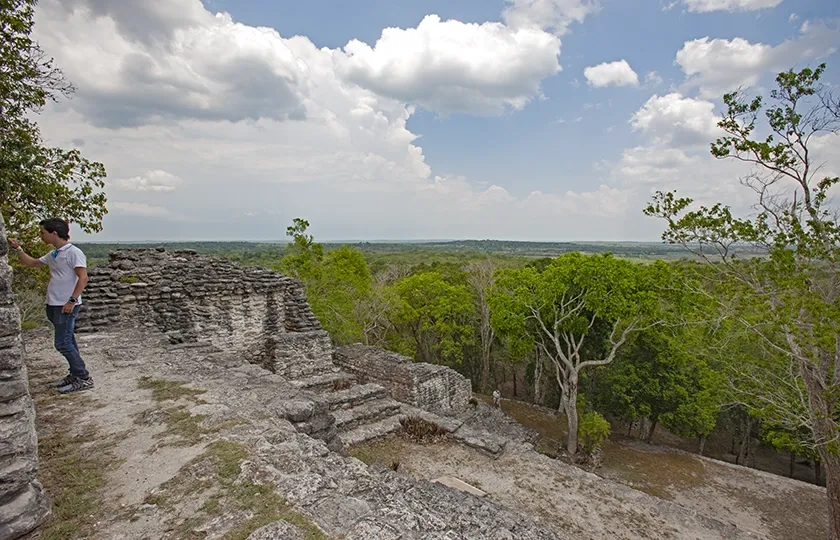
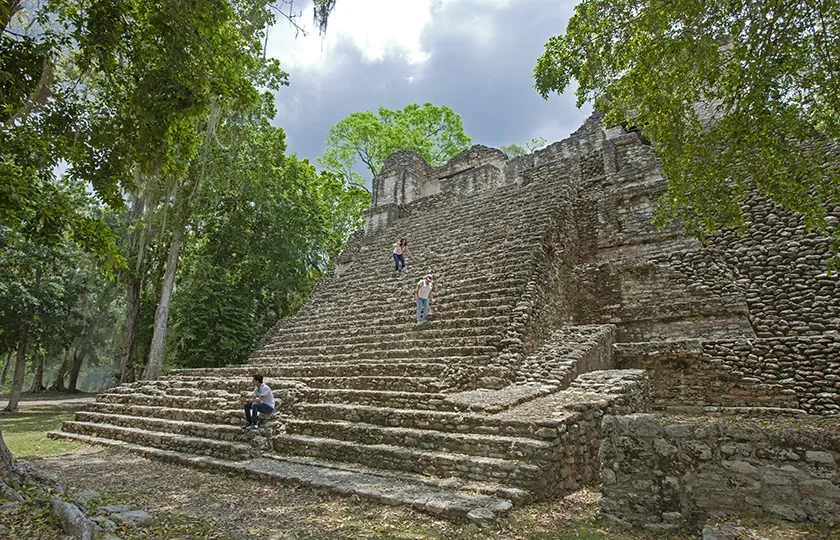
After regaining strength in Sujuy Ha, it’s time to return to the interior of the state to visit three magnificent Mayan cities. The first of these is Kohunlich, most of whose buildings were erected in the Early Classic period, between 250 and 600 AD. Formed by eight architectural complexes of ceremonial and residential character, the Acropolis, the Plaza of the Stelae, the Pixa’an Complex and the 27 Steps stand out in Kokunlich, but, above all, the Temple of the Masks in which on both sides of its main staircase five large masks are preserved, of the eight that it once held, which are believed to represent the solar god Kinich Ahau.
The second of the Mayan cities is Dzibanché, founded as an agricultural village in 200 B.C. and one of the largest and most important in southern Quintan Roo. It was Thomas Gann, an English military doctor and amateur archaeologist, who, during a visit in 1927, gave it this name to refer to the writing on the carved wooden lintels found in the Temple of Building VI. The temples of the Owl, of the Cormorants, of the Lintels and of the Captives stand out, the latter being where engraved hieroglyphic texts and some offerings were found in the burial chambers.
Two kilometres from Dzibanché is Kinichná, which means “House of the Sun”. The monumental three-storey Acropolis, which preserves on the exterior the remains of stucco friezes depicting solar motifs and in which important offerings of jade objects were found, is integrated around a plaza with a series of low buildings that may have been platforms for minor temples, giving shape to this archaeological site.
This is the end of this fascinating journey through Quintana Roo, a world-famous destination that, in addition to sun and beach, offers a multitude of options for all tastes: adventure, cultural, gastronomic… A real pleasure for the senses that would not have been possible without the support of the Quintana Roo Tourism Board and the collaboration of accommodation, restaurants and activity companies such as The Fives Oceanfront, Akumal Bay Beach & Wellness Resort, Aloft Cancun, La Isla Cancun, Nicoletta Restaurant, Croco Cun Zoo, Xenotes, Xcaret, Aventuras Mayas, Sujuy Ha and Cuco’s Tours.