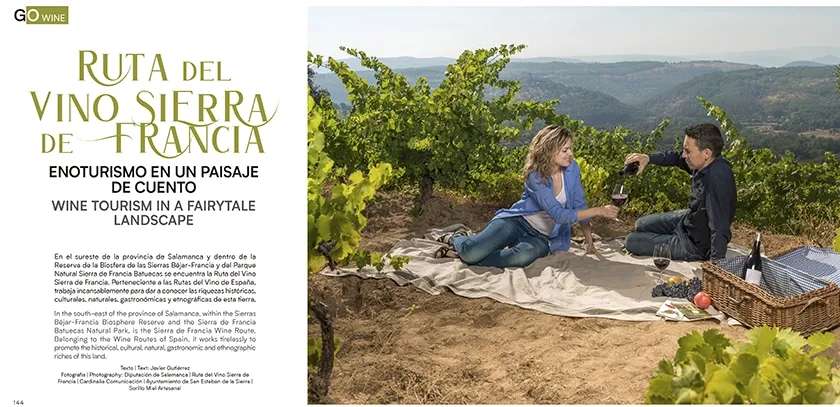
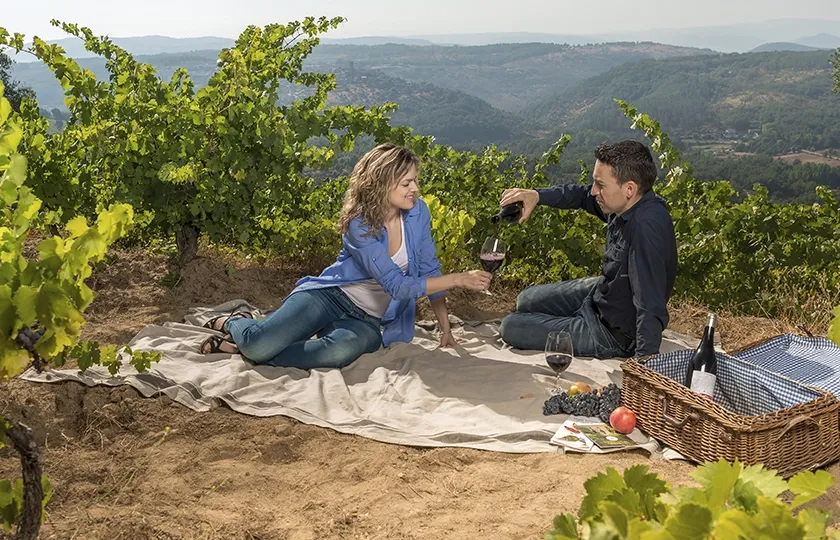
In the south-east of the province of Salamanca, within the Sierras Béjar-Francia Biosphere Reserve and the Sierra de Francia Batuecas Natural Park, is the Sierra de Francia Wine Route. Belonging to the Wine Routes of Spain, it works tirelessly to promote the historical, cultural, natural, gastronomic and ethnographic riches of this land.
The Sierra de Francia Wine Route offers an interesting wine tourism experience that is about much more than just wine. Twenty-two municipalities belong to the route, six of them historical sites, as well as eight wineries, ten restaurants, two wine bars, six shops, two wine shops, twenty accommodation options, three tourist offices and multiple leisure activities.
A few months ago I had the opportunity to get to know the Sierra de Francia Wine Route in more depth and, despite having visited this area of Salamanca several times, this time I rediscovered it from a different perspective. But what surprised me most, apart from the desire to follow the wine route, to do things for its villages and to learn about the work of its companies, was the involvement of the members, an example for other areas of Spain.
One different grape and eight wineries
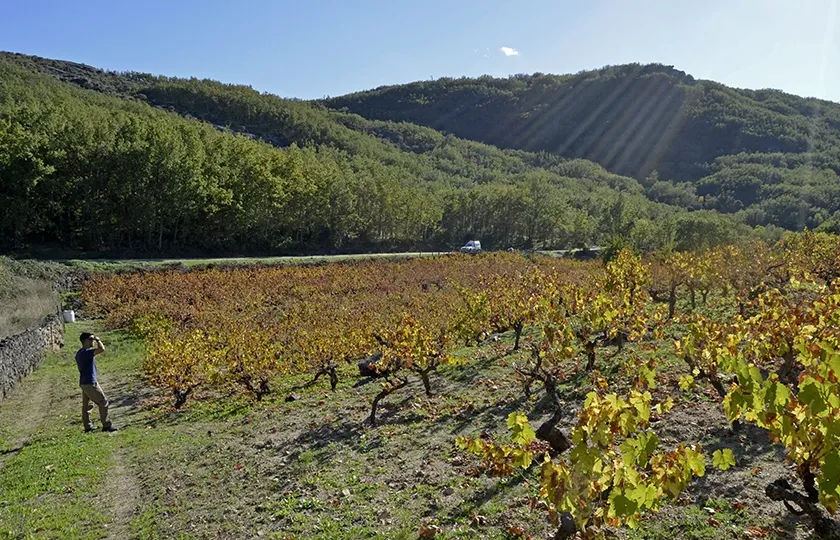
On the terraces grow the centuries-old vines used to make the wines protected under the Sierra de Salamanca PDO. Sustainable agriculture, slate and granite soils, the humid Mediterranean climate and the steep slopes are ideal for growing Rufete and Rufete Blanco Serrano grapes, which make the wines so special and give them elegance, freshness and complexity. For their part, the wineries take great care to produce these varieties in a sustainable way, respecting tradition and committing to innovation in order to produce wines that have achieved national and international recognition.
Eight wineries form part of the wine route: Compañía de Vinos La Zorra in Mogarraz, Bodega Don Celestino, Bodega El Abuelo Flores and Vínculo Serrano Bodega y Viñedos in San Esteban de la Sierra, Bodegas y Viñedos El Robledo in Sequeros, Bodegas y Viñedos Rochal in Santibañez de la Sierra, Cuarta Generación Bodegas y Viñedos in Sotoserrano and Cámbrico in Villanueva del Conde.
A magical town, a tasting menu and an olive grove
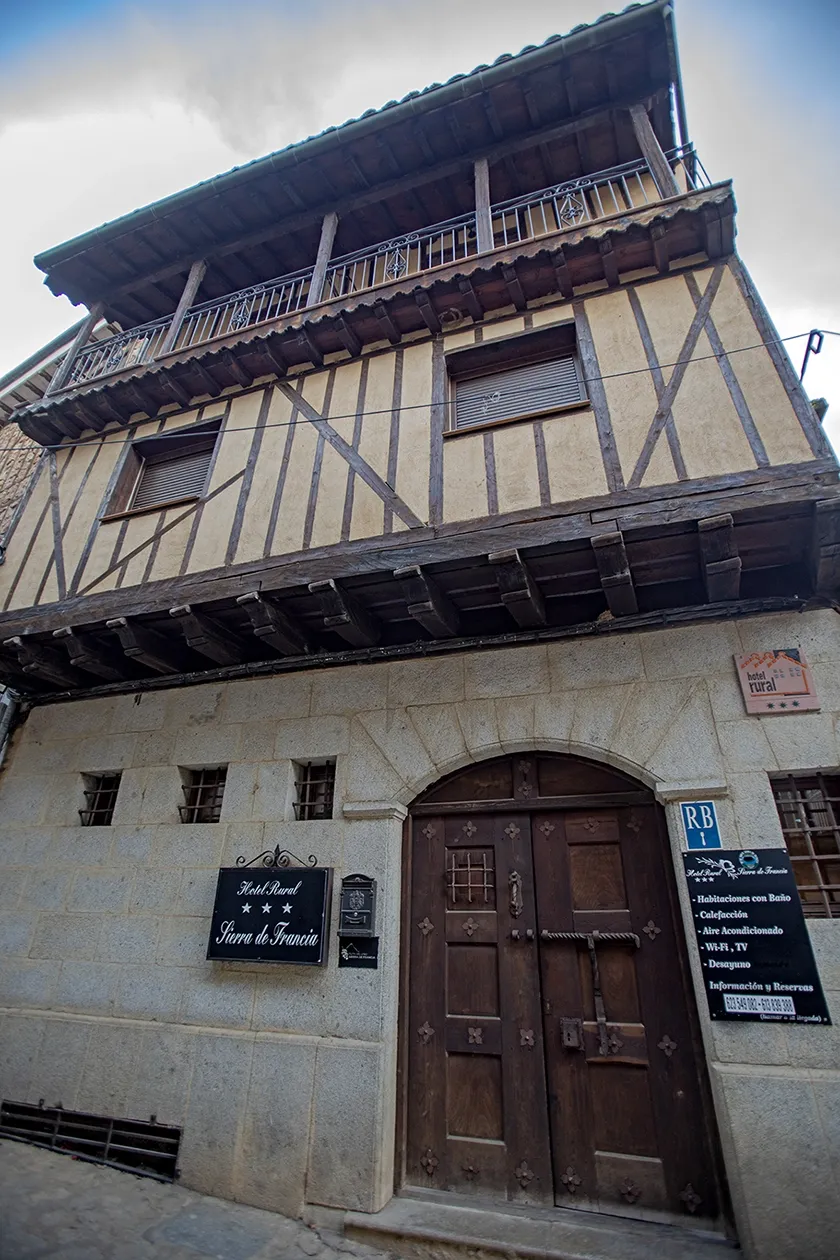
After leaving our luggage at the Hotel Rural Sierra de Francia in Sotoserrano, our journey began. This comfortable accommodation, located a few metres from the Plaza Mayor, has six fully equipped double rooms, two of them apartment-style with a fitted kitchen, microwave and refrigerator. It has a restaurant and also organises excursions for its guests. Sotoserrano has been populated since the Lower Palaeolithic as demonstrated by the remains found in a Vetton fort located near the village. With a typically mountainous architecture, the Romanesque church of Nuestra Señora de la Asunción, the hermitage of Humilladero and the Plaza Mayor with its clock tower are all highlights.
We set off for Cepeda, where Alberto, the councillor for tourism, and Zenaida, a tour guide for the Sierra de Francia, are waiting for us. Populated by Celts, Romans, Visigoths, Arabs and Jews, traces of all of them remain: a pre-Roman hill fort on which the Romans later settled, a sacrificial altar and some Roman columns, pieces of Visigothic slate and ceramics, reminders in the clothing, in the architecture and in the legends of the Muslims and the lintels of the houses of the Hebrews. Its town centre is a labyrinth of narrow streets that invite you to stroll through them at a leisurely pace to discover its history and architecture.
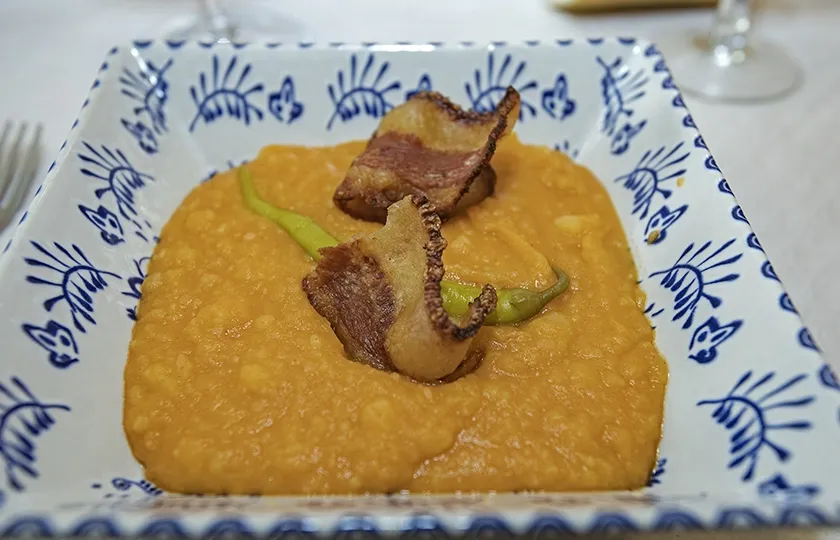
The morning has passed and the entertaining walk through Cepeda has whetted our appetite. Our hosts take us to the restaurant San Marcos in the same village, a simple establishment, but one where you know you are going to eat well.
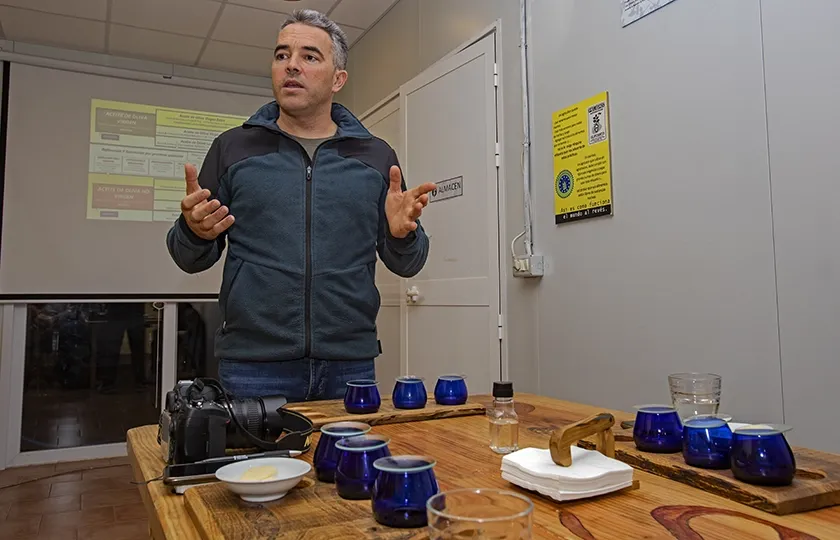
Having recovered our strength, we set off again. They are waiting for us in Herguijuela de la Sierra to discover another of the jewels of this land: olive oil. We are welcomed by Jesús Ángel, one of the founders of Soleae, along with his wife María, who has a degree in biology. If the olive groves in this area are characterised by anything, it is by being small plots of between eight and sixty hundred-year-old olive trees, as well as being planted on terraces or banks. José Luís takes us to an olive grove at the entrance to the village and for a good while, almost until sunset, he tells us all the secrets of olive cultivation, of the labour involved in this type of agriculture and of the good times that this work has given them.
The subsequent tasting becomes an entertaining evening in which we discover the characteristics of each of their products and other secrets about the fascinating world of AEOVEs. We bid farewell to our host, but before returning to Sotoserrano we take a short stroll through this village nestled in a true natural paradise, where we find the southernmost beech tree in Europe, which is almost four hundred years old.
The first day travelling along the Sierra de Francia Wine Route comes to an end, but we still have a unique character to meet, Antonio, owner of Bodega Cuarta Generación.
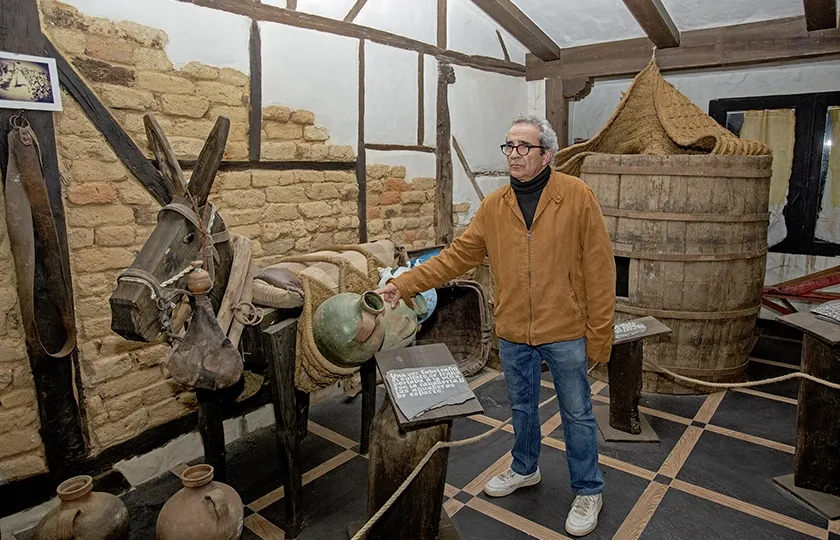
As we tour the Wine Museum, he tells us the history of the winery since it was founded in 1948 by his father, known in Sotoserrano as “sulphur” because of the meticulous care he gave the vines with this product. We ended the day in the tasting area, sampling their wines accompanied by a menu prepared by the restaurant of the Hotel Rural Sierra de Francia.
Honey at the “stonehenge” of the province of Salamanca, wines and Iberian ham and a historical ensemble
On the second day we woke up fearing that the rain would ruin our plans. Fortunately, this was not the case and as the hours passed, the situation improved. With the weather doubts we set off towards the village of Los Santos, where we are greeted by one of those surprises I was talking about at the beginning: the Granite Theme Park, a natural and cultural space that provides a different way of approaching geology and mining activity. The “stonehenge” of the region, made up of the Cities of Time, the Viewpoint of the Central System, the Stone House, the Canalised Stone and the ecological itinerary, became the ideal setting in which to enjoy a honey tasting session organised by Sorillo Miel Artesanal.
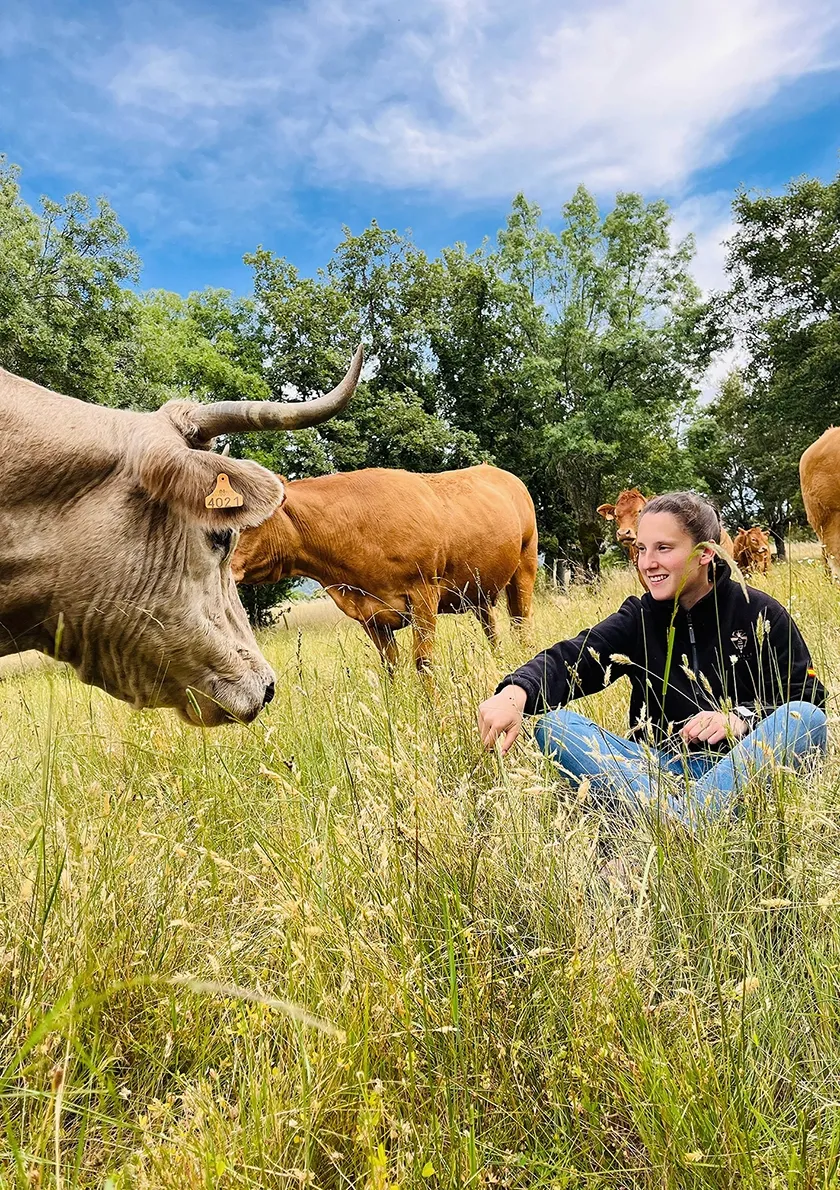
The story of Sorillo is that of two young entrepreneurs, Mónica and Roberto, who one day decided to share their love of the countryside, beekeeping and livestock farming with others. A project that seeks to promote sustainable beekeeping and livestock farming practices, encourage rural tourism and promote the principles of the circular economy. The types of honey produced in Sorillo range from the more traditional, such as wildflower, oak and forest honey, to more innovative varieties such as honey with walnuts, truffles or pistachios. And if you sign up to be a beekeeper for a day you can taste the honey straight from the honeycomb.
What experiences do Roberto and Mónica have to offer? Guided tours to get to know the bees and observe their work in the hive, always protected by a full beekeeper’s suit. Taste local produce in the heart of the countryside, as well as typical local products, and visit the honey bottling plant where you can take these delicacies home with you. All this is rounded off with guided visits to the extensive cattle farm in the Salamanca pasturelands, where we can enjoy the company of the animals and feed them.
After the honey tasting, we travelled to San Esteban de la Sierra where Vínculo Serrano Bodega y Viñedos and Jamones Parra López awaited us. Pedro Martín awaits our arrival at the entrance to the village, in one of the vineyards he has in San Esteban de la Sierra, where centuries-old vines coexist with newer ones. With a cultivation model characterised by the minimum possible intervention and a total absence of herbicides and pesticides, the predominant grape is Rufete, complemented by other varieties such as Rufete Blanca, Tempranillo and Garnacha Tinta. All these factors result in fresh, light and elegant wines that identify with the climate, the variety and the soil from which they come. Before leaving the vineyard, don’t miss the majestic thousand-year-old olive tree on the other side of the road, included by the Tormes Foundation in one of the two routes it has designed under the name of Living Cathedrals, which take in the most impressive trees in the province.
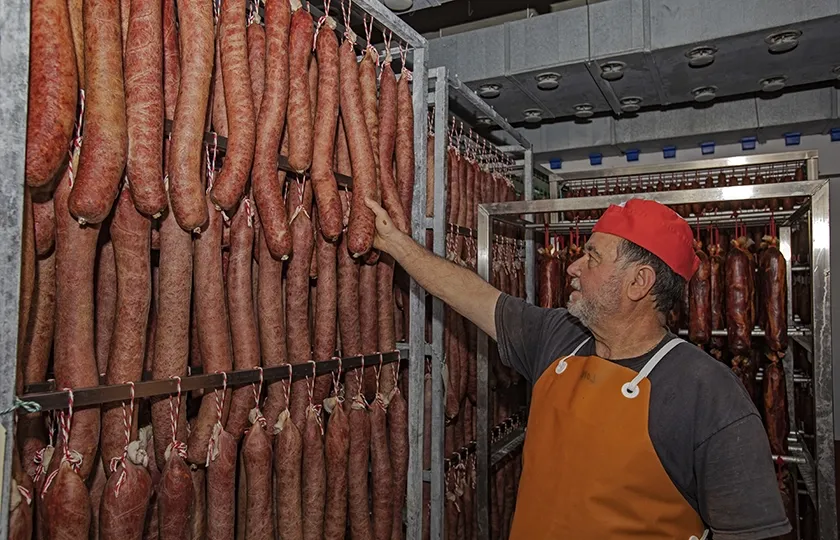
Before heading to Pedro Martín’s family winery for a tasting of some of his wines, we stop at Jamones Parra López to see how the Iberian hams and sausages that will accompany the Vínculo Serrano wines are made. For over thirty years, Jamones Parra López has maintained a serious commitment to quality, tradition and innovation. It is the story of a family, lovers of the products of their land, who decided to put their knowledge and their love of artisan foods at the service of everyone, creating a company that would stand out for the flavour and quality of its products.
San Esteban de la Sierra is perhaps the best place to experience the ancient tradition of wine through the Cave Winery Route, which has more than one hundred wine presses carved into the granite rock. A curiosity that can be seen when walking through the streets of the village is the decoration of the electricity meter covers with drawings and interpretations of the traditional popular embroidery of the mountains, declared an Asset of Cultural Interest by the Regional Government of Castile-León.
As the sky becomes increasingly clearer, morning advances and lunchtime approaches. Our hosts take us to the restaurant El Pipero, an establishment with more than four decades of experience offering traditional seasonal cuisine.
After lunch we headed for Santibañez de la Sierra, specifically to one of the vineyards of Rochal Bodegas y Viñedos, cultivated on terraces and with incredible views of a deep valley. Rochal is a family winery with a passion for the art of winemaking. They believe that each bottle tells a story, not only about the grapes and the wine, but also about all the processes involved in its production. Rochal’s wines are accompanied by Iberian products from El Valle, a family business that has been dedicated for generations to the traditional rearing of the Lampiño and Entrepelada breeds of pig, with which they make products with good fat infiltration, good texture and excellent flavour.
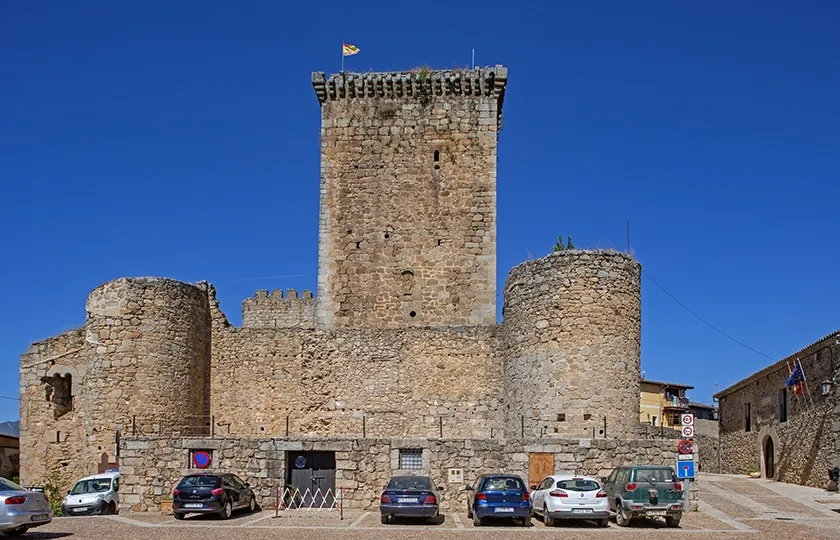
The sun begins to set and we resist leaving this place which at this time of day has become a little more magical, but we must continue on our way, as the historical site of Miranda del Castañar awaits us. This town, considered one of the prettiest in Spain, welcomes us with its magnificent castle built in the 14th and 15th centuries. Although I already knew the town, I have to say that this visit was a new experience for me, as I had never travelled through the historic centre at night. We go through the San Gines gate and walk along its cobbled, steep and narrow streets, admiring its numerous beautiful historical heritage sites: the Alhóndiga (corn exchange), the parish church, the bell tower, the house of the notary, the hermitages of Cristo del Humilladero and Virgen de la Cuesta and we don’t miss a single detail of the innumerable coats of arms that adorn the noble houses. The visit to the village ends at the La Muralla Winery & Museum, which preserves the original appearance and structure of the 18th-century winery. As well as being a museum, this space offers wine tastings of the Sierra de Salamanca D.O.P. and presentations of typical local products.
We put the finishing touch to this intense day with an appetising dinner at the Taberna Aldaba, a small but cosy gastronomic corner that offers a unique culinary experience thanks to its menu full of dishes that stand out for their quality.
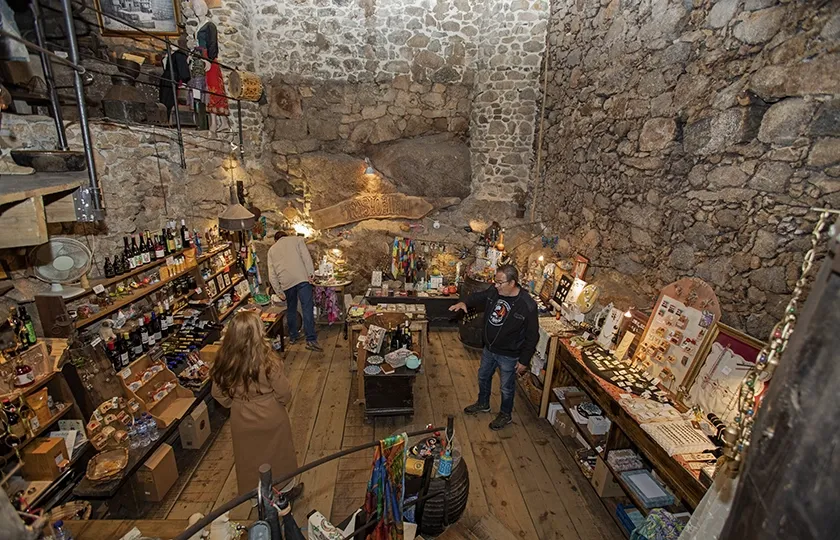
A meander, chestnut cream, another historical site and chestnut basketry
We tackle the last day of this complete experience and we start it by admiring one of the natural jewels of the route: the meander of the Melero. Drawn by the river Alagón as it passes between the provinces of Salamanca and Cáceres, it is a spectacular river feature that becomes an islet in times of heavy rain. There are various viewpoints from which to admire it and, although it is located in the province of Salamanca, the best place to do so is from the La Antigua viewpoint in the Extremaduran region of Las Hurdes. Nature on the Sierra de Francia Wine Route is generous and provides scenes that will remain in our memory for a long time, such as those provided by the Paths of Art in Nature that link historical sites or discover the beautiful corners formed by the Alagón river on the Paths of the Alagón which, among other landmarks, will bring us closer to the aforementioned Route of the Rock Wine Presses.
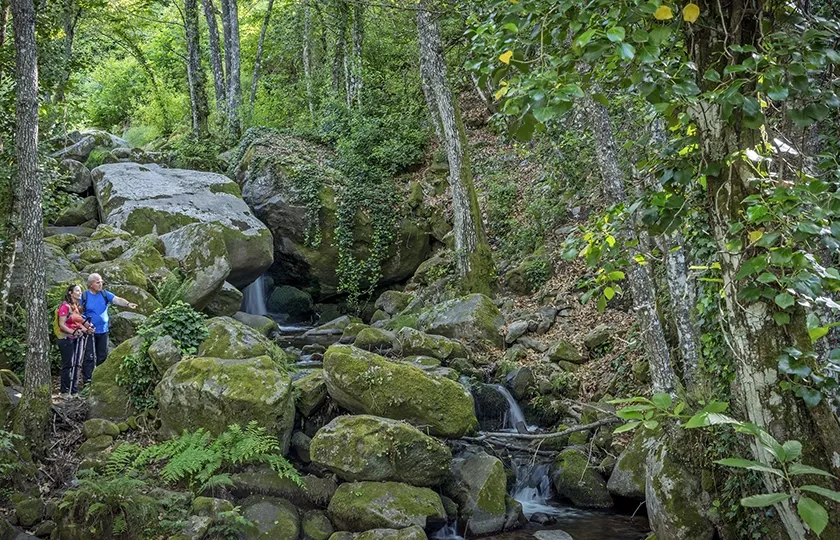
Leaving the Melero meander behind, we head for El Cerro to visit the chestnut cooperative El Cerro which, as well as selling fresh and dried (pilonga) chestnuts and chestnut flour, produces chestnut cream and chestnuts in syrup.
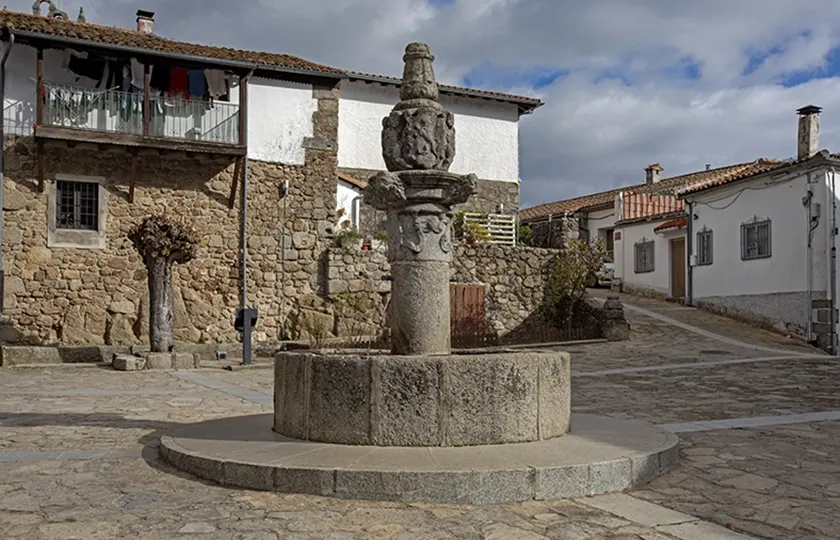
Our next and final stop is Montemayor del Río, one of the historic towns on the wine route. The medieval flavour of its streets and the beauty of its landscapes, with a spectacular blanket of chestnut trees covering nearby hillsides and valleys, are reason enough to visit. The bridge that crosses the river Cuerpo de Hombre, the jurisdictional column in the main square, now converted into a fountain, the parish church and the castle are the most important monuments in the town. Montemayor preserves a tradition of chestnut basket-making, the focus of the exhibition at the Chestnut Interpretation Centre. To better understand this intangible legacy, it is very interesting to visit one of the artisans who are still in the town: Cestería Luengo. David and Conchi, together with other artisans, keep alive this trade that they inherited from their family, which can be seen first hand in the workshop they have in the Plaza Mayor. As well as making traditional baskets, they also do decorative work and customised pieces to order. The quality and excellence of their products is such that they export to Japan.
The perfect end to these three incredible days could not have a better setting than the castle of Montemayor del Río and the restaurant it houses. A culinary surprise that revolves around a clear philosophy: to safeguard the region’s traditional gastronomic heritage, using local products and producers to reactivate the area’s economic, social and cultural activity.
We hope that your interest in discovering the Sierra de Francia Wine Route has been piqued. Although it may seem impossible, this is only a small part. There are many more villages to visit, many more landscapes to admire, many fiestas to enjoy and many experiences to have. The sustainable experiences of the wine route are adapted to all types of audiences, needs and tastes, and can last one or several days, for couples, families, groups of friends, luxury trips or as a gift. If you are interested in finding out more, be sure to visit their website.