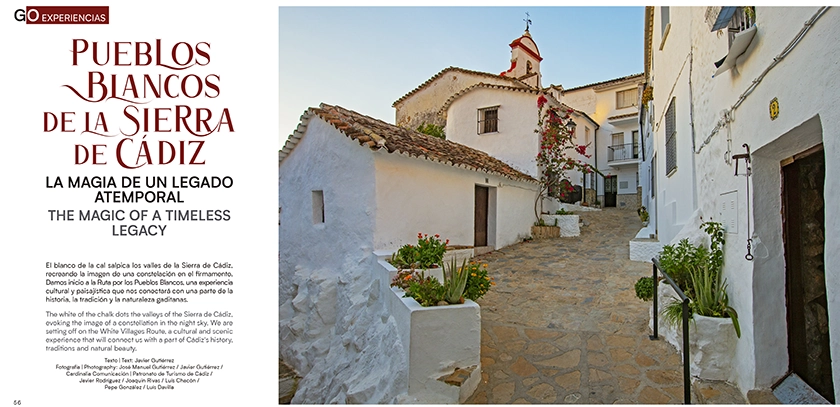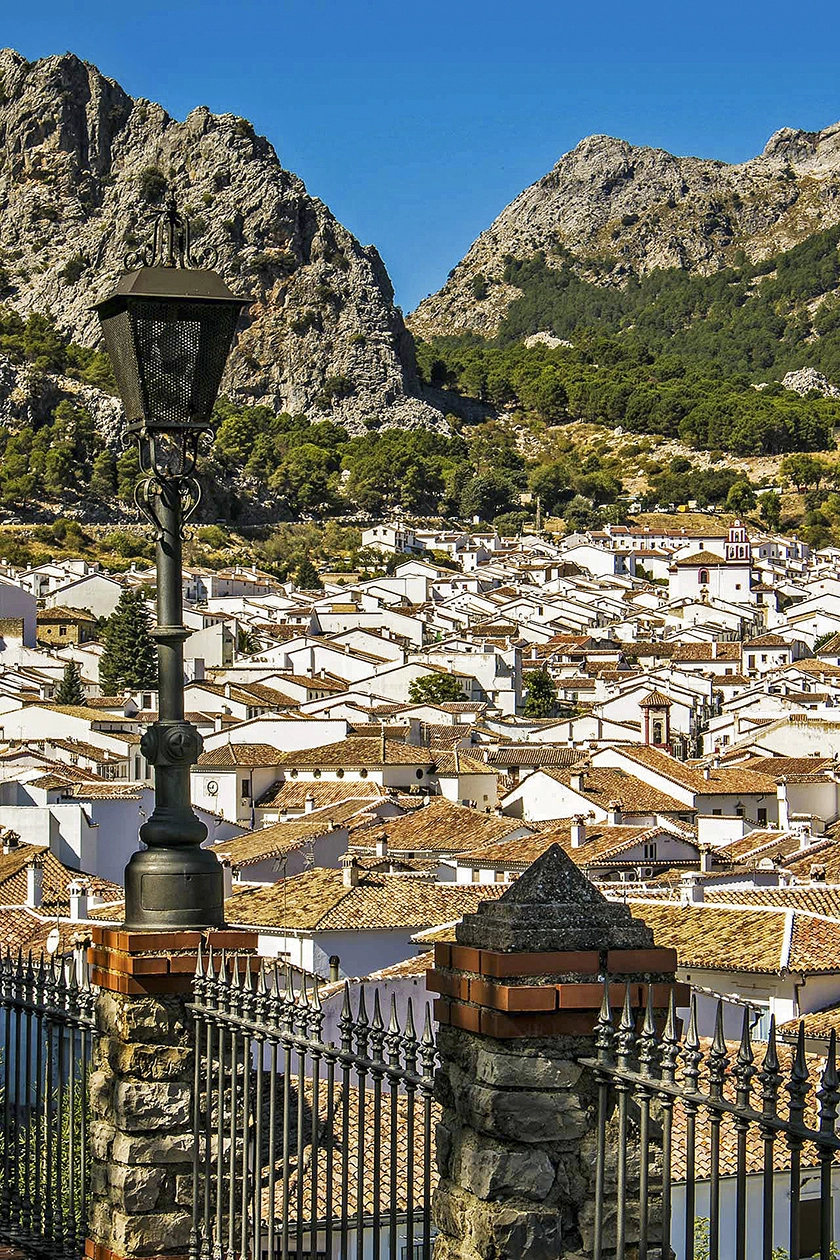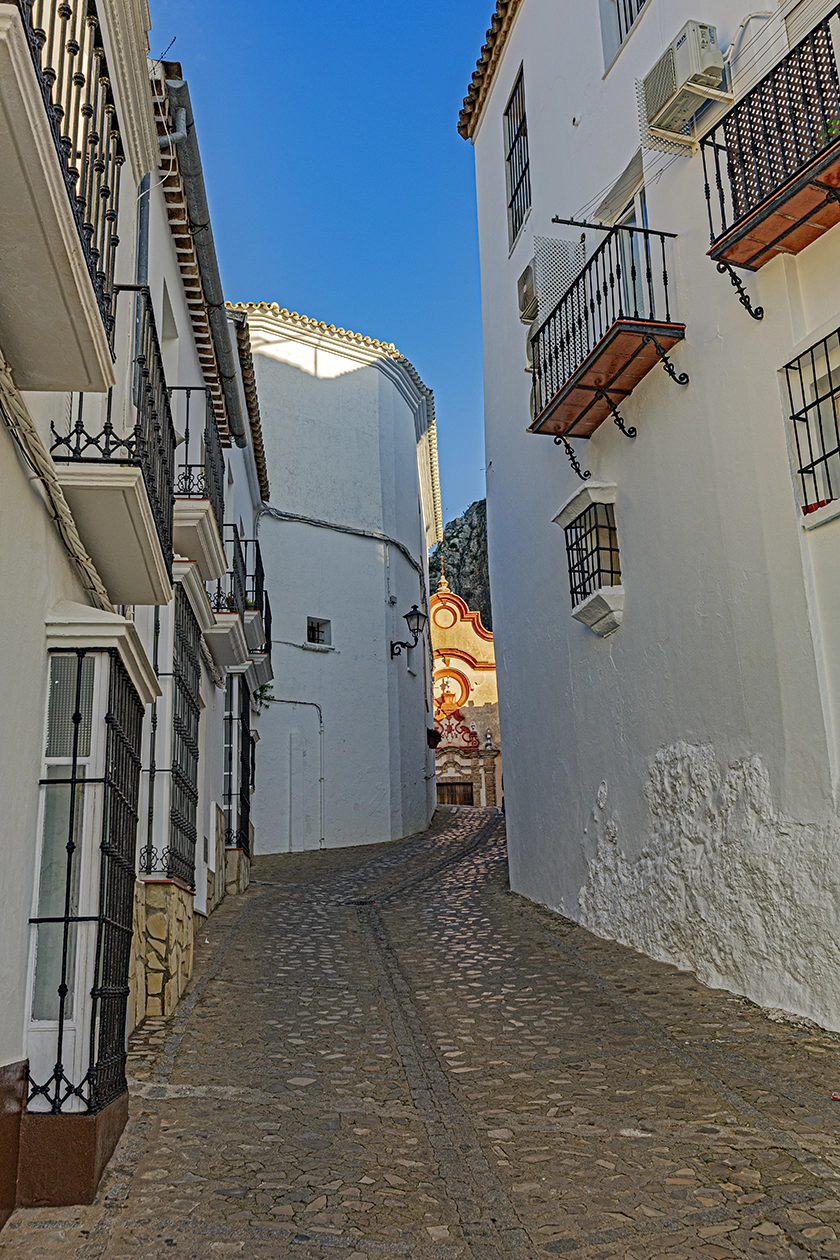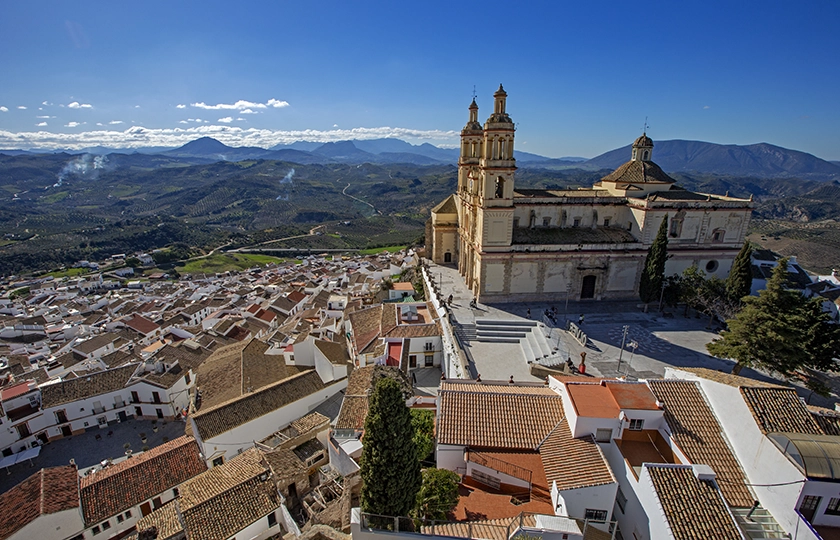
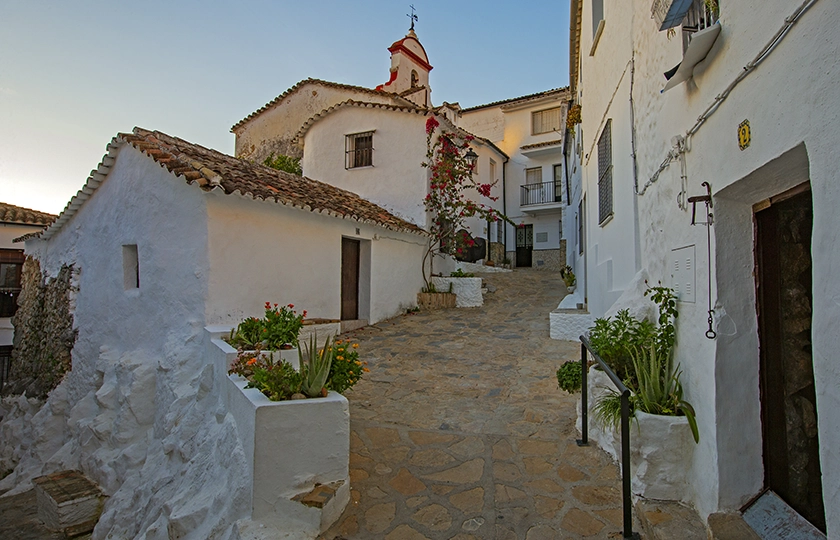
The white of the chalk dots the valleys of the Sierra de Cádiz, evoking the image of a constellation in the night sky. We are setting off on the White Villages Route, a cultural and scenic experience that will connect us with a part of Cádiz’s history, traditions and natural beauty.
The Sierra de Cádiz has been carved out by the whims of rain and wind, resulting in one of the most rugged mountain ranges in Andalusia. A natural landscape made all the more beautiful by its villages, whose streets preserve the truest essence of Andalusia and where the history and daily life of Al-Andalus still live on. An Arab heritage that is reflected in the layout of the streets, in the economy centred on olive oil production, in the traditional craftsmanship of leather goods, and in the sweet recipes of Al-Andalus. This is also evident in the names of the villages: Benamahoma – ‘sons of Mahoma’ –, Alcalá – ‘the castle’ –, Algar – ‘the cave’ – or Zahara – ‘the fortress’ –.
All of them are situated in an area that is home to some of the country’s most beautiful spots, such as the gorges of Salto del Cabrero and El Saltadero, and imposing canyons like the Garganta Seca and the Garganta Verde. A beautiful land that is home to forests of various kinds, most notably the Benamahoma Spanish fir forest.
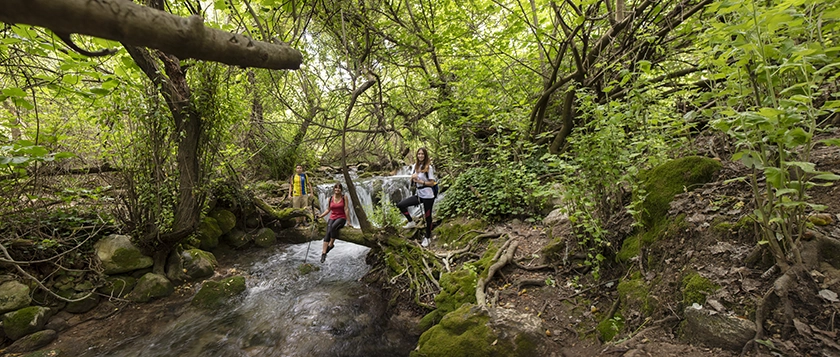
A few months ago, some of these white villages were hit by one of the worst weather-related disasters this country has ever experienced. Overnight, the residents of Grazalema were forced to leave their homes. With just a few belongings and heavy hearts, they left their beloved village, unsure when they might return or what they would find on their return. Meanwhile, the residents of Ubrique were building makeshift barriers in the streets to divert the water and prevent it from entering their homes and destroying everything.
Given everything these people have been through, we hope this article serves as a modest yet well-deserved tribute to them all. Now that the good weather is finally here, we invite you to show them our full support and solidarity by choosing them as your holiday destination and giving generously of your time to help with their recovery.
From Arcos de la Frontera to El Bosque
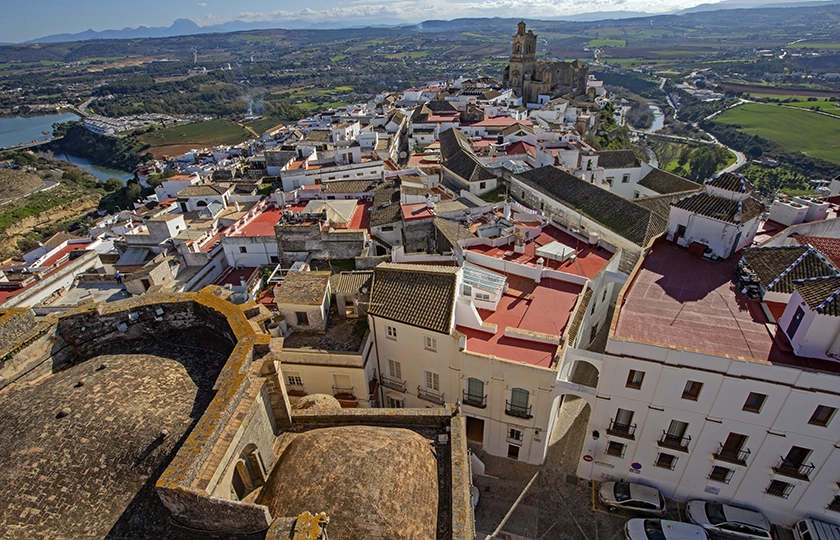
A land of legendary bandits, some of whom are linked to the villages we are about to visit, we begin this journey in Arcos de la Frontera, the gateway to the route through the western part of the province.
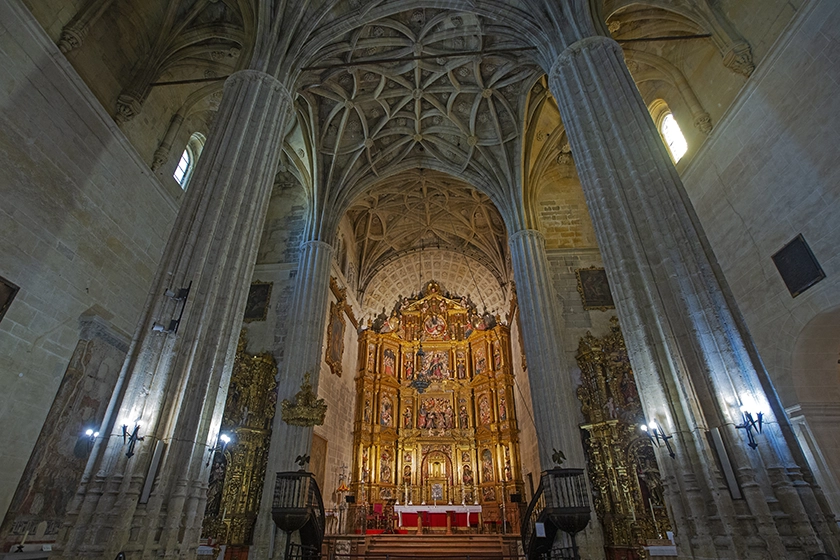
As well as being one of the most beautiful towns in Spain and a designated historic site, Arcos is best enjoyed at a leisurely pace, letting time pass as it will. Its narrow, steep streets wind their way through ancient arches, leading us to the Dukes’ Castle, the Matrera Gate, and a host of palaces, stately homes and churches.
Its Holy Week celebrations deserve a special mention. Declared a Festival of National Tourist Interest due to the quality of its religious images and traditions, its intimate atmosphere is further enhanced by the historic surroundings through which the processions pass.
Sampling the local cuisine, picking up a souvenir and rounding off the day at one of the flamenco venues are all excellent ways to make your visit truly unforgettable.
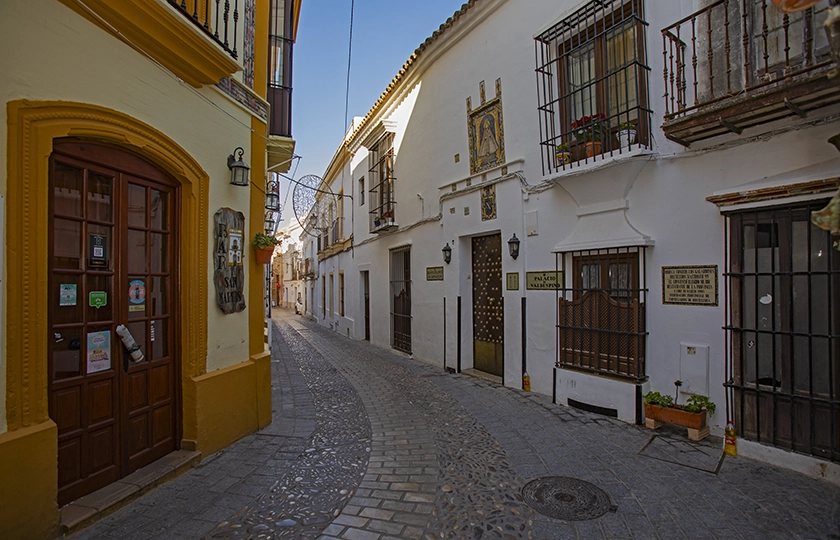
We left Arcos late in the afternoon, and just as the evening light was beginning to bathe the landscape, we arrived at the Carisa Aurelia archaeological site. Bathed in the reddish hues of the most magical moment of the day, we discover the walls of this ancient city, which marked the transition from Iberian to Roman culture and is notable for its necropolis, its walled enclosure and the archaeological space dedicated to the Iberian-Roman funerary world. Carissa Aurelia is situated between the towns of Espera and Bornos.
At the crack of dawn, we set off for Grazalema, another of the route’s highlights.
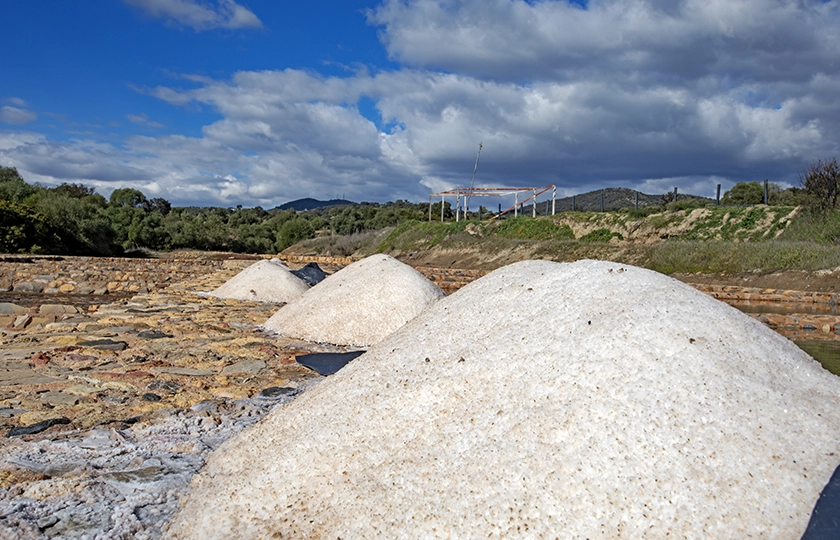
On the way to the village that gives its name to the Sierra de Grazalema, we passed through three villages where we stopped briefly. In Villamartín, where the Alberite dolmen—dating back more than six thousand years—stands out, we admire the religious buildings and stately homes that adorn and enrich its streets. In Prado del Rey, we visited the salt flats, which were once worked by the Phoenicians and are still in operation today. In El Bosque, we were greeted by the sound of water flowing from its fountains and the scent of the flowers that adorn its streets.
From Grazalema to Benaocáz
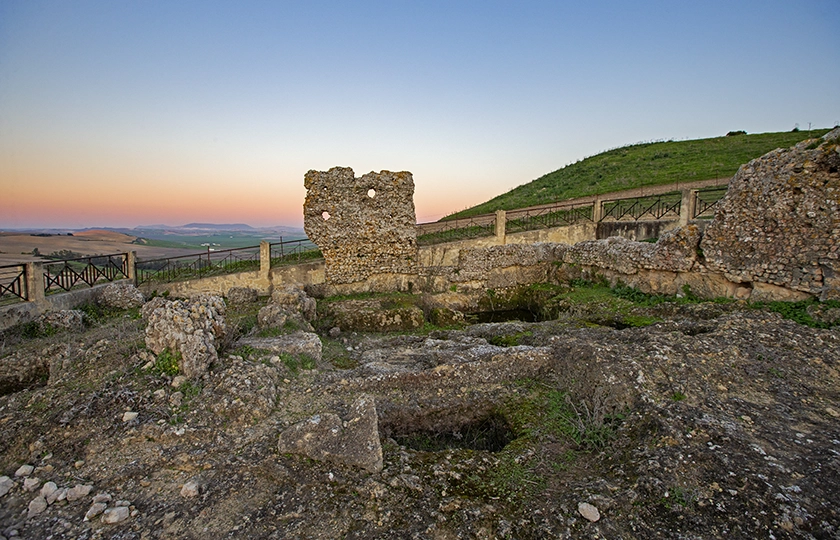
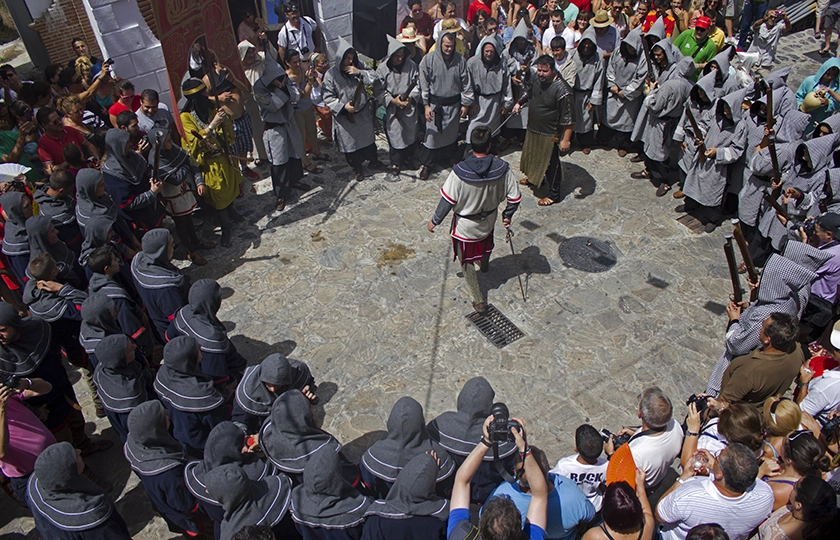
The “romance” between Grazalema and the bandits is brought to life every year in this village with the “Blood and Love in the Mountains” festival, a historical re-enactment centred on the most famous bandit of all, José María “El Tempranillo”, and María Jerónima Francés, with whom he shared a passionate and tragic love story.
A tradition of craftsmanship, rural charm and a stunning natural setting are the hallmarks of this picturesque and distinctive Andalusian village, where the passage of Romans, Berbers and Christians has left a lasting mark on its layout. Designated a Historic Site, its typical Andalusian architecture blends with its wealth of monuments. To the sound of water trickling from the fountains, we wander through the narrow, cobbled streets, adorned with colourful flowers that fill the air with pleasant scents from the windows of whitewashed houses. Beautiful streets that lead us to the squares where the town’s greatest heritage treasures are found: the churches of La Encarnación, La Aurora and San José, as well as the Plaza de España, the heart of the town of Grazalema, dominated by the Town Hall.
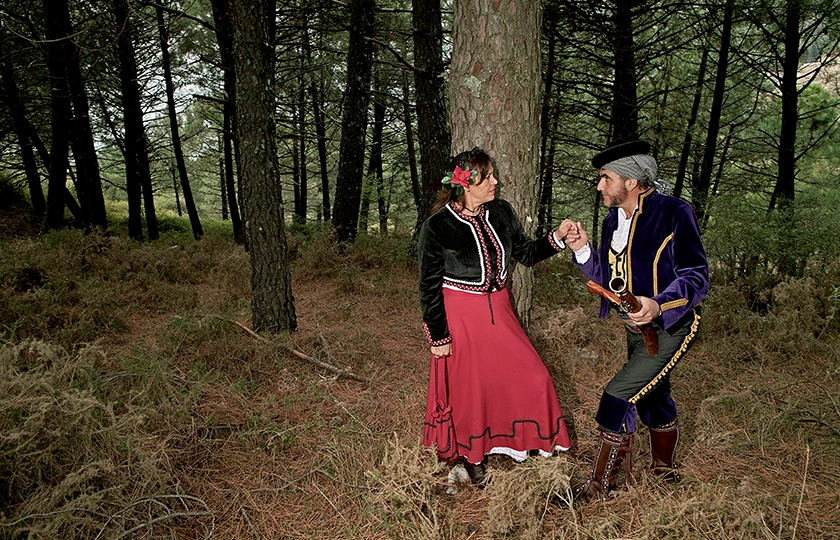
We arrived at Benamahoma, which glides gently down the mountainside. The streets and squares of this district of Grazalema bear clear traces of Islamic influence, which is also evident in the traditional Moors and Christians festival and in the Cardela fortress, also known as Fátima Castle.
The gateway to the Spanish fir forest mentioned earlier, one of the natural gems of the Sierra de Grazalema; nearby lie the Garganta Seca and the Garganta Verde, with their dizzying vertical cliffs.
Our next stop was Benaocaz, but first we stopped off at Villaluenga del Rosario. Like so many other villages along this route, it dates back to the Muslim period and also preserves the remains of a medieval track. It’s well worth stopping off briefly to explore its steep, narrow streets that seem to merge with the rocks, and to visit the oldest bullring in the province, which stands out for its unique polygonal shape.
Designated a Historic Site, in Benaocaz the atmosphere of its Arab past can be felt in the narrow streets of the Nasrid quarter. The typical white houses stand alongside 18th-century stately homes, Aznalmara Castle and various places of worship. And if you visit on 15 August, you’ll be able to experience the excitement of its fabulous Toro de la Cuerda.
From Ubrique to Torre Alháquime
We arrived in Ubrique, a historic town consisting of a network of houses and secluded streets on the slopes of the Tajo de Ubrique. Its historic centre retains all the charm of its medieval layout, with narrow streets, picturesque corners, beautiful squares featuring fountains and religious churches; and with the arrival of Holy Week, it takes on a special magic as the main processional statues of Ubrique’s religious brotherhoods and confraternities pass through.
Ubrique gained worldwide fame thanks to its leather craftsmanship, making the permanent exhibition “Hands and Magic in Leather” at the Capuchin Convent a must-see, where items related to the tradition and craft of leatherwork are on display.
The film industry also played a part in putting it on the map, as the bandit film “Las aventuras de Juan Jucas” was shot there in 1949, with locals from Ubrique appearing as extras and the Peñón de la Becerra serving as a prison.
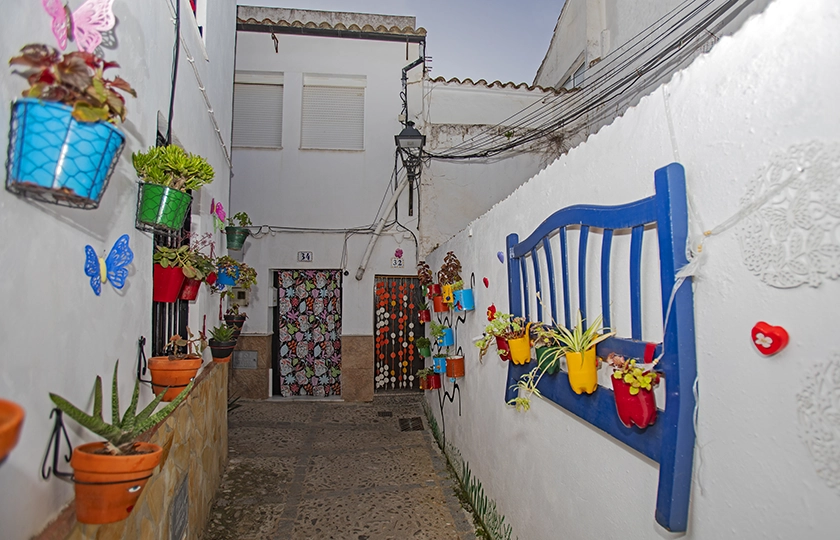
Following on from the Historic Towns, we head towards Zahara de la Sierra, a mountain town founded in the Muslim period which has preserved its characteristic Al-Andalus urban layout, as well as its castle and sections of the city walls. Narrow, steep streets, laid out in terraces following the slope of the hill, give shape to its charming old town, whose streetscape is home to such interesting monuments as the Church of Santa María de la Mesa, the Chapel of San Juan de Letrán, the Clock Tower and the Palominos Bridge.
Since 1483, during the Reconquista, Zahara has celebrated its most important festival, Corpus Christi. Designated a Festival of National Tourist Interest, during this time the streets are transformed into a veritable forest as the residents completely cover their façades with shrubs.
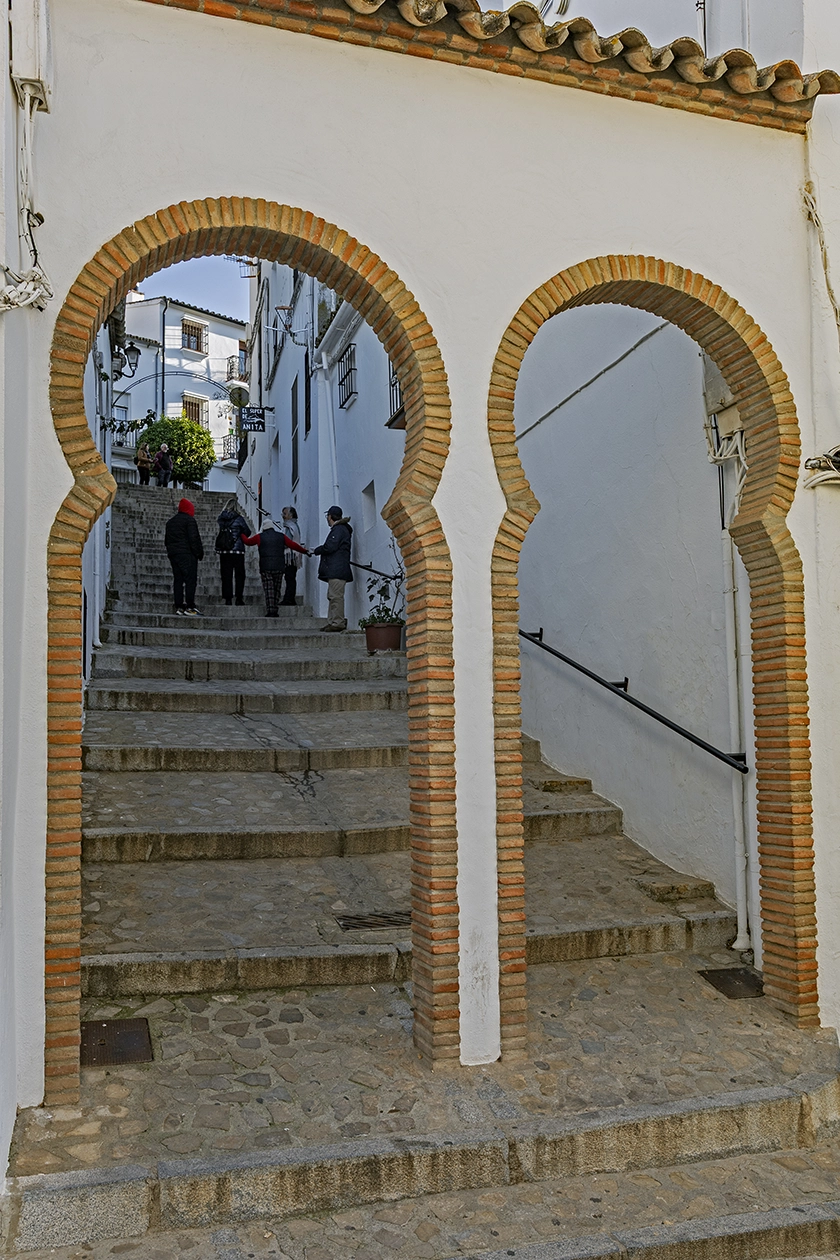
The gentle murmur of the water from its twelve fountains accompanies us on our stroll through Algodonales. A stroll through its charming old town is a real treat for the senses, which are thoroughly delighted by a visit to the Church of Santa Ana, with its Baroque façade and Neoclassical interior. We mustn’t leave Algodonales without visiting Valeriano Bernal’s guitar workshop, whose instruments have been chosen by artists of the calibre of Alejandro Sanz, Paco de Lucía and Tomatito.
We continue our journey through the Sierra de Cádiz on our way to Olvera, but first we visit El Gastor, a typical mountain village surrounded by significant megalithic monuments. As well as the town centre, it is well worth visiting the Hermanos Palomino oil mill and the Museum of Local Customs and Traditions, dedicated to José María ‘El Tempranillo’. On the other hand, Torre Alháquime or the Torre de Alfaquín was an important stronghold on the border between the Kingdom of Granada and Castile. Amidst its labyrinthine streets lie the Arco de la Villa, one of the gates of the old walled enclosure, and the parish church of Nuestra Señora de la Antigua, which houses a painting of “Las Ánimas” attributed to Murillo. The birthplace of the famous bandit José María “El Tempranillo”, the village experiences one of its most moving moments on Easter Sunday with the Carrerita de San Juan.
From Olvera to Setenil de las Bodegas
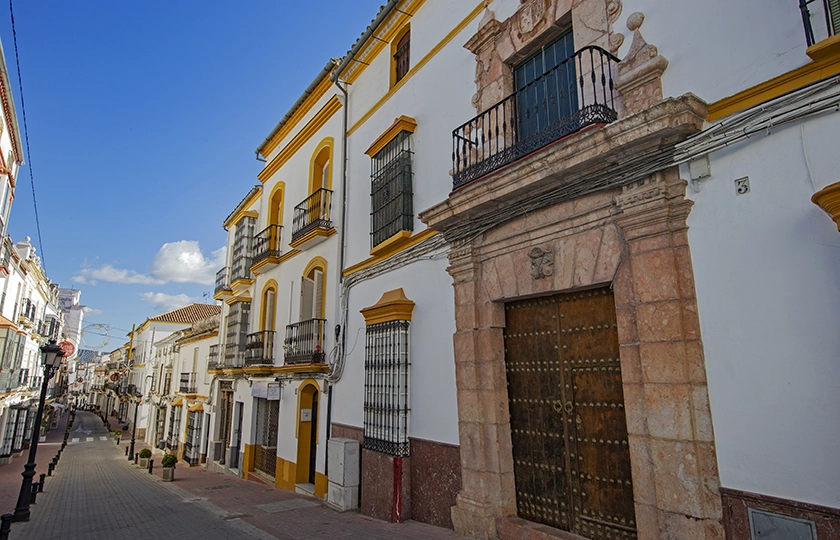
Described by some as a “paradise in the heart of the Pueblos Blancos”, in Olvera we discover how the Al-Andalus heritage, traditional architecture and the beauty of its monumental buildings, with their stately, palatial façades, blend together with absolute elegance. Amidst the olive groves, its whitewashed houses and narrow streets wind their way capriciously down the slope, and our stroll is accompanied by the delightful scent of the plants adorning the façades. The Villa district, alongside the church square and the castle, formed the Arab medina, and it is here that we were able to admire the most significant vestiges of that past: the Torre del Pan and the Torre de los Olivillos. The Church of the Archpriest, a monumental Neoclassical building, and the Moorish fortress, a defensive stronghold of the Nasrid Kingdom of Granada, are two of the city’s most important monuments.
The route is drawing to a close, but before visiting Setenil de las Bodegas, we’ll stop off at Alcalá del Valle, a small village founded in the 15th century by Moorish families who had come from Setenil de las Bodegas. Its streets, adorned with fine examples of traditional architecture and flower-filled balconies, retain all the charm of their Arab origins. Also of note are the Tomillo dolmens, a megalithic site unique in the province.
We arrived in Setenil de las Bodegas, where the village was buzzing with its usual lively atmosphere – it is, after all, one of the most famous and visited villages in the province. To add to the excitement, the patron saint’s festivities in honour of St John the Baptist were in full swing, so the streets were absolutely packed.
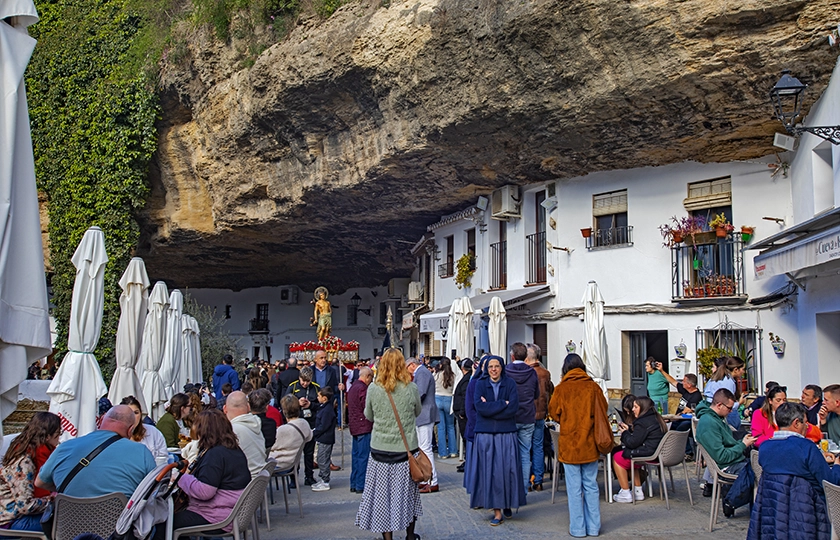
No one is better suited than the poet Gerardo Diego to describe the village: “Setenil de las Bodegas, where the sky is made of rock, and the silence is like a dream carved by a chisel”. Once you visit Setenil, you’ll understand why it’s so popular with tourists, as it’s one of the most unique villages in the mountains of Cadiz. Whilst white is the characteristic colour in the other villages we have visited, in Setenil it is the ochre hue of the stone. Nestled in the Guadalporcún river valley, which has shaped its urban layout in such a whimsical way, the town’s rich artistic heritage, the rustic beauty of its traditional architecture and the unique character of its cave-like streets combine to give it a charm that is both special and universal. Cuevas del Sol and the neighbouring Cuevas de la Sombra; Jabonerías and Cabrerizas, both the setting for the adventures of real and fictional bandits; Calcetas, Calañas and Herrería are some of the prettiest streets in Andalusia. And towering over the village from the heights, the medieval fortress, of which the keep and the cistern remain.
You might be interested in: A White Village known as “the city of poets”